







































































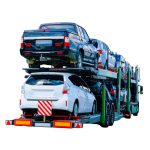



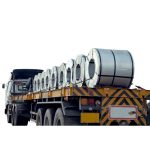













When it comes to transporting heavy loads safely and legally, most operators focus on securing the load, and rightly so. But there’s another critical factor that plays a huge role in both road safety and vehicle compliance: load distribution and axle weight limits. Get this wrong, and you risk damaging your equipment, breaching NHVR regulations, and putting yourself and others on the road in danger.
Let’s unpack why it matters.
What Is Load Distribution?
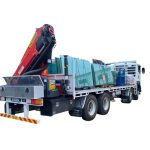
Load distribution is all about how the total weight of your cargo is spread across your truck, trailer, and axle groups. Even if a load is properly restrained, poor weight distribution can lead to:
- Excessive stress on individual axles
- Increased braking distances
- Reduced vehicle stability
- Higher risk of rollover or jack-knife incidents
- Premature wear on tyres, suspension, and brakes
That’s why it’s not just about how much weight you’re carrying, it’s about where and how that weight sits on your vehicle.
Axle Weight Compliance: It’s the Law
The National Heavy Vehicle Regulator (NHVR) enforces strict axle weight limits to protect roads, bridges, and other road users. Each axle group — whether it’s a single, tandem, or tri-axle setup — has a maximum weight it can legally carry. Exceeding these limits isn’t just a minor mistake; it can lead to heavy fines, vehicle impoundment, or worse, a serious accident.
A load may be under your Gross Vehicle Mass (GVM) but still be illegal (and dangerous) if too much weight sits on one axle group. Find more information on the NHVR website.
Common Load Distribution Mistakes
Even experienced drivers and operators fall into these traps:
- Loading heavy items too far forward or too far back
- Not compensating for uneven load shapes or densities
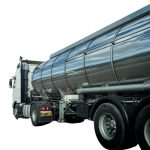
- Forgetting that liquids, bulk, or loose materials can shift during transit
- Relying on restraint equipment alone without considering balance
Practical Tips for Correct Load Distribution
- Know your axle weight limits — check your vehicle’s compliance plate and NHVR guidelines.
- Place heavier items centrally — and as close to the axle groups as possible.
- Distribute weight evenly side to side — uneven side loading affects cornering and stability.
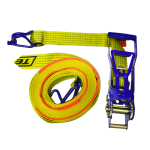
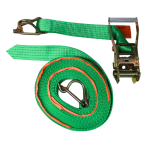
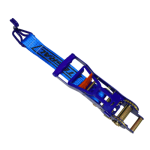
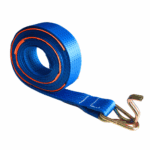
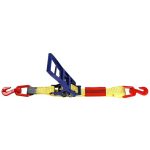
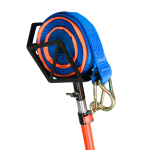
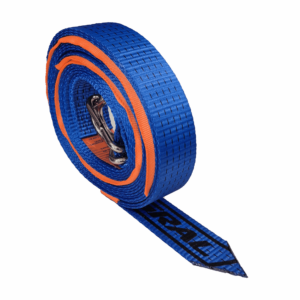
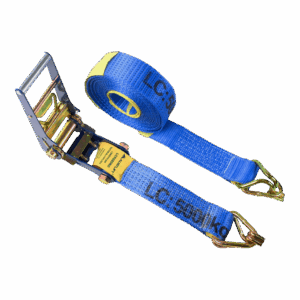
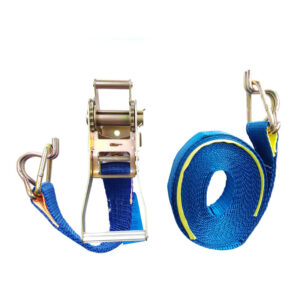
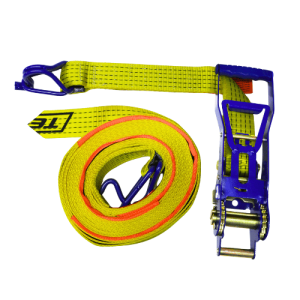
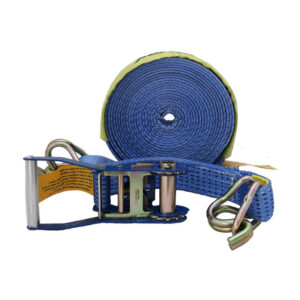
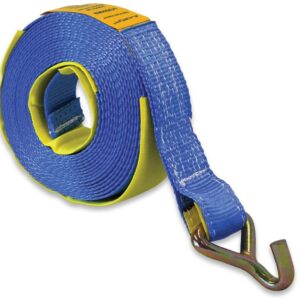
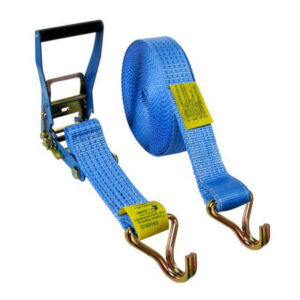
- Use restraint systems designed for variable loads — such as Tegral’s adjustable winch straps, ratchet tie downs, and V-Lash straps.
- Check axle group weights at a weighbridge before departure if you’re unsure.
- Factor in load shift potential — particularly with liquids, bulk materials, or round items.
How Tegral Helps You Stay Compliant
At Tegral, we don’t just sell load restraint gear — we help make Australian transport safer and more efficient. Our range of high-strength, easy-to-use load restraint products ensures your cargo stays in place, exactly where you need it. Give us a call if you’re worried about load shift.
You May Also Be Interested In
2025 Brisbane Truck Show Highlights
What does Line Haul mean in Trucking?
Check out Our Youtube Channel
Products
100mm x 100mm x 2400mm E-Dunnage Timber

10L Chain Bucket
