















































































































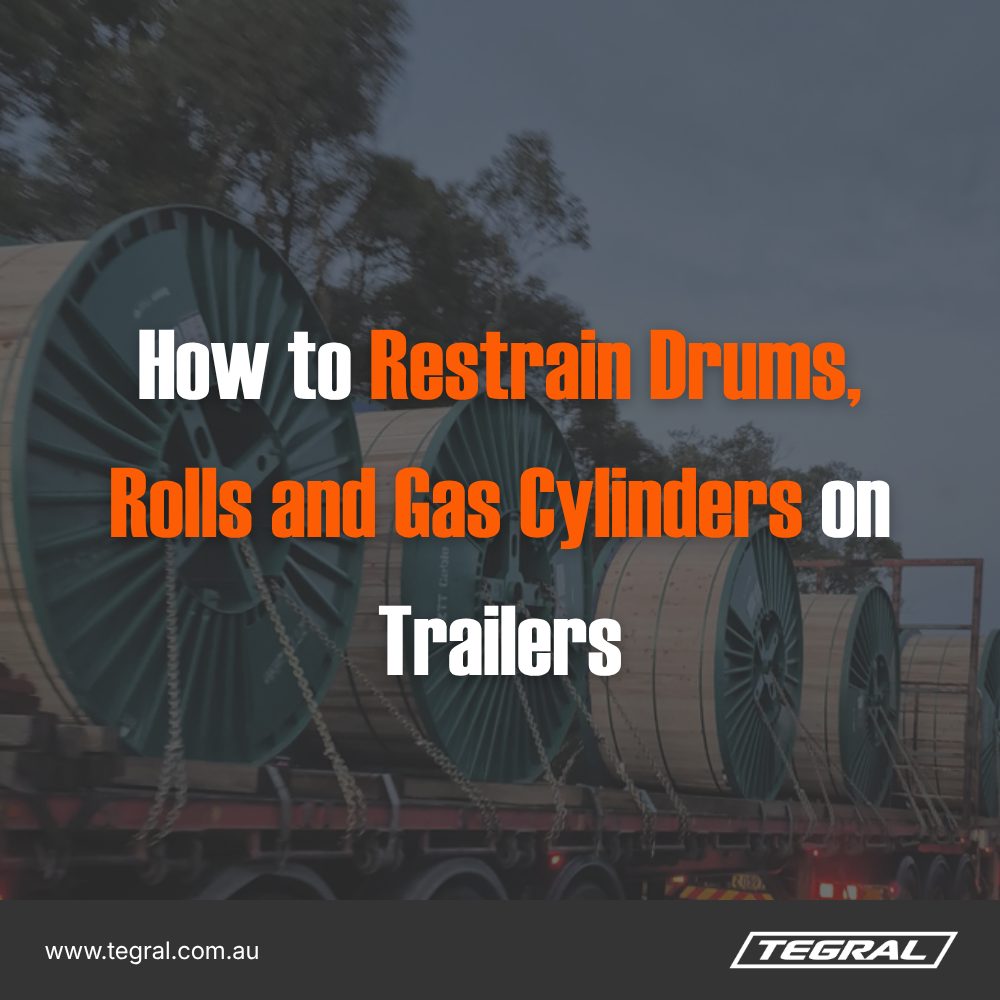
How to Restrain Drums, Rolls and Gas Cylinders on Trailers
Drums, rolls, reels, coils and gas cylinders can do two things flat freight can’t: roll and topple. Restraining them well comes down to two things: using the right gear, and making sure tall items can’t tip over even when they’re lashed. The national Load Restraint Guide 2025 calls these loads …
Read More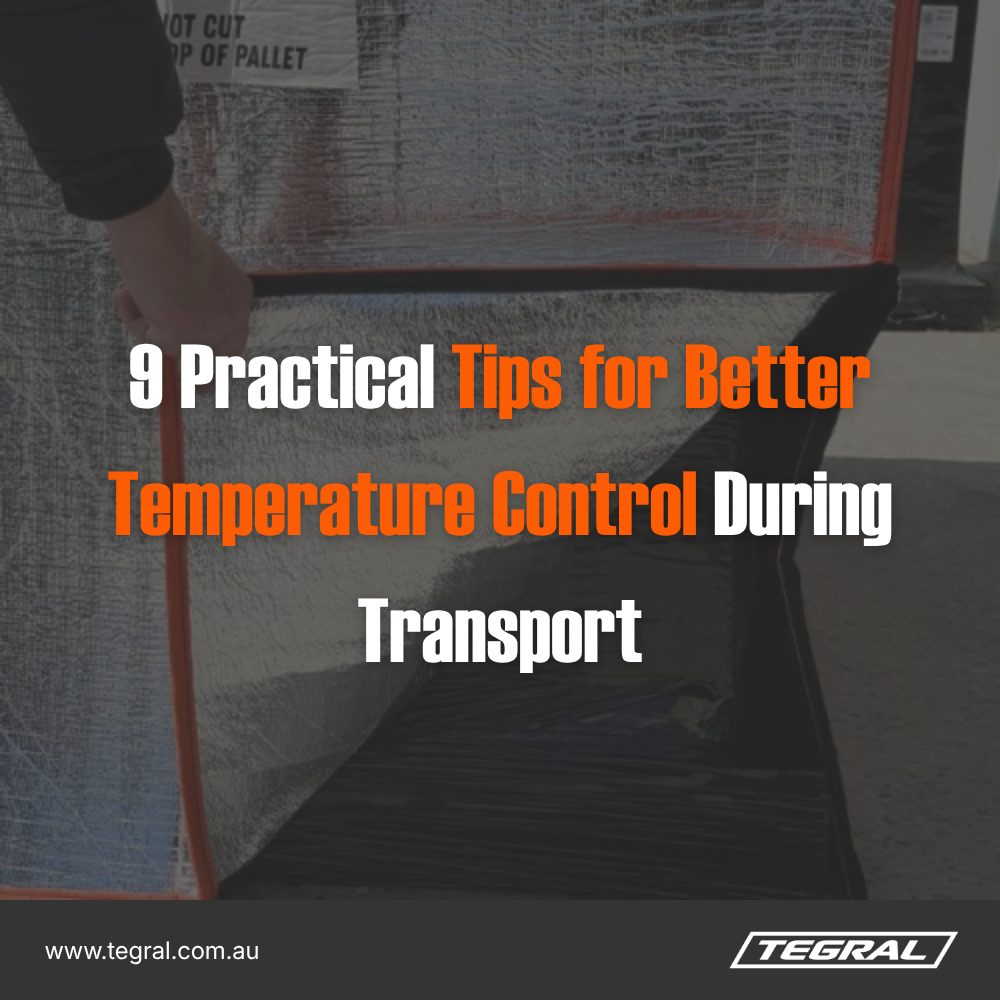
9 Practical Tips for Better Temperature Control During Transport
Maintaining the correct cargo temperature is not only about having a refrigerated truck. Temperature-sensitive freight can be exposed to unwanted heat gain or temperature loss while it is waiting in the yard, being loaded, travelling between depots or being delivered to the customer. A few practical changes to the way …
Read More
Trucking Industry Gets a Stronger Voice in National Freight Policy
The Australian trucking industry will have a more direct role in shaping national freight policy following the creation of a dedicated Heavy Vehicle Subcommittee by the Federal Government. The new group will provide specialist advice on road transport priorities and assist with the implementation of the National Freight and Supply …
Read More
$550 Million Boost Brings Total Western Freeway Funding to $1.55 Billion
Good news for operators running routes through Melbourne’s outer west: the Victorian Government has committed an additional $550 million to the Western Freeway upgrade between Melton and Caroline Springs, on top of the Federal Government’s existing $1 billion pledge. That brings total funding for the project to $1.55 billion. What’s …
Read More
Trucking Industry Calls for 30-Day Payment Terms
The Australian Trucking Association (ATA) is calling for a maximum 30-day payment term for trucking invoices as the Fair Work Commission considers a proposed road transport contractual chain order. The ATA says the change would give operators more certainty around cash flow and prevent businesses from being left waiting extended …
Read More
How Tegral Helps Transport Managers Hit Their Sustainability Goals
Sustainability is becoming a bigger focus across the transport industry. For transport managers, the challenge is finding practical ways to reduce waste and improve efficiency without compromising safety, performance or day-to-day operations. At Tegral, we believe sustainability does not always need to come from big, complicated changes. Sometimes, it comes …
Read More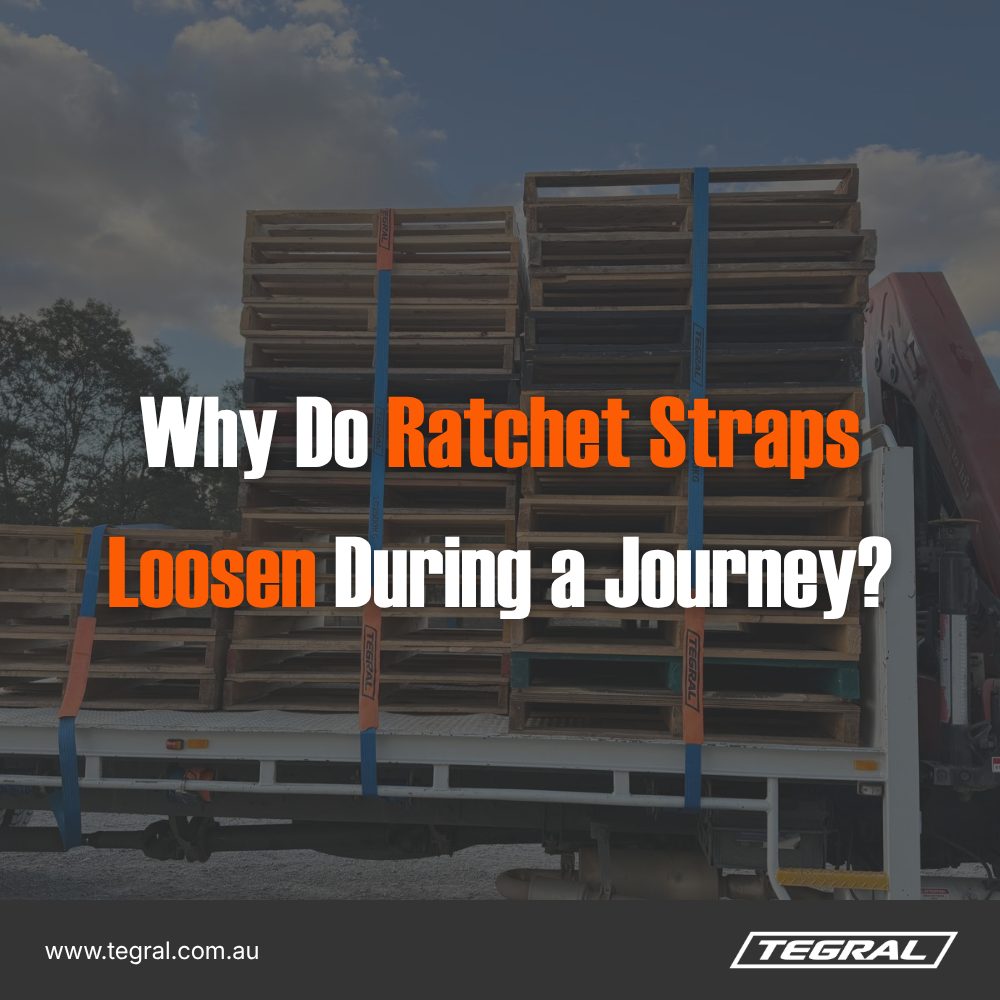
Why Do Ratchet Straps Loosen During a Journey?
You tighten your ratchet straps before leaving the yard, check the load and everything feels secure. A few hours down the road, you stop for a check — and suddenly one or more of the straps aren’t as tight as they were. So, what happened? A ratchet strap becoming loose …
Read More
Single-Use vs Reusable Lifting Slings: Which One Does Your Job Need?
If you’re lifting loads on a regular basis, chances are you’ve had to choose between a single-use sling and a reusable one. They look similar at a glance — both are flexible assemblies used to lift loads — but they’re built for very different jobs. Picking the wrong one can …
Read More
How to Prevent Container Rain: A Guide to Shipping Container Desiccants
If you’ve ever opened a shipping container after weeks at sea to find cargo covered in water droplets, mould, or rust, you’ve met container rain — and you’ve learned the hard way why desiccants belong in every load. What Is Container Rain? Container rain (also called cargo sweat) happens because …
Read More
Direct Restraint vs Friction Restraint: Which Method Suits Your Load?
Every load restraint system relies on one of two core methods — or a combination of both — to keep freight secure on a heavy vehicle: direct restraint and friction restraint. Understanding the difference isn’t just a compliance exercise, it’s the foundation of getting your loading plan right the first …
Read More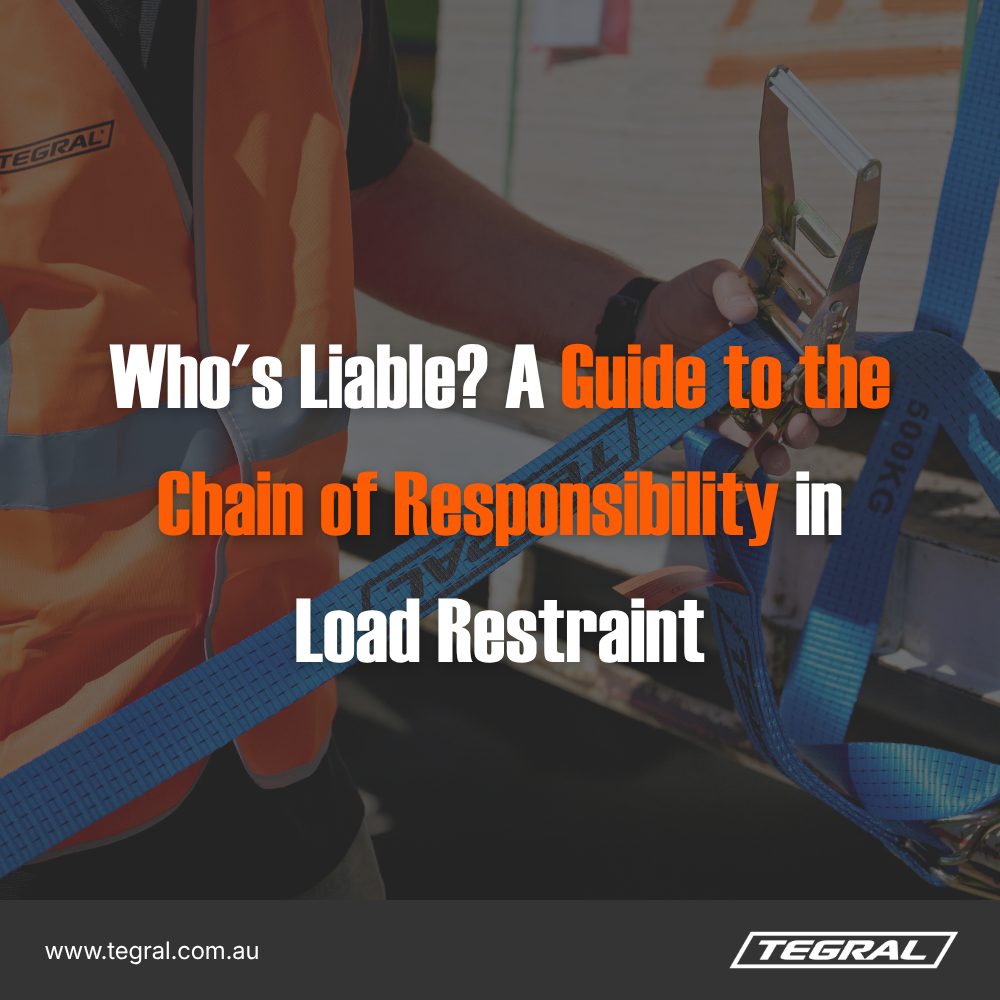
Who’s Liable? A Guide to the Chain of Responsibility in Load Restraint
If you’ve ever assumed that load restraint is “the driver’s job,” it’s time for a rethink. Under Australia’s Heavy Vehicle National Law (HVNL), responsibility for a safely restrained load doesn’t sit with one person — it’s shared across everyone who has a hand in getting that load onto the truck …
Read More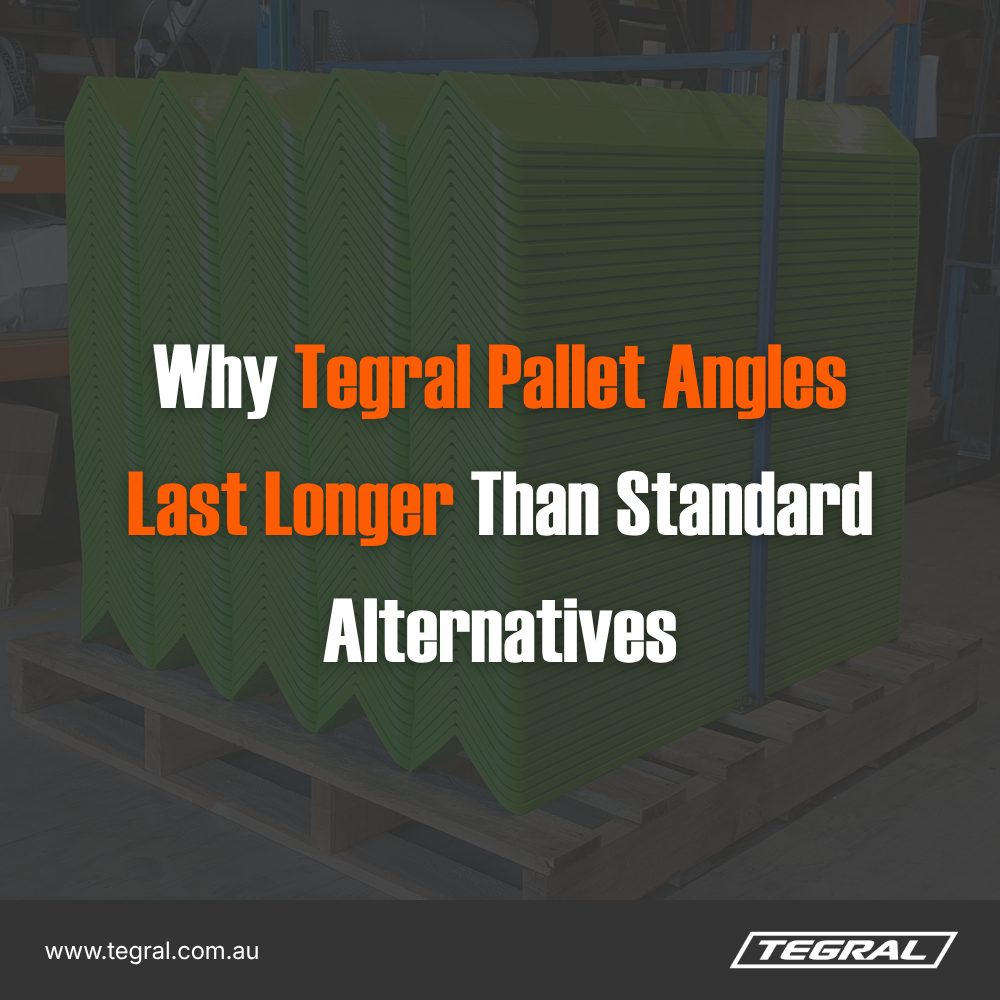
Why Tegral Pallet Angles Last Longer Than Standard Alternatives
In transport, small pieces of equipment can make a big difference. Pallet angles may not be the biggest item in a fleet’s load restraint setup, but they play an important role in protecting freight, protecting straps and helping drivers restrain loads more effectively. The problem is, not all pallet angles …
Read More
Checklist for August 1 HVNL Changes
The updated Heavy Vehicle National Law has come into effect as of 1 August 2026, and the NHVR has confirmed there’s no grace period once it lands. If you run vehicles over 4.5 tonnes, it’s a good time to check you’re up to date. Here’s a quick checklist to work …
Read More
$7.2 Million Safety Upgrade Set for Hume Highway
Safety and maintenance works are set to begin on another section of the Hume Highway, with the NSW Government investing $7.2 million to improve conditions for motorists and freight operators travelling through Berremangra. The works will focus on a key stretch of the northbound carriageway between Bogolara Road and Cobbler …
Read MoreProducts
100mm x 100mm x 2400mm E-Dunnage Timber
