






















































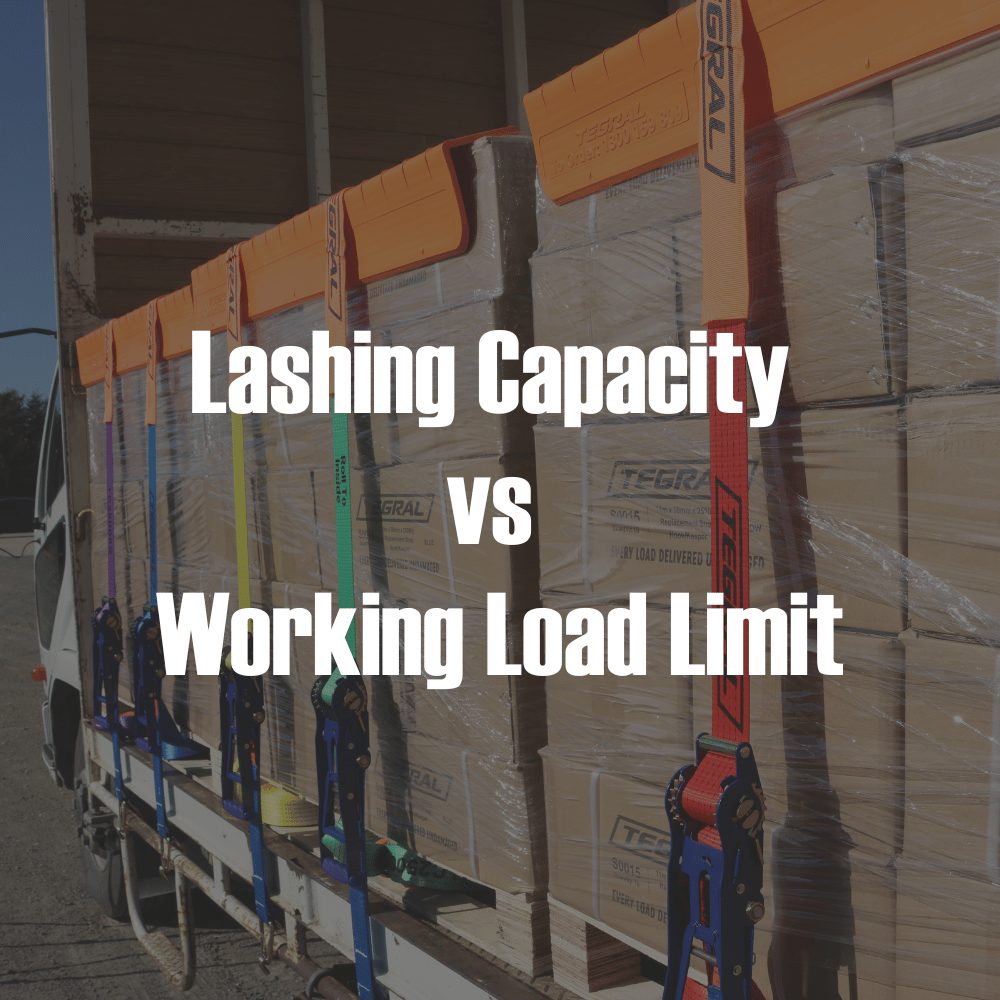
Lashing Capacity vs Working Load Limit: Understanding the Numbers on Your Equipment Tags
When it comes to load restraint, numbers matter. The figures stamped on a strap’s buckle or a chain’s tag aren’t there for decoration, they tell you how much force the equipment can safely handle. Misunderstanding them can mean the difference between a compliant load and a serious safety incident.
Two terms appear again and again in the 2025 Load Restraint Guide: Lashing Capacity (LC) and Working Load Limit (WLL). At first glance, they might seem interchangeable. But in practice, they’re used in very different ways, and knowing the difference is essential for compliance and safety.
Why the Distinction Matters in 2025
The 2025 Load Restraint Guide has placed even stronger emphasis on correct use of equipment labels and compliance with Australian Standards. Enforcement agencies are checking tags more closely, and the Chain of Responsibility (CoR) framework means liability doesn’t stop at the driver.
- If you’re restraining loads: you’ll see LC stamped or sewn into your straps and ratchet assemblies.
- If you’re lifting or suspending loads: you’ll see WLL on chains, slings, and shackles.
Confusing the two ratings can create a compliance breach, even if the gear itself is strong enough.
What is Lashing Capacity (LC)
Definition:
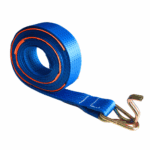
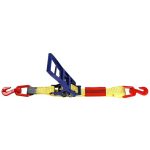
Lashing Capacity (LC) is the maximum force a tie-down lashing (such as a webbing strap or transport chain) can withstand in a straight-line pull.
Units:
- Expressed in decaNewtons (daN) or kilograms (kg).
- 1 daN ≈ 1 kg force.
Where it’s found:
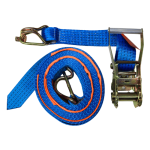
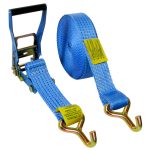
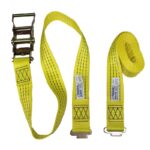
- Labels sewn into webbing straps
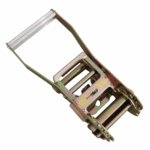
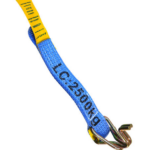
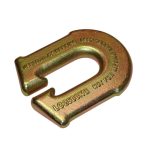
- Stamped into ratchet buckles, hooks, or fittings
- Product test certificates
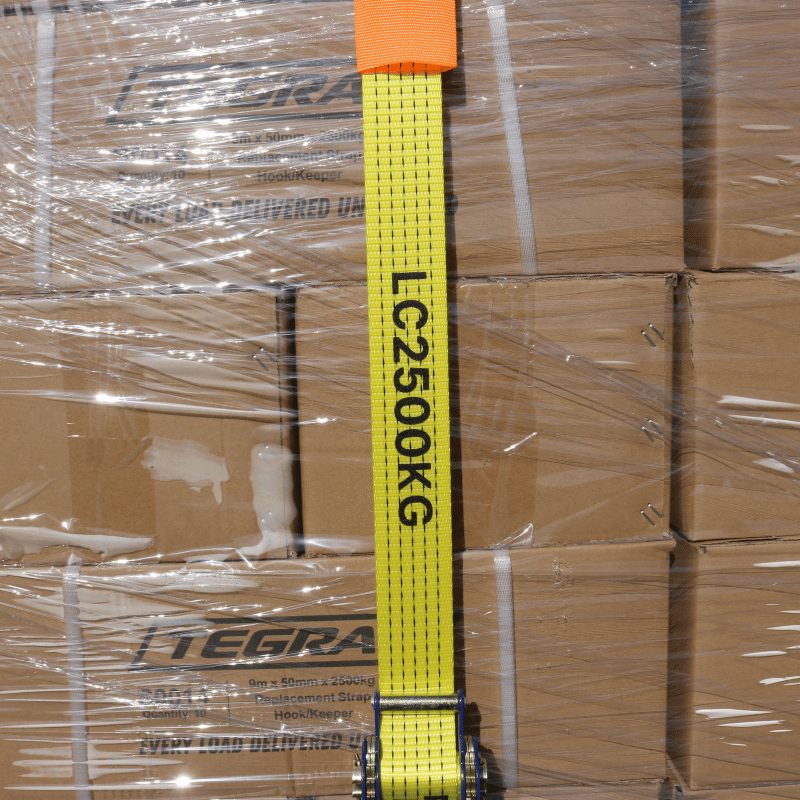
Example:
A strap marked 2,500kg LC means it can resist up to 2,500 kg of force in tension.
Safety Factor:
LC is normally set at half the minimum breaking strength (MBS). For example, if a strap breaks at 5,000 kg in destructive testing, its LC will be listed as 2,500kg. This safety factor accounts for wear, uneven loading, and real-world conditions.
What is Working Load Limit (WLL)?
Definition:
Working Load Limit (WLL) is the maximum load that lifting and rigging equipment can safely lift, lower, or suspend.
Units:
- Expressed in kilograms (kg) or tonnes (t).
Where it’s found:
- Chain tags (for lifting chain assemblies)
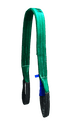
- Sling tags
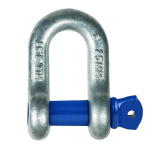
- Shackles and lifting hardware
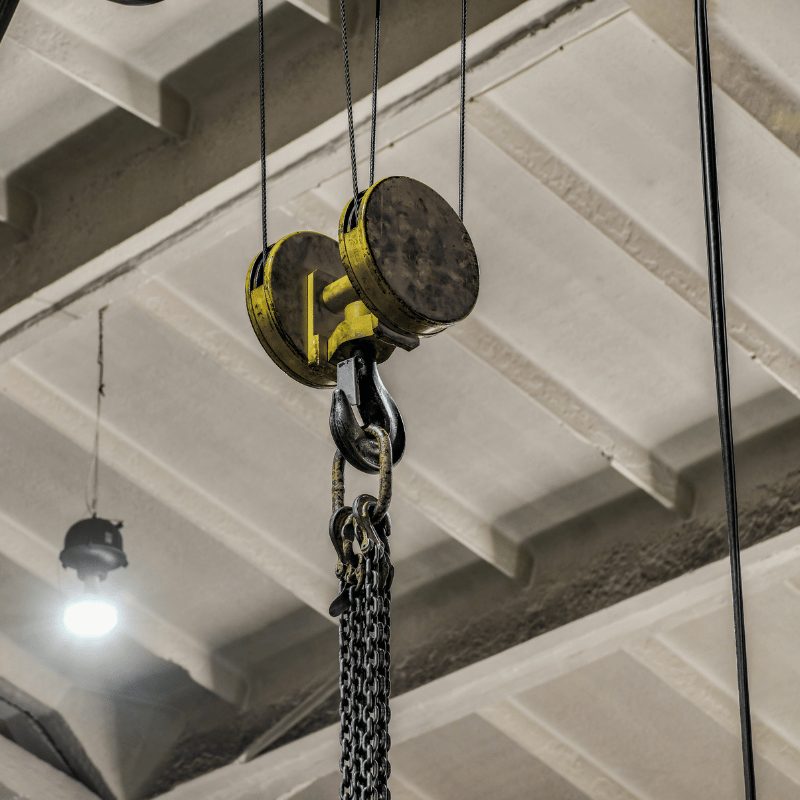
Example:
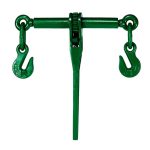
A Grade 80 chain sling with a WLL of 3.2 t means it can safely lift or suspend 3.2 tonnes vertically.
Standards:
WLL is defined in lifting standards such as AS 3775 (slings), AS 3776 (shackles), and AS 4344 (transport chains).
LC vs WLL — Side-by-Side
| Term | Context | Typical Equipment | Standard Reference | Example |
|---|---|---|---|---|
| Lashing Capacity (LC) | Transport restraint (securing freight to vehicles) | Webbing straps, ratchet tie-downs, transport chains | AS/NZS 4380, AS 4344 | Strap LC 2500 kgs |
| Working Load Limit (WLL) | Lifting & hoisting (suspending loads) | Chains, slings, shackles | AS 3775, AS 3776, AS 4344 | Chain sling WLL 3.2 t |
👉 Key takeaway: LC applies to restraint in transport, WLL applies to lifting. They cannot be swapped interchangeably.
Worked Example – Tie-Down with Straps
Let’s say you’re restraining a 10-tonne steel load on a flatbed trailer.
- Each strap is rated LC 2,500 daN.
- Using the tie-down friction method, each strap provides restraint equal to 0.5 × LC × coefficient of friction (μ).
If μ = 0.3 (rubber mat under the load):
- Each strap provides 0.5 × 2,500 × 0.3 = 375 daN of restraint.
- To achieve the forward requirement (0.8 g × 10,000 kg = 8,000 daN), you need:
8,000 ÷ 375 ≈ 22 straps.
This is why the guide often recommends blocking and direct restraint for heavy, low-friction loads, relying only on friction tie-down can require impractical numbers of straps.
(Reference: LRG 2025, Module 2, worked examples)
Common Misunderstandings
- “LC and WLL are the same thing.”
They’re related but not identical, LC is for restraint, WLL is for lifting. - “If a strap has a breaking strength of 5000 kg, I can use it to that load.”
Incorrect, LC is half the breaking strength, so safe use is 2,500 daN. - “Lifting chains can always be used for restraint.”
Only if labelled to AS 4344 with LC values for restraint. A lifting chain rated WLL 3.2 t is not automatically compliant as a restraint. - “Old straps without labels are fine if they still look strong.”
Not true, under the 2025 Guide, equipment must be labelled and compliant to standards. Unlabeled gear will be treated as non-compliant.
Practical Tips from the 2025 Guide
- Check labels every time – if the LC or WLL tag is missing, treat the gear as non-compliant.
- Use the right tool for the job – straps for tie-down, slings and chains for lifting.
- Audit equipment regularly – retire gear that’s damaged, unlabelled, or doesn’t meet standards.
- Train across the chain – drivers, loaders, and managers should all understand the difference.
- Keep records – test certificates and inspection logs can help prove compliance under CoR.
Final Thoughts
The 2025 Load Restraint Guide has made the distinction between LC and WLL clearer than ever. While the numbers may look similar on paper, their application is very different.
- LC keeps freight safely restrained during transport.
- WLL keeps loads safely lifted and suspended.
By understanding and applying these ratings correctly, transport operators can reduce risk, stay compliant, and ensure every load arrives undamaged.
You May Also Be Interested
15 Handy Things Every Truckie Should Pack for the Road
5 Ways Fleet Managers can save Time and Money: Cut Costs, Stay Compliant
Canvas vs PVC Truck Tarps: Which Truck Tarp is Best for Transport?
The Science Behind Load Restraint: Forces at Play During Transport
Check Out Our YouTube Channel
Products

1m x 8mm Maxibinder
$120.00 ex GST
Portable Truck Fall Protection Barrier
Ratchet Strap Thrower
PVC A-Trailer Tarp
$3,200.00 ex GST
PVC Rigid Truck Tarp
Tarp Rope – 3.3m


Hand Pallet Wrap – Black
$19.00 - $29.00$19.00 - $29.00
LDPE Pallet Bags 1900mm x 25um
Ecoflute – Recycled Corflute Truck Boards 4mm x 1420mm x 1090mm
$4.00 – $11.00 ex GST