















































Sustainability is becoming a bigger focus across the transport industry. For transport managers, the challenge is finding practical ways to reduce waste and improve efficiency without compromising safety, performance or day-to-day operations.
At Tegral, we believe sustainability does not always need to come from big, complicated changes. Sometimes, it comes from choosing better products, smarter packaging and longer-lasting gear that helps reduce unnecessary waste over time.
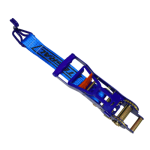
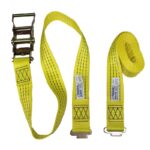
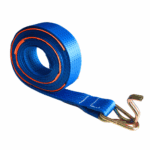
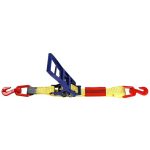
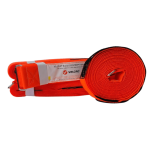
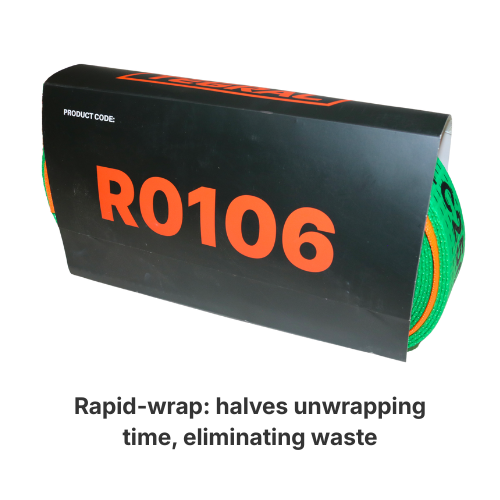
One of the best examples of this is our RapidWrap ratchet strap packaging.
RapidWrap: Smarter Packaging With Less Waste
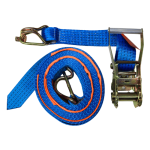
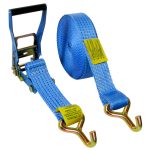
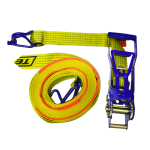
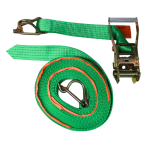
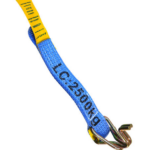
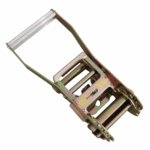
Ratchet straps are an essential item across most transport fleets, but the way they are packaged can create a lot of unnecessary waste.
Many straps are commonly supplied in plastic bags, wrapped in plastic strapping or packed in materials that quickly end up in the bin. Across a large fleet, that waste can add up fast.
Tegral’s RapidWrap packaging was designed to reduce that problem.
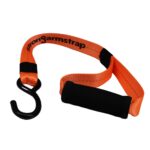
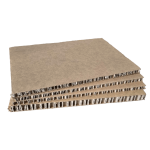
Our ratchet straps are packed using cardboard-only packaging, with no plastic bags and no plastic strapping involved. This makes it easier for transport teams to manage waste on-site and helps reduce the amount of unnecessary plastic entering the supply chain.
For businesses working toward sustainability goals, this is a simple but practical improvement. It gives transport managers a more responsible packaging option without changing the product they rely on every day.
Take It Further With Reusable Crates
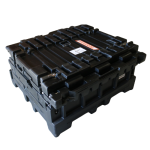
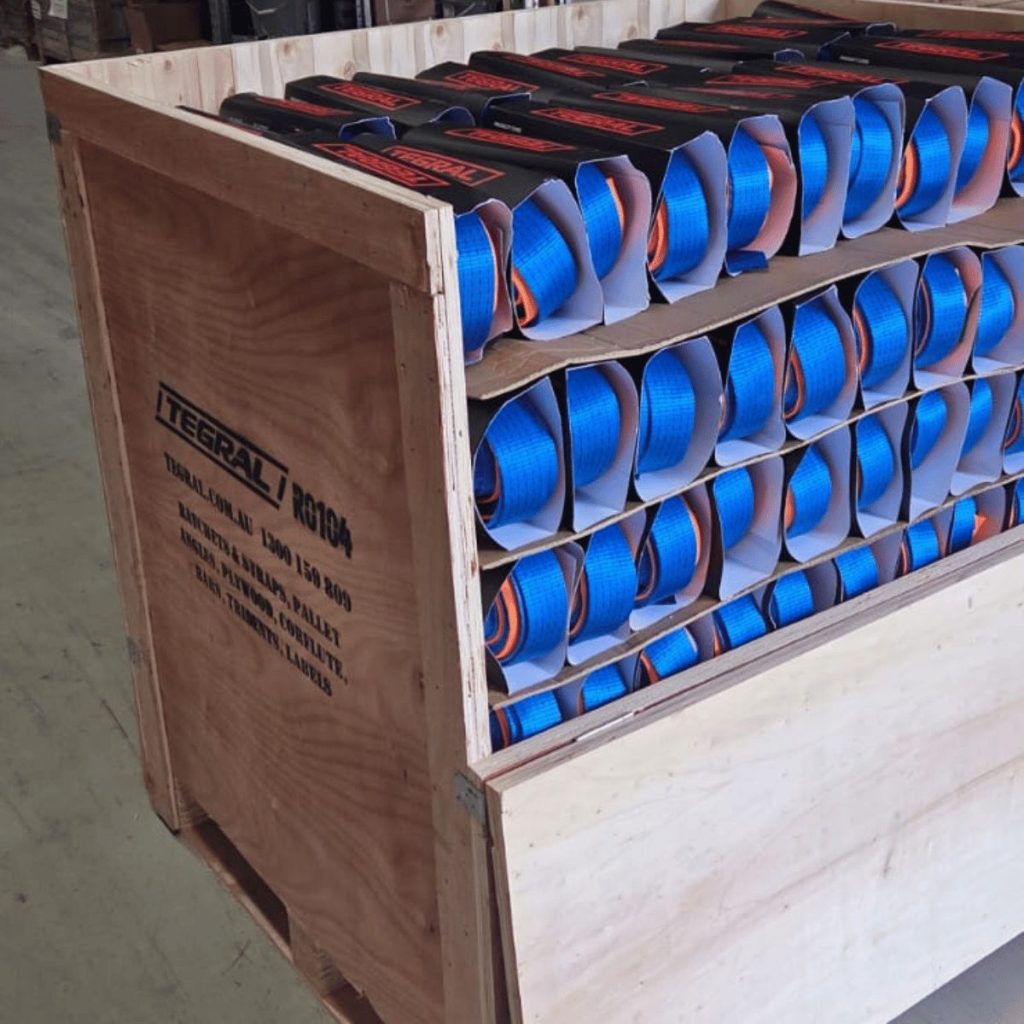
For customers buying larger quantities, Tegral also offers the option to purchase ratchet straps in a crate.
This removes the need for individual cardboard boxes altogether. Instead of having cartons that need to be broken down, stored, recycled or thrown away, the straps are supplied in a reusable crate that can continue to provide value long after the order arrives.
The crate can be kept on-site and used as practical storage for straps, load restraint gear or other transport equipment. This helps reduce packaging waste while also keeping the workplace more organised.
For busy depots and transport yards, it is a small change that can make day-to-day operations cleaner, easier and more efficient.
Better Quality Means Less Replacement
Another important part of sustainability is product lifespan.
Cheaper or lower-quality gear may look like a saving upfront, but if it breaks, wears out or needs replacing more often, it can create more waste and more repeat purchasing over time.
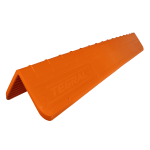
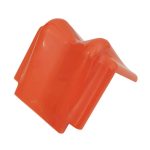
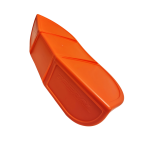
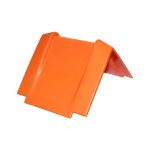
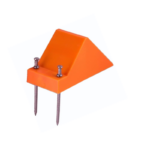
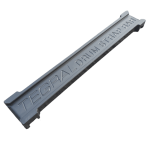
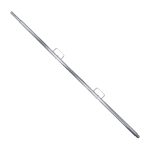
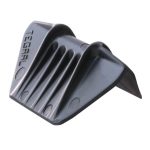
Tegral focuses on supplying durable transport equipment that is built for real fleet conditions. A strong example is our range of pallet angles, which are designed to handle tough day-to-day transport use and resist breakage better than many standard alternatives.
When products last longer, transport teams do not need to replace them as often. That means fewer products need to be manufactured, shipped, stored and disposed of over time.
This same principle applies across our broader range of transport gear. Reliable, well-made equipment helps fleets reduce waste, lower replacement rates and get better long-term value from the products they use every day.
Ecoflute: Giving Good Material a Second Life
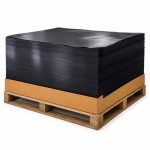
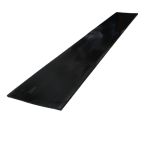
Tegral also offers 4mm Ecoflute, a recycled corflute option made from used corflute sheets that are still in good condition.
Rather than letting usable material go to waste, Ecoflute gives it a second life in transport operations where a more sustainable option is suitable.
For transport managers looking to reduce waste and make more responsible purchasing decisions, Ecoflute provides a practical alternative without overcomplicating the process.

Practical Sustainability for Transport Fleets
Sustainability in transport is not just about major changes. It is also about the everyday choices that reduce waste, improve efficiency and help fleets get more from the equipment they already use.
With RapidWrap cardboard-only packaging, reusable crate options, durable transport gear and recycled Ecoflute products, Tegral helps transport managers take practical steps toward their sustainability goals.
These changes may seem small on their own, but across a fleet, they can make a real difference.
At Tegral, our goal is simple: provide smarter transport equipment that helps fleets operate safely, efficiently and responsibly.
You May Also be Interested In
Direct Restraint vs Friction Restraint: Which Method Suits Your Load?
Who’s Liable? A Guide to the Chain of Responsibility in Load Restraint
Why Tegral Pallet Angles Last Longer Than Standard Alternatives
Why E-Track and F-Track Straps Are Rated Lower Than Regular Straps
Check Out Our YouTube Channel
Products
Shipping Container Desiccant 1kg
Universal Truck Tarp
$2,100.00 ex GST
Magnetic Red Marker Light
Trade Safety Glasses – Smoke Lens
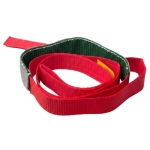
Wheel Clamp Replacement Strap – 3m x 50mm x 1750kg
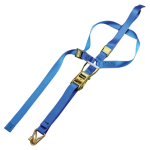
Wheel Harness Ratchet Tie Down – 1.5m x 50mm x 550kg
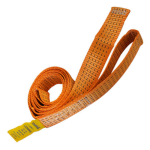
Wheel Clamp Replacement Strap – 2.6m x 50mm x 2500kg (200mm Loop)

250mm x 250mm Dangerous Goods Labels – Limited Quantity Classes
$0.75 - $1.00$0.75 - $1.00