



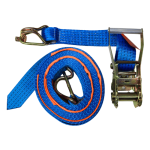
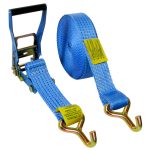

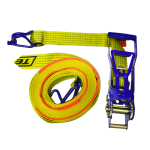
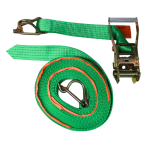







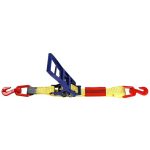

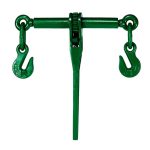





















































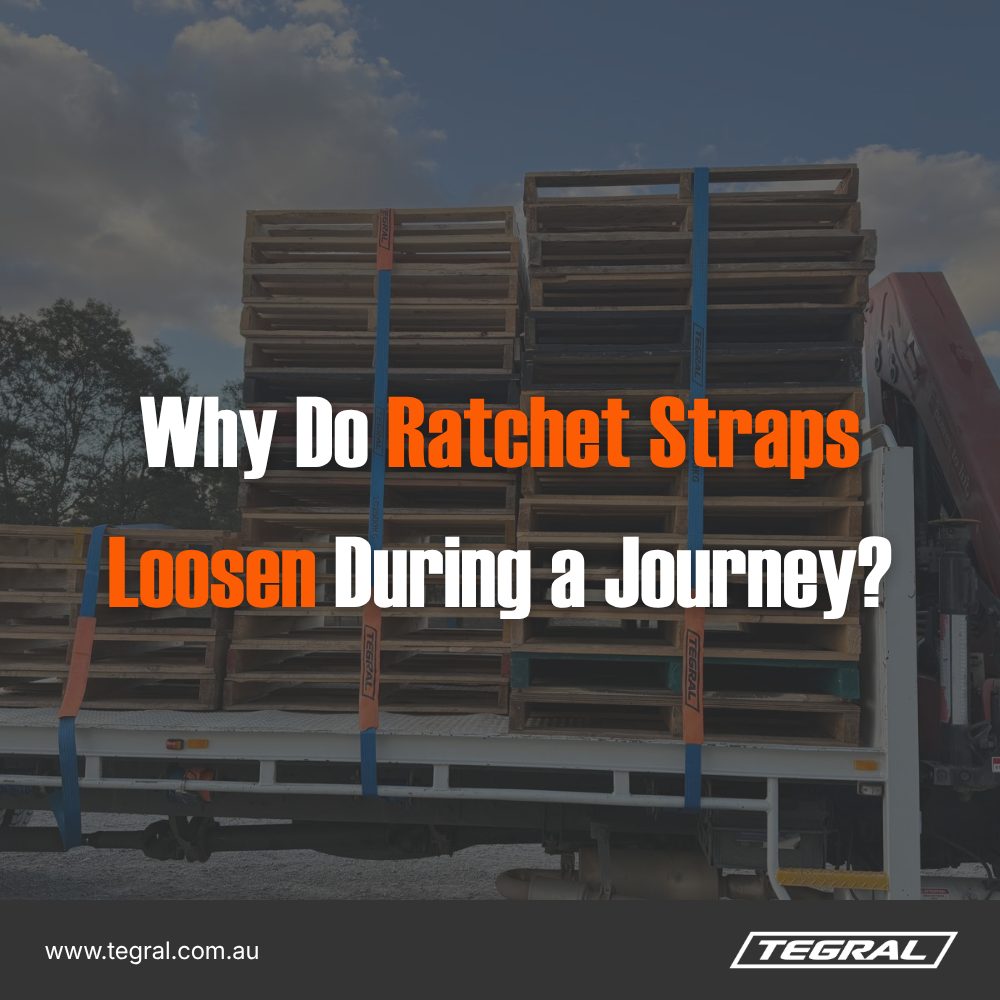
You tighten your ratchet straps before leaving the yard, check the load and everything feels secure. A few hours down the road, you stop for a check — and suddenly one or more of the straps aren’t as tight as they were.
So, what happened?
A ratchet strap becoming loose doesn’t necessarily mean the ratchet has failed. In many cases, it’s the load underneath the strap that has changed.
Understanding why this happens is an important part of maintaining effective load restraint throughout a journey.
Why Strap Tension Matters
When ratchet straps are used for tie-down restraint, they don’t simply hold the load in position by their strength.
Tension applied to the strap creates downward clamping force on the load. This increases the friction between the load and the vehicle deck, helping prevent the load from sliding.
The NHVR specifically highlights that tie-down restraint relies on friction, and that the clamping force created by lashing pre-tension increases that friction.
If that initial tension reduces during the journey, the restraint provided by the tie-down system can also be reduced.
Why Do Ratchet Straps Become Loose?
There are several reasons a strap that was tight at the start of a journey may lose tension:
- The load settles or compresses: This is one of the biggest reasons.Loads such as timber, cardboard cartons, palletised goods, bagged products, insulation and other compressible materials can settle as the vehicle travels.Imagine tightening a strap over a stack of cartons. If the load compresses by even a small amount, the distance the strap needs to travel over the load becomes shorter — but the strap itself hasn’t shortened with it.The result is reduced strap tension.The NHVR identifies pack settling during transport as a load-restraint risk and recommends regularly checking fully tensioned lashings on loads that may settle.
- Individual items move within the load: A pallet or stack might look solid when it leaves the warehouse, but individual items can shift slightly as the truck accelerates, brakes, corners and travels over uneven roads.Even small changes in the shape or position of the load can change the path of the strap and reduce its tension.
- Webbing and restraint components settle into position: Ratchet straps are flexible restraint systems. Once the vehicle begins moving, the webbing, edge protection and contact points around the load can settle into their natural positions.A strap that was sitting slightly across the corner of a pallet, for example, may move further into the corner protector or load during the first section of the journey.That small movement can be enough to reduce some of the original pre-tension.
- The load isn’t sufficiently unitised: Sometimes the problem isn’t the strap — it’s what is underneath it.If cartons, bags, sheets or other products can move independently of each other, the overall shape of the load can change during transport.This is why unitising a load properly can be an important part of the overall restraint system. The NHVR recommends loads be packed into a stable, self-supporting shape and identifies settling as a risk during transport.
- The wrong restraint method is being relied on: Ratchet straps aren’t always the entire answer.Depending on the load, a combination of tie-down restraint, direct restraint, blocking, friction and load unitisation may provide a more suitable system.The NHVR notes that there is no one-size-fits-all approach to load restraint and that tie-down, direct restraint, or a combination of restraint methods may be required depending on the load and vehicle.
- The restraint equipment is worn or damaged: Damaged webbing, worn ratchets, damaged hooks or other compromised components can affect the performance of your restraint system.Load restraint equipment should therefore be inspected before use and removed from service if it is no longer in suitable condition. The NHVR recommends using rated, serviceable equipment and inspecting restraints for damage or excessive wear.
This Is Why Load Checks Matter
Securing the load before leaving isn’t necessarily the end of the job.
Loads can change during transport.
A load that settles, compresses or moves can change the tension in the restraints that were originally applied to it. This is particularly important with loads known to settle during transport.
The NHVR’s guidance for loads such as hay specifically recommends fully tensioning lashings and checking them regularly because the load may settle.
Where it is safe and appropriate to do so, checking the load during the journey gives the driver an opportunity to identify loosened lashings or changes to the load before they become a bigger problem.
How Can You Reduce Ratchet Straps Loosening?
Start with the load itself.
Make sure the freight is packed and unitised as securely as possible before applying restraint. Consider whether movement or compression is likely once the vehicle is underway.
From there, use the correct restraint method and make sure your straps are properly tensioned. Good friction between the load and the deck can also play an important role in tie-down restraint, as greater friction makes it harder for the load to move.
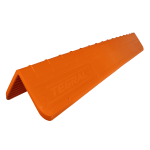
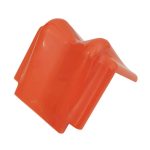
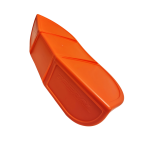
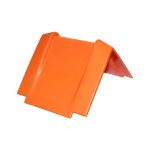
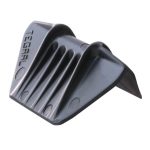
Edge protection can help protect both the strap and the load while also providing a more suitable contact point around corners.
Most importantly, don’t assume a strap that was tight when the truck left will remain exactly the same for the entire journey.
A Tight Strap Is Only Part of the System
Ratchet straps are an important part of load restraint, but effective restraint is about more than simply pulling a strap as tight as possible.
The load, friction, packing method, vehicle, lashing angle, pre-tension and restraint method all work together.
A well-designed restraint system should account for what may happen to the load after the truck starts moving, not just how it looks while it’s sitting in the yard.
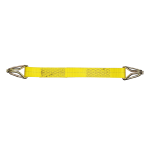
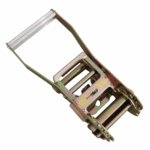
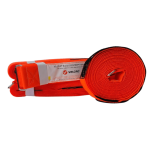
At Tegral Transport Equipment, we supply a wide range of load restraint equipment designed for Australian transport operations, including ratchet straps, winch straps, edge protection, friction matting and other equipment to help fleets build safer and more practical load restraint systems.
Need help choosing the right equipment for your application? Talk to the Tegral team.
You May Also Be Interested In
Single-Use vs Reusable Lifting Slings: Which One Does Your Job Need?
How to Prevent Container Rain: A Guide to Shipping Container Desiccants
Direct Restraint vs Friction Restraint: Which Method Suits Your Load?
Who’s Liable? A Guide to the Chain of Responsibility in Load Restraint
Check Out our YouTube Channel
Products
100mm x 100mm x 2400mm E-Dunnage Timber
