













































































In the transport industry, every link in the supply chain counts, from the moment freight leaves the depot to when it’s signed off at delivery. Yet one of the biggest ongoing risks for operators across Australia remains cargo tampering and theft.
While it’s tempting to think “it won’t happen to us,” the reality is that freight crime in Australia is on the rise, and it’s often opportunistic, fast, but can be preventable.
The Reality of Cargo Theft in Australia
According to the Australian Institute of Criminology, cargo theft doesn’t just happen on the road. It occurs in depots, warehouses, and even during loading and unloading, often going undetected until goods are missing or customers complain.

Even a single incident can threaten the viability of small or medium-sized operators, especially when loads are high in value or delivered under tight schedules.
The trend isn’t limited to petty theft, either. Gallagher Australia reports that organised crime groups are increasingly targeting freight, using tactics such as identity fraud, fake carriers, and document forgery to access goods.
And while not every case makes headlines, Australia has seen major incidents, like a Sydney Airport freight handler jailed for stealing nearly $450,000 worth of electronics, that highlight how easily tampering can occur when basic physical safeguards are overlooked.
The Role of Strip Seals in Preventing Tampering
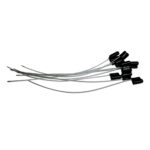
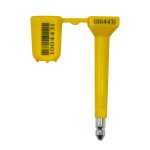
One of the simplest and most effective countermeasures against unauthorised access is the use of security strip seals, also known as tamper-evident seals.
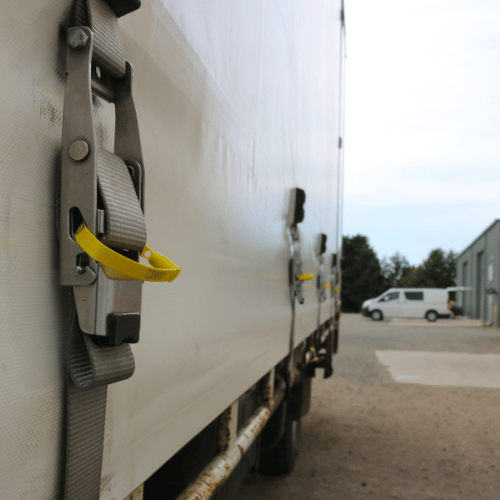
These lightweight, single-use plastic seals attach to trailer doors, containers, or load packaging and must be broken to open. If removed or cut, it’s instantly visible – providing a clear line of accountability throughout transport.
Here’s how they make a difference:
🔒 1. Instant Tamper Evidence
Once applied, any attempt to open or reseal the load is visible, deterring theft and ensuring transparency at every checkpoint.
🧾 2. Traceability Through Serial Numbering
Most quality seals, like Tegral’s new branded strip seals, feature unique, sequential serial numbers. These numbers can be logged on manifests or delivery sheets to ensure the same seal applied at dispatch is intact at delivery.
💪 3. Strength Without Overkill
With a tensile strength around 10 kg, strip seals won’t snap accidentally during handling, yet they’re still easy to remove intentionally when authorised.
💸 4. Low-Cost, High-Return Protection
Compared to metal or electronic seals, strip seals offer a cost-effective layer of protection that scales easily across fleets or large delivery volumes.
🚛 5. Versatile for All Load Types
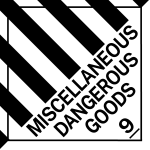
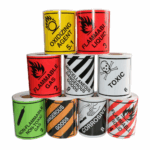
From pantech trucks and rigid bodies to sealed pallets, dangerous goods, and sensitive cargo — strip seals provide adaptable, everyday protection across all transport categories.
The Cost of Doing Nothing
Choosing not to use tamper-evident seals might seem harmless – until it isn’t. Without them:
- Theft or interference can go unnoticed until delivery.
- Liability disputes increase between shippers, drivers, and receivers.
- Insurance claims can be delayed or denied due to lack of proof of tamper prevention.
- Customer trust erodes when deliveries arrive opened or short.
Globally, cargo theft is estimated to cost more than USD 35 billion annually, and even if Australia represents a small fraction of that, it’s still millions in preventable losses every year.
A Small Step That Strengthens the Chain
In the world of transport and logistics, small details matter. A properly logged and applied strip seal is a visible sign of diligence – protecting not just the load, but also the operator’s reputation and the customer relationship behind every delivery.
By implementing tamper-evident practices, fleet managers and drivers can reduce theft risk, improve accountability, and help ensure every load arrives the way it left: sealed, secure, and undamaged.
You May Also Be Interested In
5 Ways Fleet Managers can save Time and Money: Cut Costs, Stay Compliant
The Science Behind Load Restraint: Forces at Play During Transport
How to Manage Your Fatigue: A Fatigue Management Guide for Heavy Vehicle Operators
Check Out Our YouTube Channel
Products

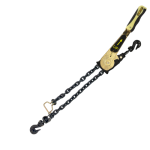
1m x 8mm Maxibinder
$120.00 ex GST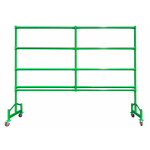
Portable Truck Fall Protection Barrier

Ratchet Strap Thrower
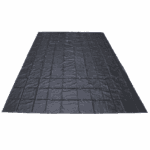
PVC A-Trailer Tarp
$3,200.00 ex GST
PVC Rigid Truck Tarp

Tarp Rope – 3.3m


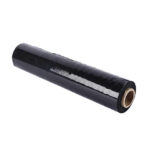
Hand Pallet Wrap – Black
$19.00 - $29.00$19.00 - $29.00
LDPE Pallet Bags 1900mm x 25um
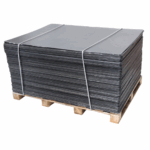
Ecoflute – Recycled Corflute Truck Boards 4mm x 1420mm x 1090mm
$4.00 – $11.00 ex GST