



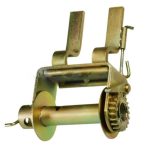
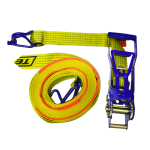
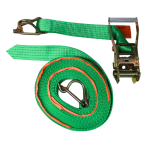
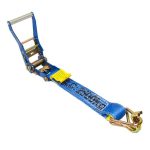
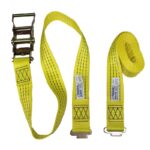











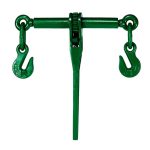

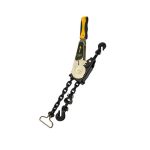



























































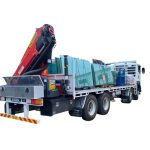

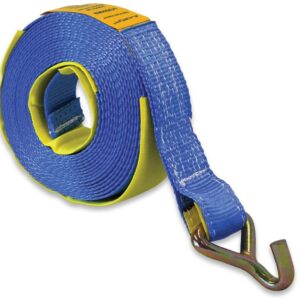
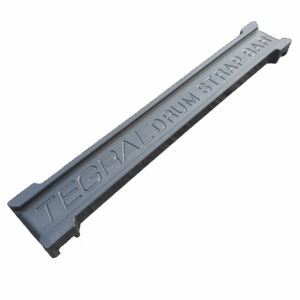

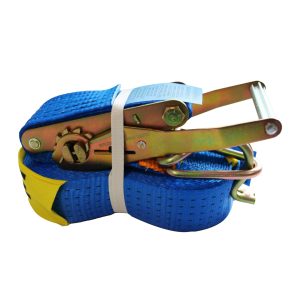
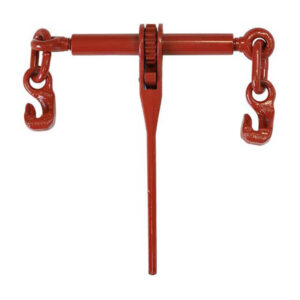
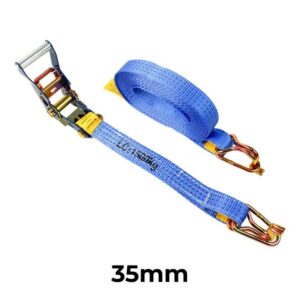
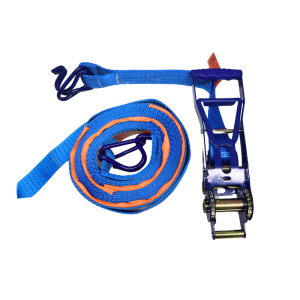
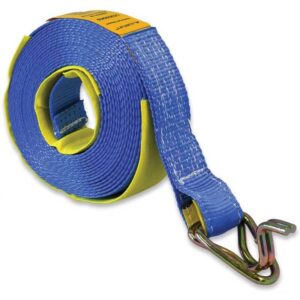

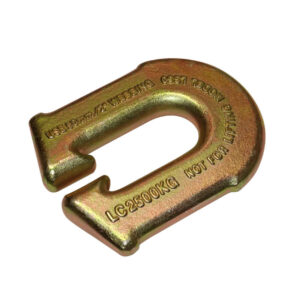
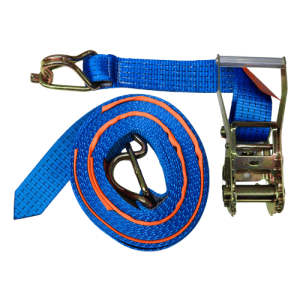
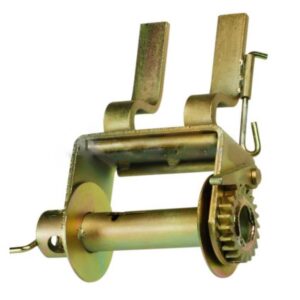

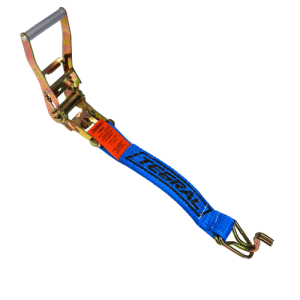
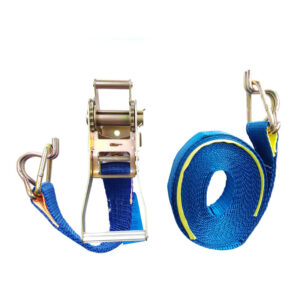
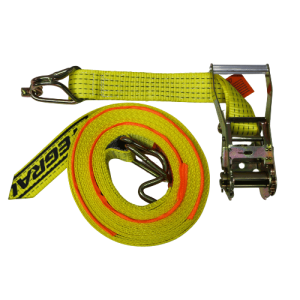
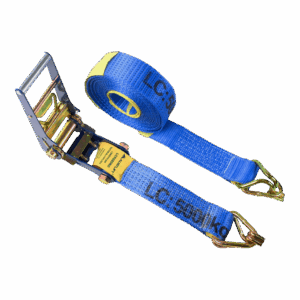


Shoulder injuries in the transport industry don’t usually happen in a single dramatic moment, they build up over time. Throwing straps, tightening straps, pulling curtains, the list goes on. In transport, the shoulder is one of the hardest-working joints in the body, and one of the most vulnerable.
If you’re a driver, fleet manager or operations supervisor, preventing shoulder injuries isn’t just about comfort. It’s about longevity, productivity and reducing serious claims.
Why Shoulder Injuries Are So Common in Transport
A typical shift involves:
- Throwing straps over loads
- Reaching above shoulder height
- Applying high force to ratchets & binders
- Pulling tautliner curtains
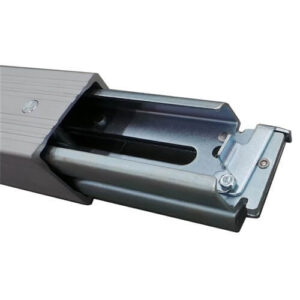
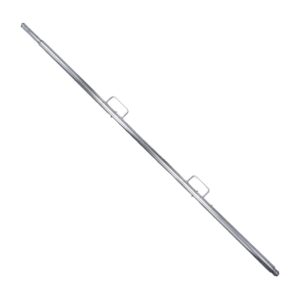
- Installing shoring bars
- Working in cold environments
These movements combine:
- Overhead extension
- Rotational twisting
- Sudden force under tension
- Repetitive strain
Over time, this leads to:
- Rotator cuff strain
- Tendon inflammation
- Reduced range of motion
- Chronic pain
And nationally, injury data shows that body stressing is the leading cause of serious claims for truck drivers, well above vehicle incidents. That tells us something important:
The biggest risk isn’t just on the road, it’s in the physical tasks around the truck.
6 Practical Ways to Prevent Shoulder Injuries
1. Reduce Repetitive Overhead Throwing
Throwing straps repeatedly places rotational load on the shoulder joint, especially when loads are wide or tall.
Prevention Tip:
Use tools that improve strap placement without exaggerated overhead motion.
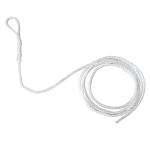
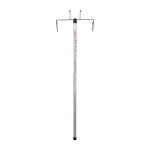
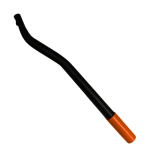
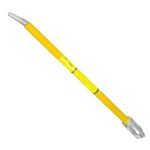
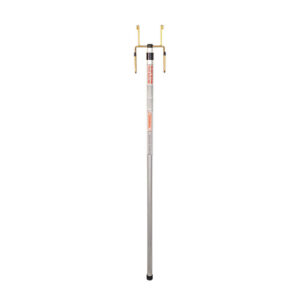
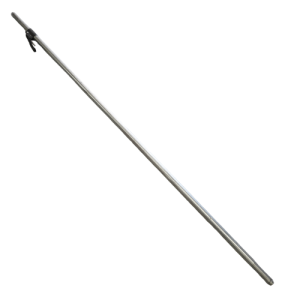
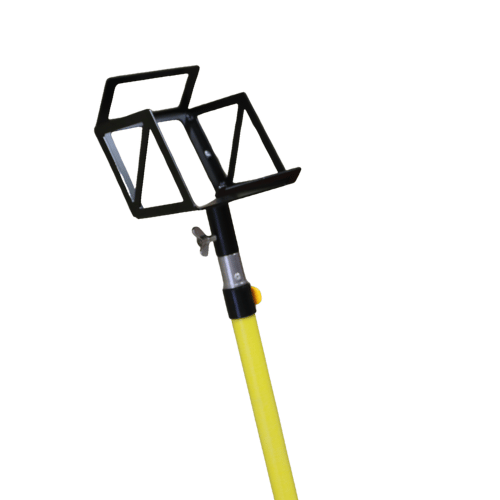
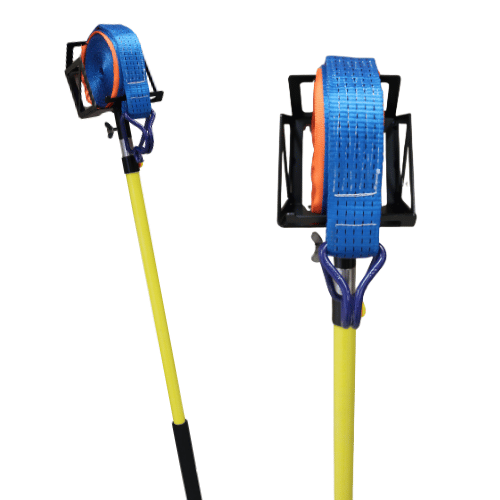
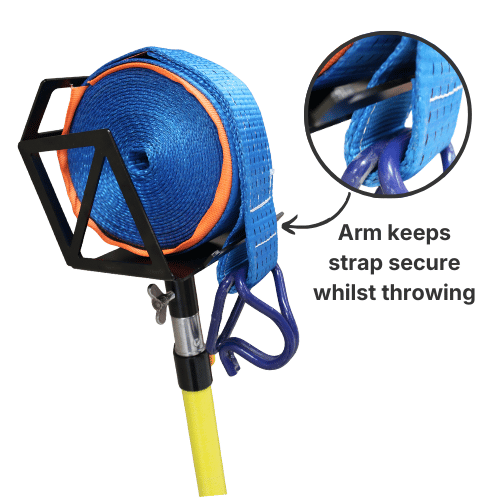
A Ratchet Strap Thrower helps reduce the range and force required, lowering rotational strain across the shift.
2. Improve Leverage When Tensioning
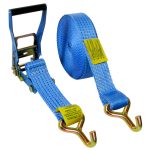
Traditional ratcheting often requires high force, especially when equipment is worn or poorly positioned.
Sudden jerking under load places direct stress on the shoulder joint.
Prevention Tip:
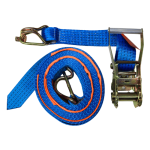
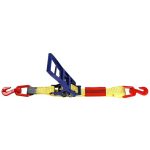
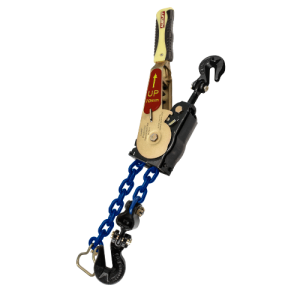
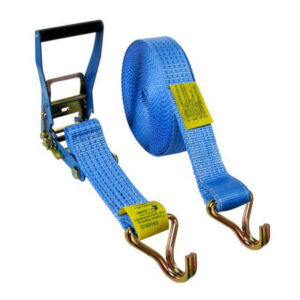
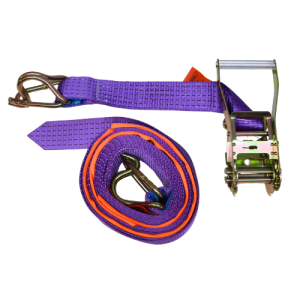
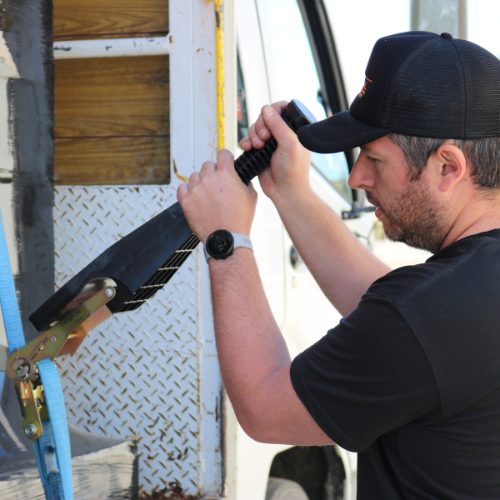
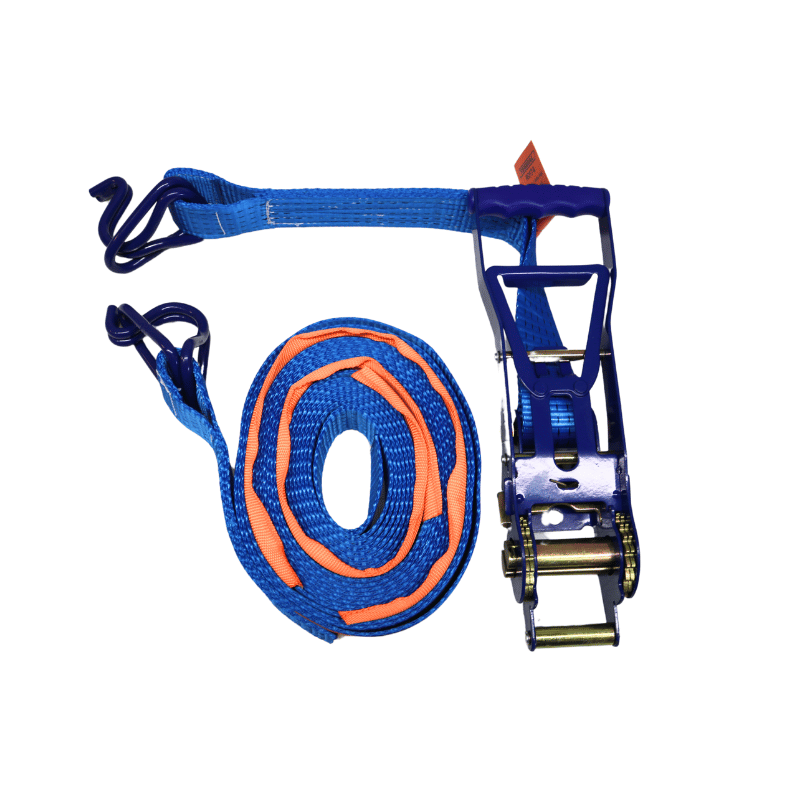
Use ergonomic tensioning systems that increase mechanical advantage and allow controlled force application.
- Good-N-Tight tensioners
- Ergo ratchet straps
The less force required from your shoulder, the lower the long-term risk.
3. Keep Pulling Motions Close to the Body
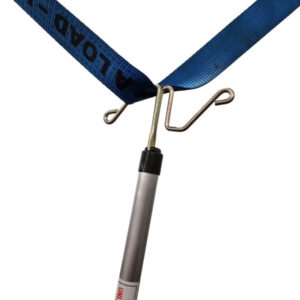
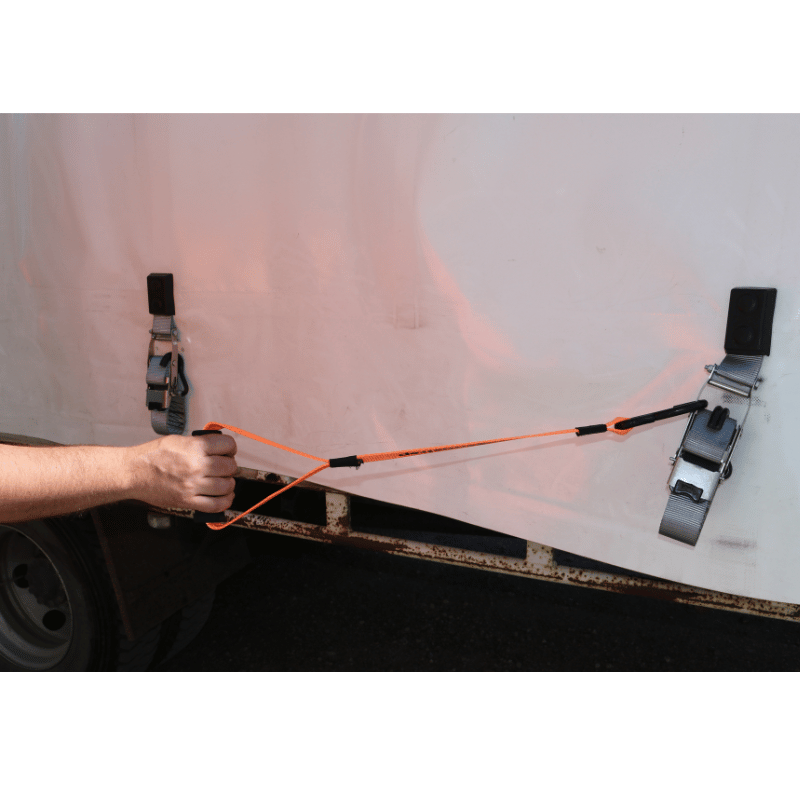
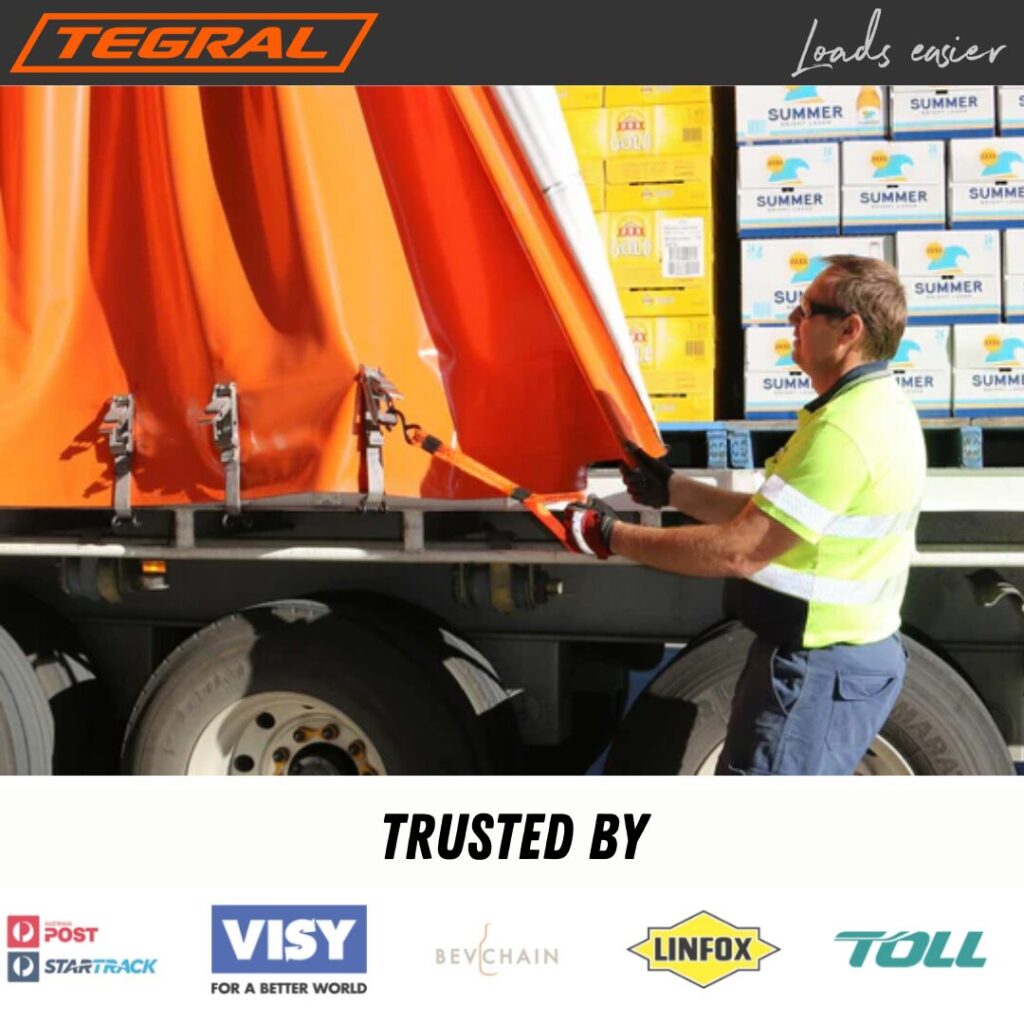
Tautliner curtains are a major contributor to shoulder strain. Reaching out and pulling under tension forces the shoulder into extended positions.
Prevention Tip:
Keep pulling movements close to your body.
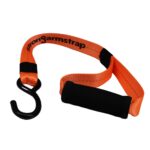
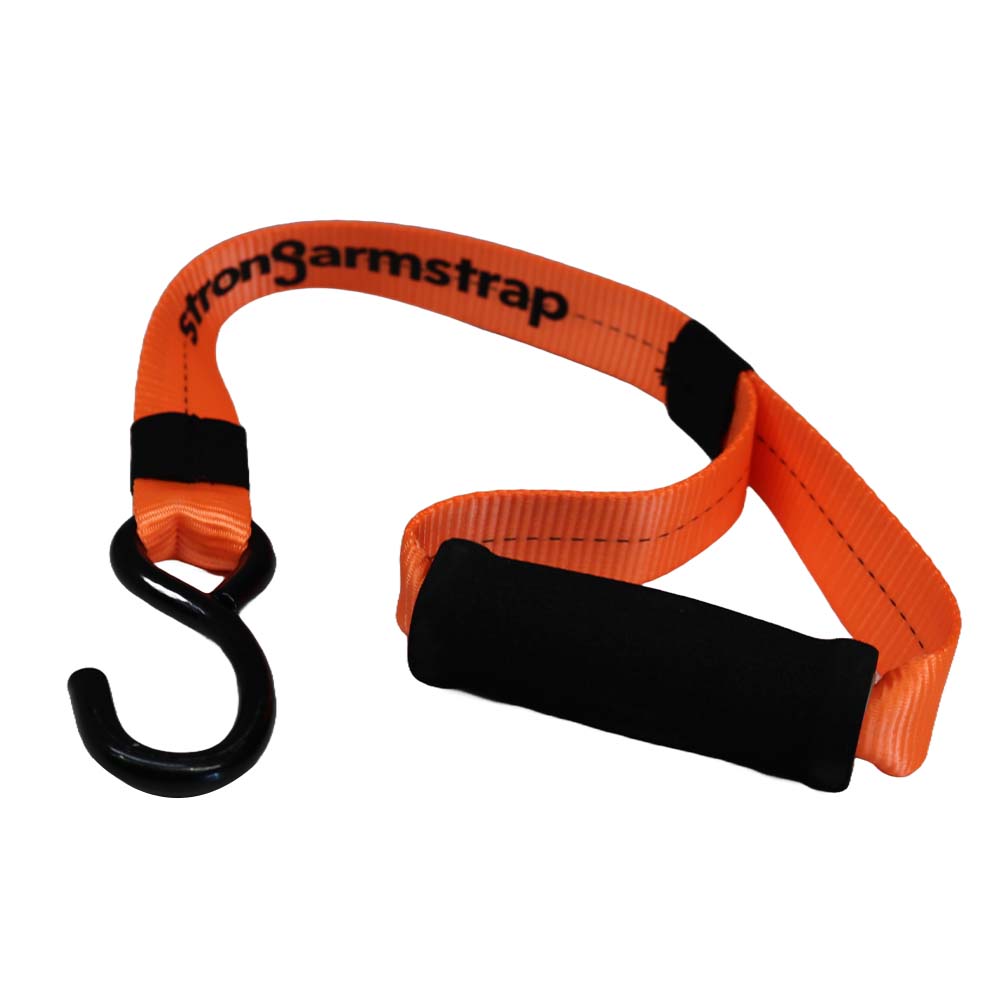
Tools like the Strong Arm Strap allow operators to engage core strength instead of overextending the shoulder joint, especially helpful in cold or high-frequency loading environments.
4. Minimise Overhead Compression Force
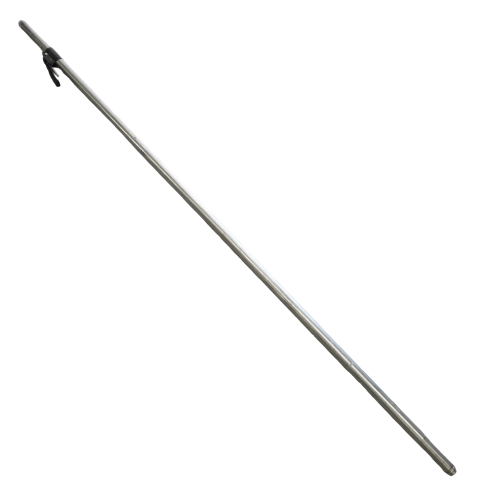
Installing traditional shoring bars can involve awkward overhead pressure and repetitive forceful compression.
Prevention Tip:
Use shoring systems that reduce required effort.
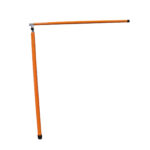
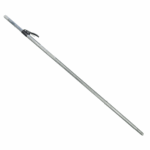
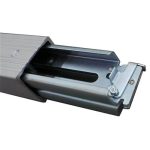
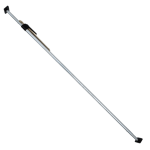
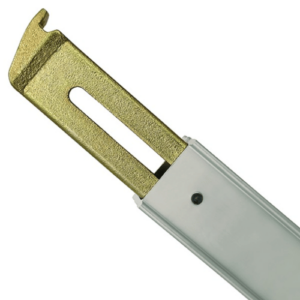
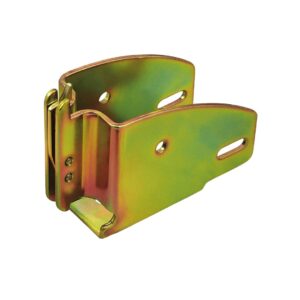
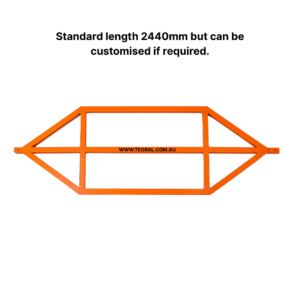
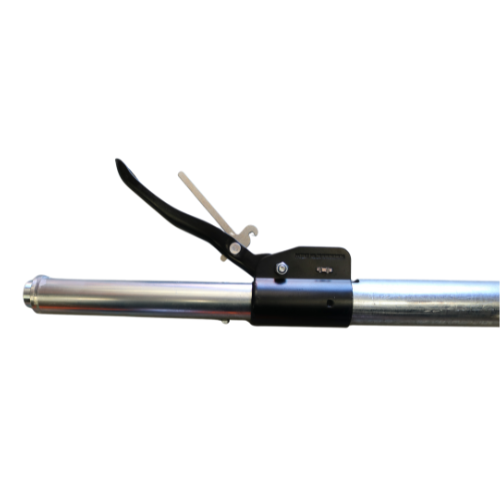
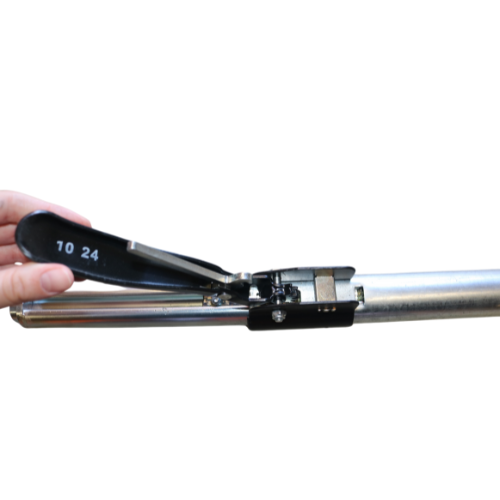
An ergonomic shoring bar with a ratchet-style lever mechanism reduces strain while improving control and safety.
5. Maintain Equipment Properly
Worn ratchets, stiff winches and damaged components increase the force required to operate them.
More force = more strain.
Routine inspection and maintenance reduces both load risk and injury risk.
6. Warm Up and Rotate Tasks
This is often overlooked.
Cold muscles + high force = higher injury risk.
Simple pre-shift mobility work and rotating high-strain tasks across team members can significantly reduce cumulative shoulder stress.
The Business Case for Preventing Shoulder Injuries
For fleet operators, this isn’t just a driver comfort issue.
Shoulder injuries can lead to:
- Time off work
- Workers compensation claims
- Increased premiums
- Reduced productivity
- Driver retention challenges
Nationally, body stressing accounts for the highest number of serious injury claims among truck drivers. That’s a clear signal that manual handling and repetitive strain deserve attention.
Preventing injuries isn’t about eliminating hard work.
It’s about reducing unnecessary strain.
Designing for the Operator
Load restraint equipment has traditionally focused on securing freight.
But modern transport operations also need to consider the operator.
Ergonomic tools, from improved tensioners to better leverage systems, don’t just secure loads. They reduce cumulative physical stress.
And that makes a difference over a 10+, 15+, or 20-year driving career.
Protect the Load. Protect the Operator.
Shoulder injuries don’t happen overnight.
But prevention can start today.
Small adjustments in technique.
Better equipment design.
Smarter task management.
Because in transport, your shoulders are tools of the trade, and they need protecting just as much as the freight.
You May Also Be Interested In
Where Fleet Managers Lose the Most Time: And How to Get it Back
The Difference between a Winch Strap and a Ratchet Strap
Load Height Variations: The Hidden Cause of Load Shift (and How Fleets Can Prevent It)
Why UV-Stabilised Load Restraint Gear Matters
Check Out Our YouTube Channel
Products
Strap Launcher

Round Single Use Sling 1T x 1.5m
$8.50 ex GST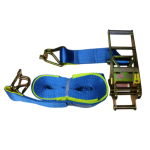
1050mm Pallet Angle – White
Original price was: $14.35.$10.00Current price is: $10.00. ex GST
Dangerous Goods Segregation Box – Type II
$3,720.40 ex GST
Mini Container Bolt Seal (Domestic Use)
$0.66 ex GST
Sub Class Dangerous Goods Banner (EIP)
$120.00 ex GST
1m x 8mm Maxibinder
$120.00 ex GST
Portable Truck Fall Protection Barrier

Ratchet Strap Thrower
PVC A-Trailer Tarp
$3,200.00 ex GST
PVC Rigid Truck Tarp