






































































Time is one of the most expensive resources for fleet managers. For large fleets, small inefficiencies repeated across dozens, or hundreds, of trucks quickly turn into thousands of lost hours each year. The problem? Most of that lost time doesn’t show up neatly on a P&L.
It hides in the day-to-day.
1. Re-Strapping Loads That Should’ve Been Right the First Time
One of the biggest time leaks happens before the truck even leaves the yard.
- Loads shifting during the first few kilometres
- Drivers pulling over to re-tension straps
- Loads needing to be reconfigured entirely
Each incident might cost 10–20 minutes, but across a fleet, that adds up fast, especially on multi-drop or linehaul work.
Why it happens:
- Mixed strap ratings across the fleet
- Inconsistent restraint methods
- Improvised load protection instead of purpose-built solutions
How to get the time back:
- Standardise restraint equipment and methods
- Use load protection designed for the specific freight type
- Remove guesswork from the load-out process
When every truck is set up the same way, loads leave the yard correctly.

2. Load Damage Investigations That Drain Office Hours
When a load arrives damaged, the time loss goes far beyond the driver.
- Photos taken
- Emails sent
- Reports written
- Phone calls with customers
- Internal reviews
- Claims lodged and followed up
A single damaged load can quietly consume hours of admin time across multiple departments.
Why it happens:
- Inadequate separation between loads
- Chafing from restraint gear
- Load movement during long hauls
How to get the time back:
- Prevent damage instead of managing it
- Improve load separation and surface protection
- Reduce reliance on post-incident paperwork altogether
Fewer damage incidents = fewer meetings, fewer emails, fewer headaches.
3. Compliance Checks That Turn Into Firefighting
Compliance isn’t just about avoiding fines, it’s about avoiding disruption.
When restraint gear is:
- Worn
- Incorrectly rated
- Inconsistent across vehicles
Compliance checks take longer, inspections escalate, and minor issues turn into major delays.
Where time gets lost:
- Vehicles held up during inspections
- Gear replaced last-minute
- Drivers waiting while issues are resolved
How to get the time back:
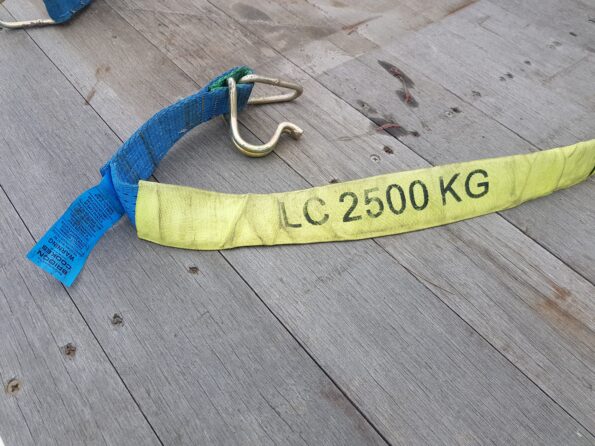
- Use clearly labelled, compliant restraint equipment
- Standardise inspection criteria across the fleet
- Reduce the number of restraint types drivers need to manage
Compliance should be built into the system, not dealt with under pressure when things are already crazy.
4. Training Time Caused by Inconsistent Equipment
Every variation creates friction:
- Different straps
- Different ratings
- Different load methods
- Different “ways we do it”
This slows:
- New driver onboarding
- Relief driver changeovers
- Cross-fleet consistency
How to get the time back:
- Reduce the number of equipment variations
- Align restraint methods across depots
- Make “how to secure the load” obvious and repeatable
When equipment is consistent, training becomes faster, and mistakes drop.
5. The Yard Bottleneck Nobody Talks About
The yard is where time either compounds or disappears.
- Drivers waiting for the “right gear”
- Forklifts paused while loads are adjusted
- Supervisors answering the same questions repeatedly
Multiply this by dozens of trucks per day, and suddenly your yard is your biggest productivity leak.
How to get the time back:
- Design the load process, don’t improvise it
- Ensure the right restraint and protection is available at the point of use
- Remove unnecessary decisions from the yard floor
A smoother yard means faster turnarounds, and happier drivers.
The Big Picture: Time Is a System Problem, Not a Driver Problem
Most fleets don’t lose time because people aren’t working hard enough.
They lose time because:
- Systems aren’t standardised
- Equipment isn’t fit-for-purpose
- Problems are managed reactively instead of prevented
The fastest fleets aren’t rushing, they’re designed for efficiency.
Check Out Our YouTube Channel
You May Also Be Interested In
Products

1m x 8mm Maxibinder
$120.00 ex GST
Portable Truck Fall Protection Barrier

Ratchet Strap Thrower
PVC A-Trailer Tarp
$3,200.00 ex GST
PVC Rigid Truck Tarp
Tarp Rope – 3.3m


Hand Pallet Wrap – Black
$19.00 - $29.00$19.00 - $29.00
LDPE Pallet Bags 1900mm x 25um
Ecoflute – Recycled Corflute Truck Boards 4mm x 1420mm x 1090mm
$4.00 – $11.00 ex GST