



























































































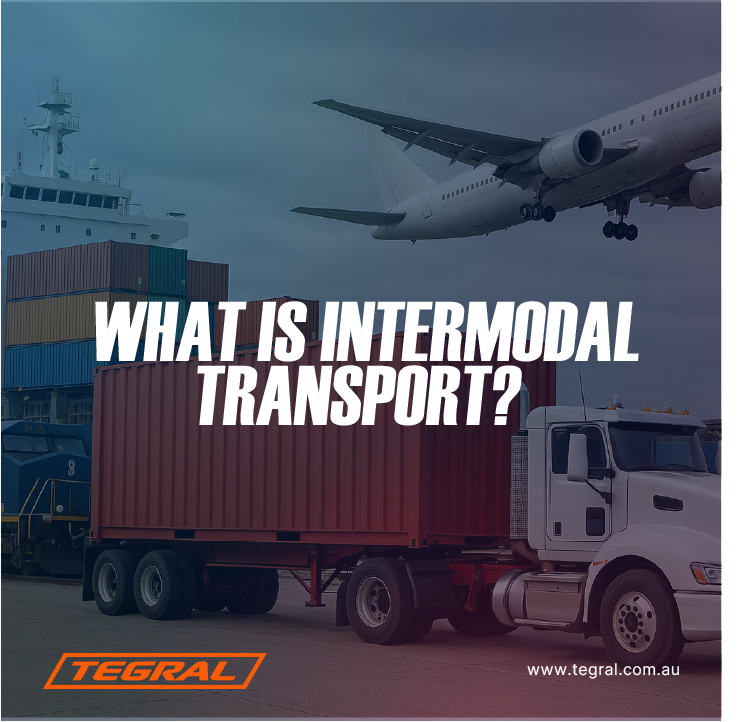
When it comes to moving goods efficiently across Australia, and the world, businesses rely on a range of transport solutions to keep freight moving safely and on time. One of the most versatile and cost-effective methods in modern logistics is intermodal transport. But what exactly is it, and why is it such an important part of the transport industry? Let’s break it down.
Understanding Intermodal Transport
Intermodal transport refers to the movement of goods using multiple modes of transport — such as road, rail, sea, and air — without handling the actual freight itself when changing from one mode to another. This is typically achieved by transporting cargo in standardised shipping containers or specialised units that can easily be transferred between different vehicles and transport networks.
For example, a container might be loaded at a manufacturing plant in Melbourne, carried by truck to a rail terminal, transported by train to Brisbane, and then delivered to its final destination by road — all without ever unloading the cargo from its container.
How Does it Work?
The key to intermodal transport is the seamless transfer of freight between transport modes. This is made possible through standardised equipment like:
- Shipping containers
- Swap bodies
- Flat racks
- Tank containers
These units are designed to be lifted, stacked, and secured efficiently onto trucks, trains, ships, or planes, reducing handling time and the risk of damage or loss.
The Benefits of Intermodal Transport
Intermodal transport offers a number of advantages for freight operators, logistics providers, and businesses, including:
- Cost Efficiency: Combining rail or sea with road transport can significantly reduce freight costs, especially over long distances.
- Reduced Handling: Freight remains within its container throughout the journey, minimising the risk of damage and loss.
- Improved Security: Sealed containers help protect cargo and improve overall security throughout the transport chain.
- Environmental Benefits: Using rail or sea for the long-haul components of a journey typically results in lower emissions compared to road transport alone.
- Flexibility: Intermodal systems provide access to a broader network of delivery options, making it easier to reach regional and remote locations.
When is Intermodal Transport Used?
Intermodal transport is particularly useful for:
- Long-distance freight movements
- International shipping
- Bulk and heavy goods transportation
- Industries requiring secure, sealed cargo (like dangerous goods or perishables)
It’s a go-to solution for companies looking to balance speed, cost, and reliability across complex supply chains.
Intermodal Transport in Australia
Australia’s vast distances and diverse geography make intermodal transport a practical and efficient option for many freight operators. With an extensive rail freight network, busy ports, and a robust road system, combining these transport modes allows businesses to optimise logistics, reduce costs, and improve delivery times.
The transport industry continues to invest in intermodal infrastructure, with new freight hubs, intermodal terminals, and rail connections being developed to support future growth.
You May Also Be Interested In
What does Line Haul mean in Trucking?
Endless Ratchet Tie Downs – What are they and how to use them?
What Gear You Need to Carry When Transporting Dangerous Goods
Choosing the Right Restraint System for Your Load | Tie-Down vs Direct Restraint
Check Out Our Youtube Channel
Products

Ratchet Strap Thrower
PVC A-Trailer Tarp
$3,200.00 ex GST
PVC Rigid Truck Tarp
$2,900.00 ex GST
Tarp Rope – 3.3m


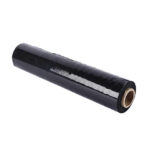
Hand Pallet Wrap – Black
$19.00 - $29.00$19.00 - $29.00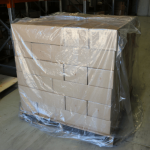
LDPE Pallet Bags 1900mm x 25um
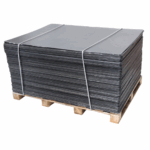
Ecoflute – 4mm Recycled Corflute Boards

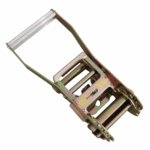
Ratchet Buckle 50mm x 2500kg
Original price was: $10.00.$9.00Current price is: $9.00. ex GST
Truck Safety Pole Bracket
$8.65 ex GST