





























































What Is Dunnage in Trucking?
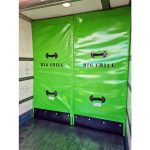
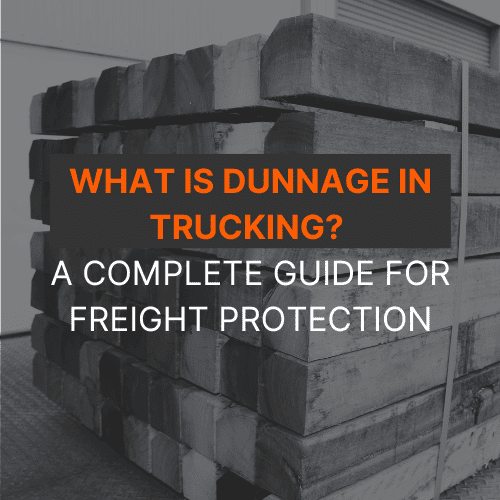
Dunnage refers to materials used to protect and secure cargo during transportation. Put simply, dunnage is what fills the empty spaces in trucks, shipping containers and other modes of transport. It acts as a buffer between items, absorbing shocks, preventing shifting, and reducing the impact of vibration or sudden movements inside a truck, container, or trailer. Dunnage is essential in industries like manufacturing, retail, and logistics, where goods must arrive undamaged to maintain efficiency and customer satisfaction.
Why Is Dunnage Important?
Without dunnage, cargo is at risk of shifting, breaking, or being crushed during transit. This not only leads to financial losses but can also create serious safety hazards for drivers and handlers. Properly used dunnage helps:
- Prevent freight damage by cushioning and securing loads.
- Improve load stability, reducing the risk of accidents.
- Comply with transport regulations that require safe cargo handling.
- Reduce costs associated with damaged goods and insurance claims.
Types of Dunnage used in Trucking
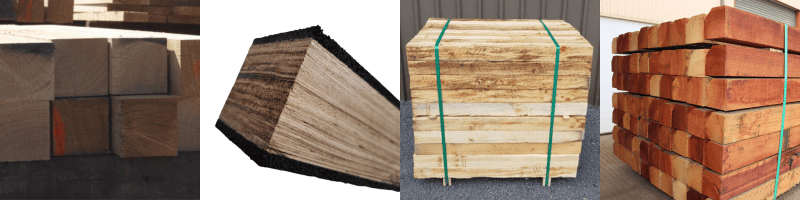
Timber Dunnage
- Commonly used in heavy-duty applications.
- Ideal for stabilising large, heavy loads.
- Often used with pallets, crates, and blocking & bracing techniques.
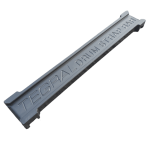
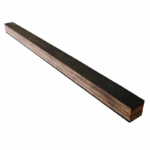
Different types of timber dunnage include hardwood, softwood, LVL and slanted timber.
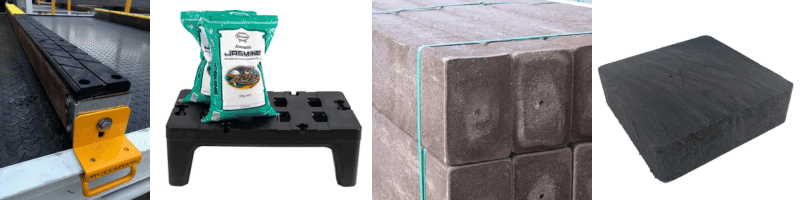
Plastic Dunnage
- Lightweight and reusable.
- Resistant to moisture, chemicals, and contaminants.
- Common in automotive and electronics shipping.
Different types of solid plastic dunnage include plastic pallets, plastic dunnage racks, rubber bearers and spacers.
Foam Dunnage
- Provides superior cushioning.
- Ideal for fragile and high-value items.
- Used for packaging sensitive products like glass, ceramics, and electronics.
Examples of foam dunnage include corn starch packing peanuts and foam that can be cut into shape.
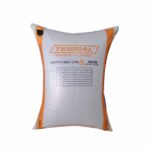
Airbags (Inflatable Dunnage)
- Fill gaps between cargo to prevent shifting.
- Quick to install and adjust.
- Used frequently in rail, ocean, and long-haul trucking.
These dunnage bags can come in very small or vary large sizes, depending on the size of the cargo being moved.

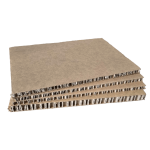
Corrugated Paper Dunnage
- Cost-effective and eco-friendly.
- Provides lightweight cushioning and separation.
- Used in retail and consumer goods shipping.
Best Practices for Using Dunnage in Trucking
To maximize the benefits of dunnage, truckers and logistics professionals should follow these best practices:
- Choose the Right Dunnage for Your Cargo – Match the dunnage material to the weight, fragility, and transportation method of your goods.
- Fill Empty Spaces – Gaps between freight should be minimized using airbags or other cushioning materials.
- Distribute Weight Evenly – Uneven loads can cause instability and increase the risk of tipping or shifting.
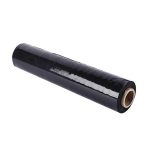
- Secure Dunnage Properly – Use straps, shrink wrap, or fasteners to keep dunnage in place.
- Inspect and Replace When Needed – Reusable dunnage should be checked regularly for wear and tear
You May Also be Interested In
Comparing Dunnage Options for Truck Loads: Pros and Cons
Top 10 Scenic Trucking Routes in Australia: Must-Drive Roads for Truckies
Tegral’s Pallet Armour: An Industry Innovation
How Long is an Australian Road Train?
Check Out Our YouTube Channel
Products
Tarp Rope – 3.3m

Hand Pallet Wrap – Black
$19.00 - $29.00$19.00 - $29.00
LDPE Pallet Bags 1900mm x 25um
Ecoflute – 4mm Recycled Corflute Boards

Ratchet Buckle 50mm x 2500kg
Original price was: $10.00.$9.00Current price is: $9.00. ex GST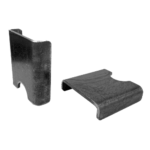
Truck Safety Pole Bracket
$8.65 ex GST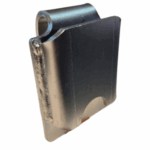

Emergency Response Guide AS/NZ 2024
Adjustable Ergo Shoring Bar F-Track

Overpack Label 50mm x 95mm – Roll of 500
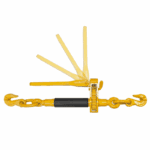
QuickBinder – 8mm, 10mm, 13mm
$72.00 - $140.00$72.00 - $140.00