












































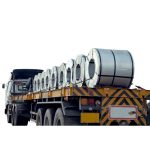

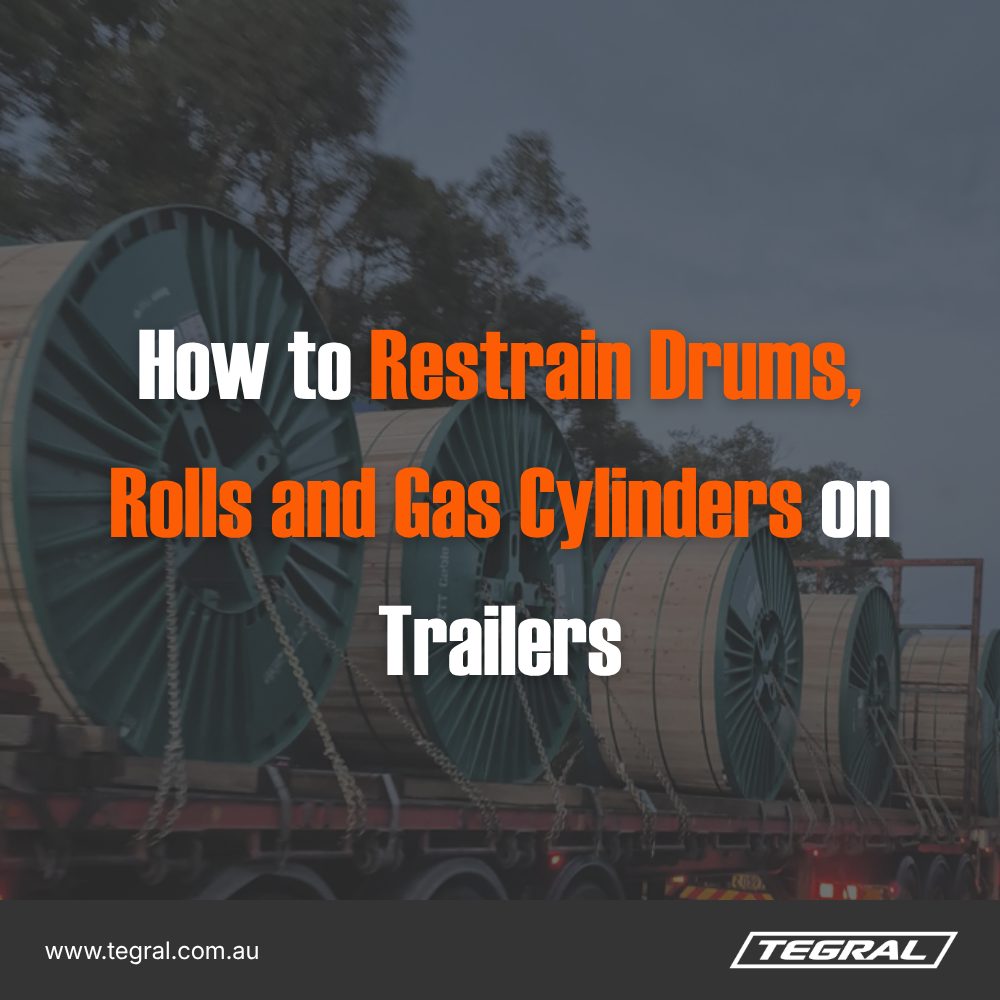
Drums, rolls, reels, coils and gas cylinders can do two things flat freight can’t: roll and topple. Restraining them well comes down to two things: using the right gear, and making sure tall items can’t tip over even when they’re lashed.
The national Load Restraint Guide 2025 calls these loads “cylinders” and names paper rolls, 200 litre drums and gas cylinders as classic examples of potentially unstable tall loads. Here’s the equipment it recommends, then how to keep them upright.
The Gear You’ll Need
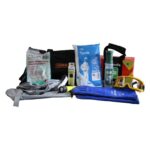
Most cylinder loads use a combination of these products. Each one does a different job, and the guide has specific tips for using them well.
| Product | What it does | Tips from the guide |
|---|---|---|
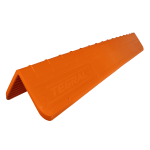
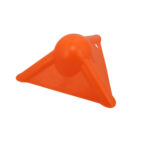
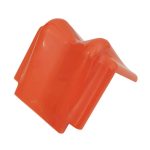
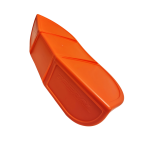
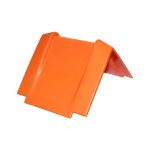
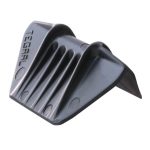
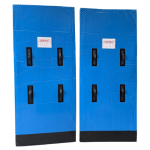
| Corner protectors and core inserts | Sit between the lashing and the item, protecting both | Use angled-edge corner protectors or fabricated core inserts. They also stop lashings slipping, and rigid protectors let you reach full pre-tension. |
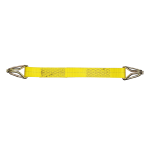
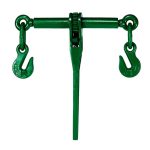
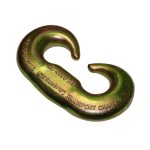
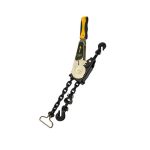
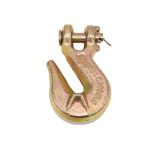
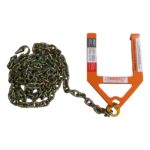
| Chain and tensioners | Strong, low-stretch lashing for heavy or tall items | Chain is preferred for stopping tall loads tipping because it stretches less. Use turnbuckles (about 1,000 kgf pre-tension). Over-centre ‘dogs’ are strongly discouraged. |
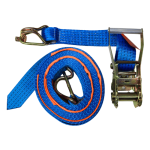
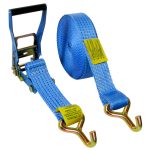
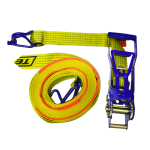
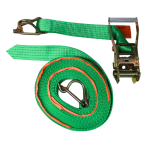
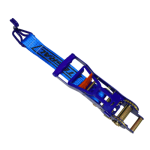
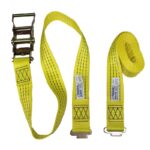
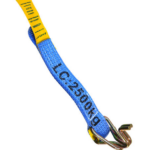
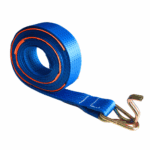
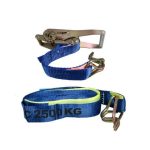
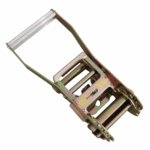
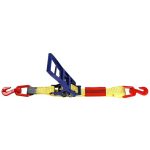
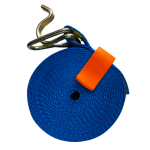
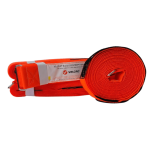
| Webbing straps and ratchets | Tie-down and direct lashings for most loads | A 50 mm pull-down ratchet gives about 600 kgf, double a push-up ratchet. Keep at least 1.5 wraps on the spool. Webbing can stretch, so recheck it often. |
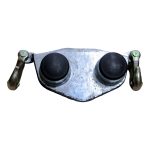
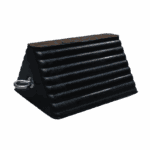
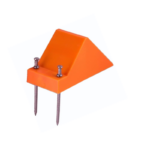
| Chocks, cradles and wedges | Stop horizontal cylinders rolling | Wedge angle at least 39°. Restrain chocks separately, size them to fit snugly, and face metal chocks with timber or rubber. Never use sandbags during transport. |
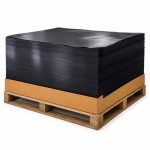
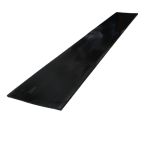
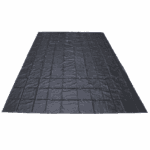
| Anti-slip rubber mats | Add friction under the load | Can reduce the number of lashings needed, especially for slippery loads. Effective in wet and dry conditions. |
| Interlayer packing | Adds friction between stacked layers | Use rubber or anti-slip mat between low-friction layers. Don’t use conveyor belt or pallet slip-sheets, which are too slippery. |
| Headboards and rated gates | Block the load from moving | Push upright cylinders against the headboard. Lightweight gates often can’t hold heavy drums or rolls on their own. |
| Pallets and unitising | Group small items into one stable unit | Unitise small rolls and reels on pallets, then tie them down. Every cylinder needs a lashing unless it’s unitised to a pallet. |
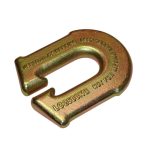
Whichever gear you use, check it’s rated, in good condition, and assess the system at its weakest point. For example, grab hooks can be weaker than the chain they’re on. Don’t mix chains and straps on the same load, and never rely on tarps or curtains alone.
How to Stop Cylinders from Tipping
A tall load can be lashed perfectly at its base and still topple under heavy braking or cornering. Start by checking whether it’s stable on its own base.
The 80% / 50% rule
- Forwards: a load can tip forwards if the length of its base is less than 80% of its height.
- Sideways: a load can tip sideways if the width of its base is less than 50% of its height.
The forwards figure is higher because braking forces (0.8 g) are bigger than cornering forces (0.5 g).
| Load height | Base length needed (forwards) | Base width needed (sideways) |
|---|---|---|
| 1.0 m | 0.8 m | 0.5 m |
| 1.5 m | 1.2 m | 0.75 m |
| 2.0 m | 1.6 m | 1.0 m |
Watch the dunnage too. A load sitting on timber that’s narrower than its own base is also unstable.
Stand it up or lay it down?
- Shorter than it is wide (length less than diameter): transport it standing on its end.
- Longer than it is wide: lay it horizontally, or stand it only against suitably engineered vehicle structures that support it.
Keeping tall loads upright
- Block against the headboard. Place tall items against a rigid, suitably engineered structure, or make sure they’re supported by surrounding product.
- Group unstable items. Strap several tall items together to form a stable pack.
- Tension fully. Fully tensioned lashings increase stability.
- Use chain where possible. Webbing can stretch too much to stop tall rolls toppling.
- Restrain sideways with tie-down or opposed loops against the headboard.
- Add direct lashings if more restraint is needed to stop tipping.
- Don’t tie drums to a centre post. They can still move sideways.
- Recheck during the trip. Rope and webbing can stretch and loosen.
Tall loads also raise the vehicle’s centre of gravity, so take corners more slowly.
A Note on Gas Cylinders
Gas cylinders are tall and narrow, so they fail the base-to-height test easily. All the tipping advice above applies, especially blocking against a headboard, grouping them and using low-stretch chain.
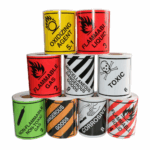
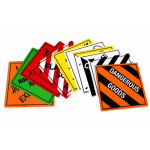
Most gas cylinders are also dangerous goods. The guide says loads with a dangerous goods class label may have specific restraint requirements under the Australian Code for the Transport of Dangerous Goods by Road & Rail. For LP gas, it also lists AS 5714, the standard on load restraint for LP gas cylinder distribution.
The Bottom Line
Get the gear right first: corner protectors, the right lashings and tensioners, chocks for anything lying down, and anti-slip rubber underneath. Then check the base-to-height ratio and block, group and tension so tall items can’t tip.
If you’re using a method the guide doesn’t cover, it’s worth having your system certified by a qualified engineer.
You May Also Be Interested In
How Tegral Helps Transport Managers Hit Their Sustainability Goals
Why Do Ratchet Straps Loosen During a Journey?
Direct Restraint vs Friction Restraint: Which Method Suits Your Load?
Who’s Liable? A Guide to the Chain of Responsibility in Load Restraint
Check Out Our YouTube Channel
Products
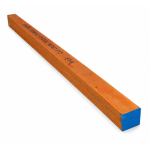
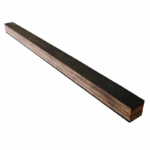
100mm x 100mm x 2400mm E-Dunnage Timber
