






















































Maintaining the correct cargo temperature is not only about having a refrigerated truck. Temperature-sensitive freight can be exposed to unwanted heat gain or temperature loss while it is waiting in the yard, being loaded, travelling between depots or being delivered to the customer.
A few practical changes to the way freight is prepared, loaded and protected can help reduce temperature fluctuations, prevent product damage and support a more reliable cold chain.
1. Start With Cargo at the Correct Temperature
Refrigerated vehicles are designed to maintain temperature, not rapidly cool down warm products.
Before loading, make sure the cargo has reached its required transport temperature. Loading warm freight into a chilled vehicle places additional pressure on the refrigeration system and can affect the other products already inside.
Where possible, pre-cool the trailer or van before loading and avoid leaving temperature-sensitive pallets sitting in an unrefrigerated area.
2. Protect Pallets While They Are Waiting
Some of the greatest temperature exposure can happen before the vehicle even leaves the depot.
Pallets may sit on a loading dock, in a staging area or outside while paperwork and loading are completed. During this time, chilled goods can warm up, frozen goods can begin to soften and heat-sensitive products can be exposed to direct sunlight.
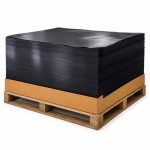
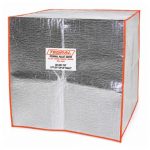
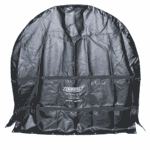
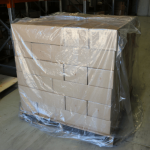
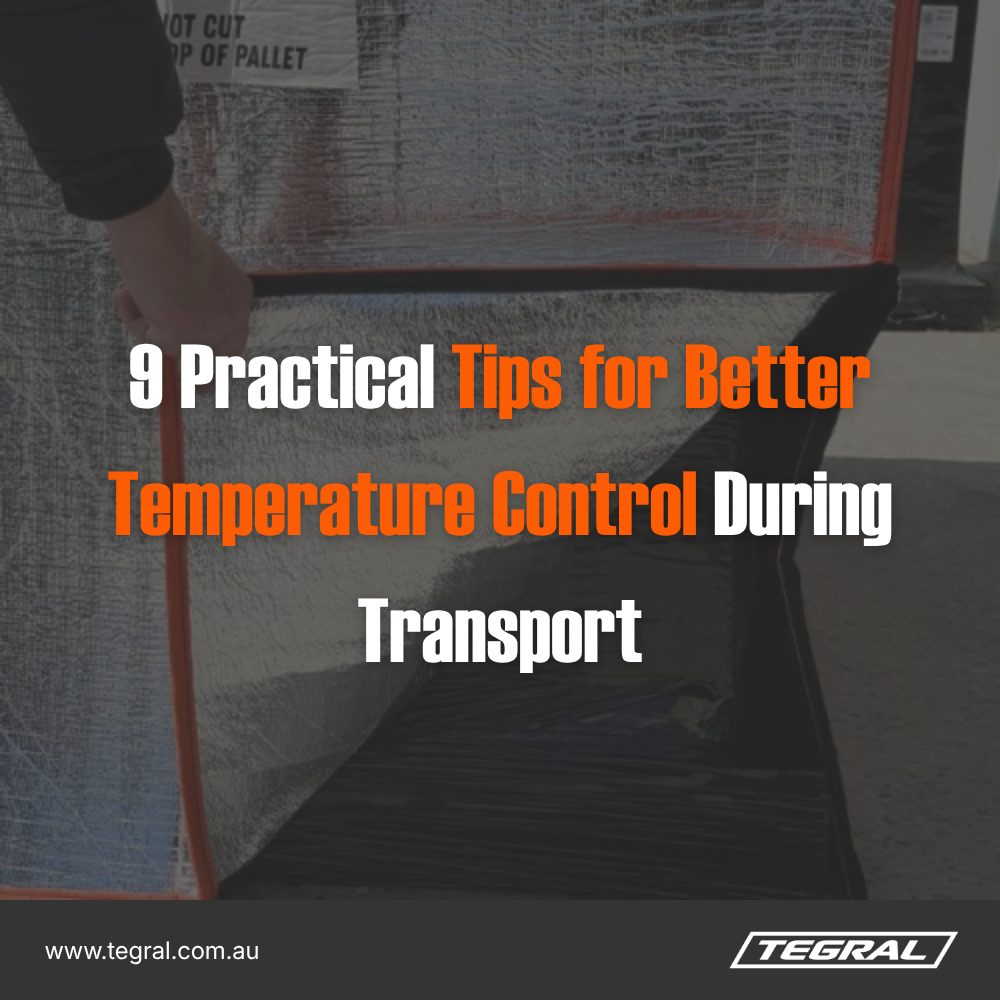
A Temp Armour Insulated Thermal Pallet Cover provides an additional protective layer around the pallet during staging, loading, transport and delivery. Its one-piece construction allows it to be installed quickly, while the reusable design makes it suitable for regular transport operations.
Temp Armour covers can help smooth unwanted temperature fluctuations for both hot and cold loads. They are also available in different sizes, with custom sizing and branding options for specific fleet requirements.
3. Create Separate Temperature Zones
Carrying frozen, chilled and ambient products in the same vehicle can improve fleet efficiency, but only when the temperature zones are properly separated.
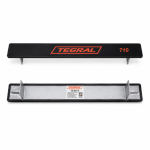
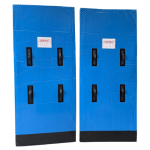
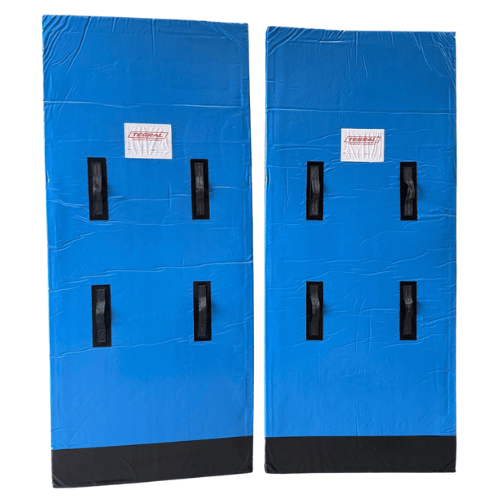
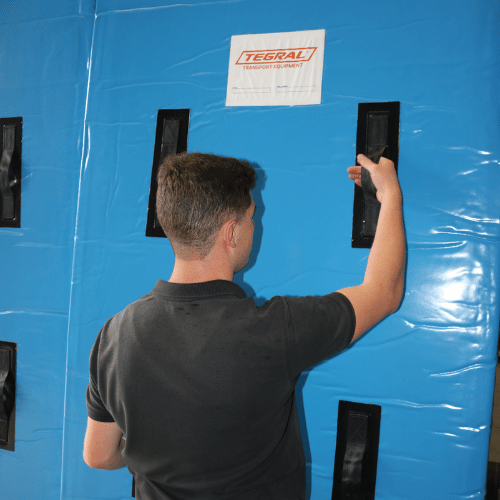
TempWise Freezer Mats, also known as freezer boards, chiller boards or thermal barriers, can be used to divide the load space into separate temperature zones. This makes it possible to carry products with different temperature requirements in the same trailer.
Tegral’s TempWise Freezer Mats feature a 70mm closed-cell foam insulation core, a tough 900gsm PVC outer skin and an HDPE skid base to help protect the barrier during handling. They can also be custom-made to suit the internal dimensions of the vehicle.
For the best result, the barrier should fit closely against the trailer’s walls, floor and roof. Even a small, unsealed gap can allow unwanted air movement between temperature zones.
4. Reduce the Time Doors Stay Open
Every time the doors are opened, conditioned air escapes and warmer outside air enters the load space.
Before opening the vehicle, make sure:
- The receiving area is ready
- The correct pallet is accessible
- Loading equipment is available
- Delivery paperwork has been prepared
- Staff know the loading or unloading sequence
When planning a multi-drop route, load freight in delivery order wherever practical. This reduces the time spent searching for pallets with the doors open.
For deliveries where a pallet may be removed from the refrigerated vehicle and taken through a warm yard, warehouse or loading area, a thermal pallet cover can continue protecting the load during the handover.
5. Use Thermal Bubble Wrap for Flexible Protection
Not every load requires a custom thermal cover or a permanent insulated divider.
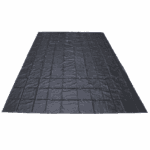
Thermal Foil Bubble Wrap Insulation can be cut to size and used around individual items, pallets or sections of a container. It can also be used to line trailers, containers and temporary storage areas where additional protection from temperature change, radiant heat and condensation is required.
Tegral’s thermal foil bubble wrap is supplied in a 1.5m x 100m roll and is 10mm thick. Its lightweight and flexible construction makes it useful for unusual load shapes, short-term transport requirements and custom insulation projects.
When wrapping cargo, pay particular attention to the top, corners and base of the load. These areas are commonly left exposed and can allow heat to enter or escape.

6. Maintain Airflow Around the Load
Overpacking a refrigerated vehicle can restrict airflow and create warm or cold spots inside the load space.
Do not place freight directly against air outlets unless the vehicle or product requires it. Allow enough space for conditioned air to circulate around the load, and follow the vehicle manufacturer’s loading recommendations.
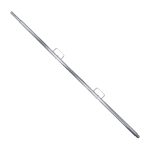
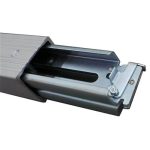
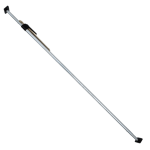
The load must also remain stable during transport. Shoring bars, track-mounted restraint systems and suitable load restraint equipment can help prevent pallets from moving into designated airflow spaces.
Always select restraint equipment based on the load, vehicle and applicable load restraint requirements.
7. Match the Protection to the Journey
Temperature-control requirements can vary considerably between loads.
Consider:
- The required product temperature
- Journey length
- Number of deliveries
- Expected outside temperature
- Time spent on loading docks
- Whether the load will change vehicles
- Whether frozen, chilled and ambient freight will travel together
- How often the vehicle doors will be opened
A direct refrigerated delivery may only need additional pallet protection during loading and unloading. A multi-drop route may benefit from both individual thermal pallet covers and an insulated barrier separating different temperature zones.
There is no single solution for every load. The best setup considers the complete journey from the point the product leaves storage until it reaches the customer.
8. Monitor and Record Temperatures
Insulation slows down temperature change, but it does not actively cool or heat the product.
Use suitable temperature-monitoring equipment to check conditions throughout the journey. Depending on the cargo and customer requirements, this may include vehicle sensors, data loggers or individual pallet temperature indicators.
Monitoring can help identify recurring problems such as:
- Long loading times
- Poorly sealed doors
- Incorrect refrigeration settings
- Restricted airflow
- Damaged thermal barriers
- Excessive exposure during deliveries
These records can also help operators improve loading procedures and investigate temperature-related claims.
9. Inspect Thermal Equipment Regularly
Thermal protection equipment performs best when it is clean, dry and in good condition.
Before use, inspect covers, freezer mats and insulation for:
- Tears or punctures
- Damaged seams
- Worn closures
- Contamination or moisture
- Compressed or exposed insulation
- Damage caused by pallets or forklifts
Clean reusable equipment according to the manufacturer’s recommendations and store it somewhere dry when not in use. Small areas of damage should be repaired early before they become larger and affect the equipment’s performance.
Build a More Reliable Temperature-Control Setup
Effective temperature control is a combination of correct product preparation, efficient loading, suitable refrigeration, good airflow, monitoring and the right thermal protection equipment.
Tegral supplies practical solutions for temperature-sensitive freight, including Temp Armour Insulated Thermal Pallet Covers, TempWise Freezer Mats and Thermal Foil Bubble Wrap Insulation. Custom sizes and designs are also available to suit different pallets, vehicles and transport operations.
Speak with the Tegral team to find the right thermal protection setup for your freight.
You May Also Be Interested In
How Tegral Helps Transport Managers Hit Their Sustainability Goals
How to Prevent Shoulder Injuries in Transport Operations
Where Fleet Managers Lose the Most Time: And How to Get it Back
How to Prevent Container Rain: A Guide to Shipping Container Desiccants
Check Out Our YouTube Channel
Products
100mm x 100mm x 2400mm E-Dunnage Timber
