












































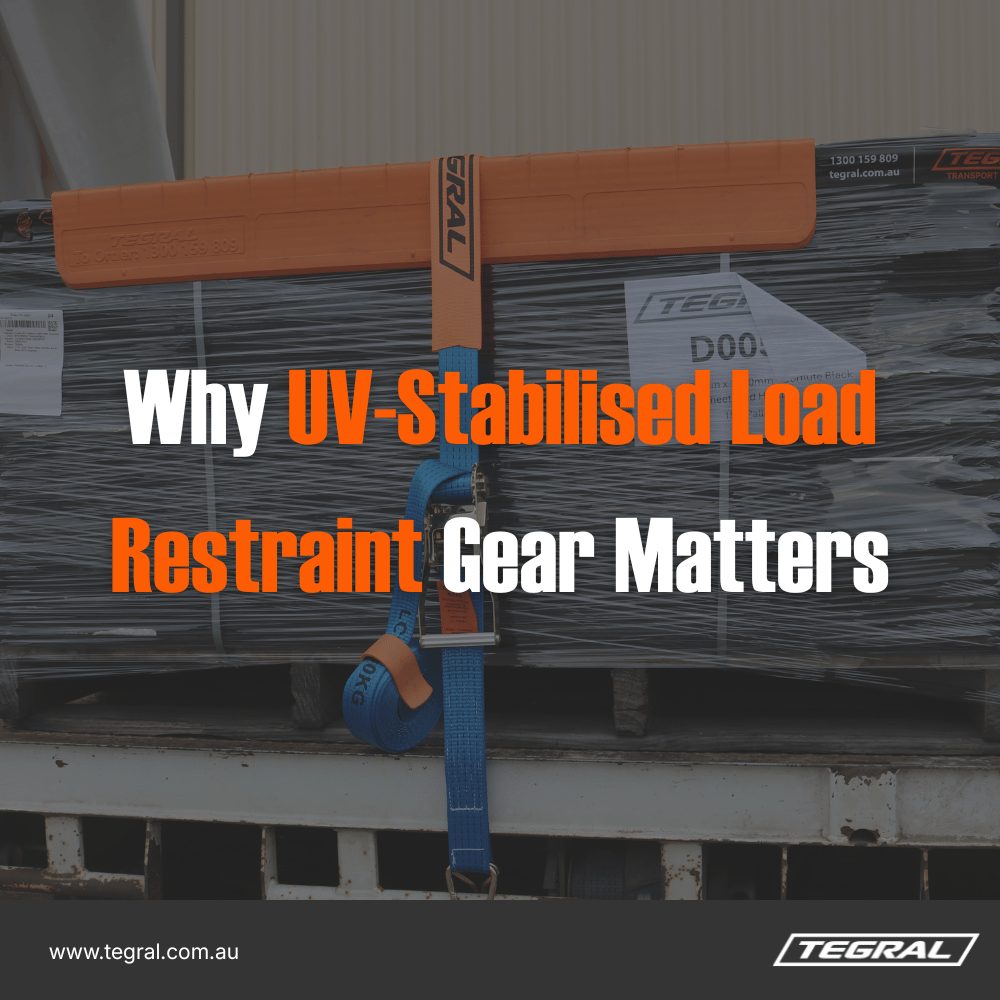
If you’re running trucks in Australia, you’re operating under some of the harshest UV conditions on the planet. Between blazing summers, long-haul days, and constant outdoor exposure, your load restraint equipment takes a beating, often faster than operators realise.
When straps, DG labels, pallet angles, or other restraint gear degrade under UV light, the consequences aren’t just cosmetic. They affect safety, compliance, reliability, and cost.
That’s why UV-stabilised load restraint gear is no longer a “nice to have” – it’s essential.
How UV Exposure Damages Load Restraint Equipment
Most load restraint materials, polyester webbing, polypropylene plastics, and labels, break down when exposed to ultraviolet light.
UV damage can cause:
- Loss of tensile strength
- Fading and discolouration
- Brittleness and cracking
- Reduced ability to hold tension
- Compliance failures
- Sudden, unpredictable equipment failure
Australian operators experience far greater UV intensity than fleets in Europe or North America. The result? Gear can weaken dramatically in months if not properly protected.
The Impact of UV on Straps, DG Labels, and Pallet Angles
UV exposure doesn’t affect everything equally, but it does compromise every part of your restraint setup in different ways.
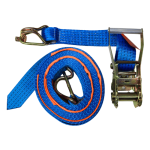
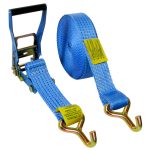
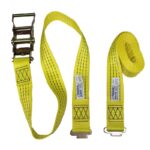
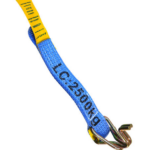
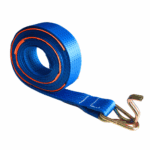
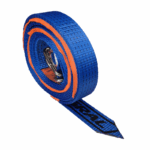
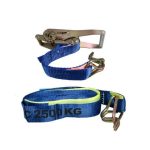
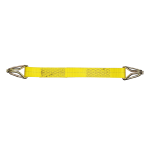
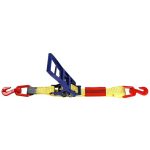
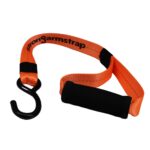
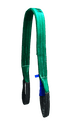
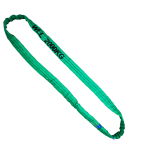
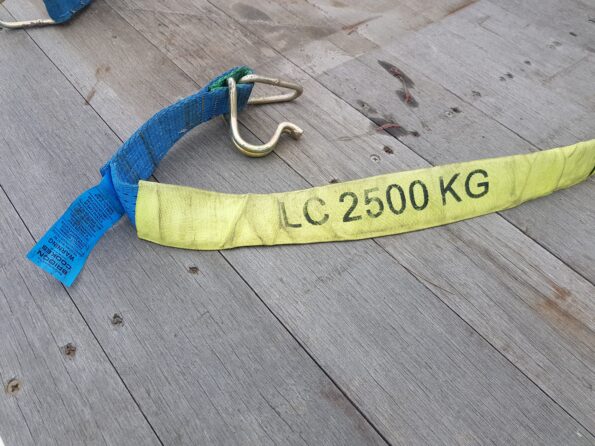
Ratchet Straps & Webbing: Strength Loss and Failure
Polyester webbing is especially vulnerable.
UV damage causes:
- Reduced tensile strength
Even a strap that looks fine may have lost 20–50% of its original LC. - Stiff, brittle fibres
The webbing becomes more likely to tear or snap under tension. - Rapid colour fade
A fading strap is a warning sign of structural deterioration. - Poor pre-tension performance
UV-damaged fibres stretch more and hold tension less effectively.
In load restraint, a weak strap can cause serious load shift, especially when restraining steel, heavy pallets, or high-risk freight.
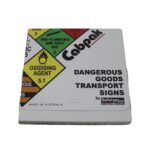
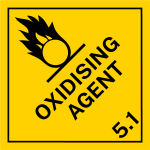
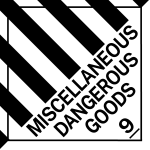
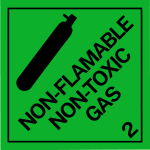
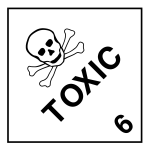
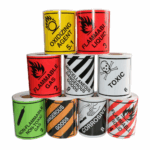
DG Labels & Safety Decals: Fading, Peeling, and Non-Compliance
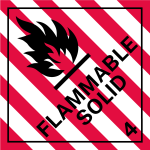
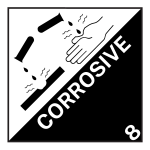
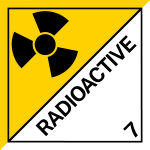
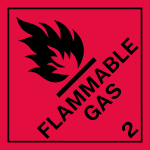
Dangerous Goods labels and limited-quantity decals must stay visible, legible, and compliant at all times.
UV exposure can lead to:
- Faded colours and symbols
Red diamonds turn pink; text loses contrast, making labels non-compliant. - Peeling or cracking
Adhesives dry out, causing labels to curl or fall off. - Illegible hazard classifications
A faded “3” or distorted flame symbol can lead to misidentification of dangerous goods. - Frequent replacement
Cheap, non-UV-stabilised labels may last only weeks in Australian summer.
A faded DG label isn’t just a maintenance issue, it’s a Chain of Responsibility risk.
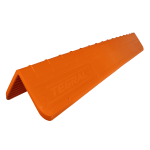
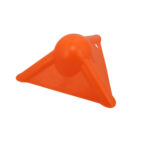
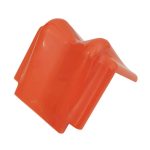
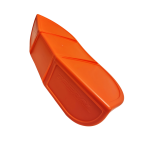
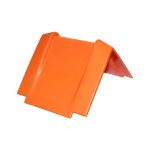
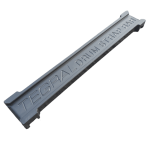
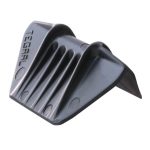
Pallet Angles & Corner Protectors: Warping and Structural Breakdown
Polypropylene and ABS plastics degrade quickly under UV unless stabilised during production.
Common UV-related issues include:
- Warping or softening
Angles bend or distort, reducing their ability to spread strap pressure. - Brittleness
Corners crack, especially around cut-outs or high-stress areas. - Surface chalking
A powdery residue indicates polymer breakdown. - Reduced durability under load
When angles weaken, straps dig in, packaging tears, and loads shift.
UV-stabilised pallet angles maintain shape, strength, and reliability even after thousands of hours of sun exposure.
Why UV-Stabilised Gear Matters for Safety & Compliance
Australian load restraint standards, including AS/NZS 4380 and the NHVR Load Restraint Guide, require equipment to maintain its rated strength and condition.
UV-damaged gear can lead to:
- Failed roadside inspections
- Non-compliance with LC ratings
- Increased risk of load movement or collapse
- Chain of Responsibility exposure
- Higher long-term operating costs
UV-protected gear maintains its integrity for significantly longer, giving fleets consistency, reliability, and peace of mind.
Tegral’s UV-Stabilised Load Restraint Range
At Tegral, we manufacture and source equipment built specifically for Australian conditions.
Our UV-stabilised range includes:
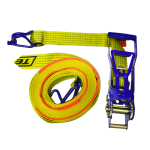
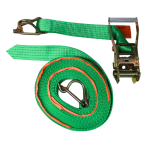
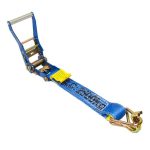
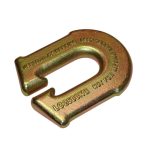
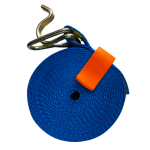
- Ratchet Tie-Downs (UV-protected polyester webbing)
- Strap Keepers
- DG Labels, Limited Quantity Decals & Placards
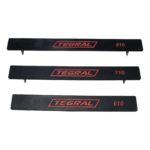
- Pallet Angles & Corner Protectors
This ensures longer product life, consistent performance, and reduced replacement frequency.
You May Also Be interested In:
Steel Transport: What Gear You Need When Starting Out
Fragile Transport – Glass, Panels and Fragile Freight: Load Restraint Without Damage
Trailer Types & Trailer Bodies in Australian Trucking
How to Check If Your Load Restraint Setup Is Compliant
Check Out Our YouTube Channel
Products

1m x 8mm Maxibinder
$120.00 ex GST
Portable Truck Fall Protection Barrier
Ratchet Strap Thrower
PVC A-Trailer Tarp
$3,200.00 ex GST
PVC Rigid Truck Tarp
Tarp Rope – 3.3m

Hand Pallet Wrap – Black
$19.00 - $29.00$19.00 - $29.00
LDPE Pallet Bags 1900mm x 25um
Ecoflute – Recycled Corflute Truck Boards 4mm x 1420mm x 1090mm
$4.00 – $11.00 ex GST