



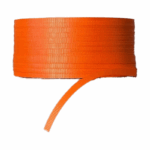
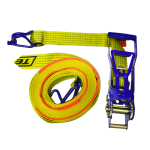
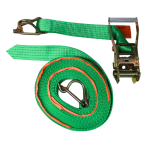
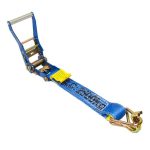
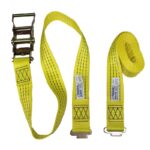

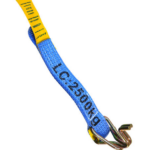
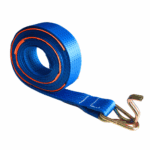








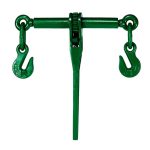

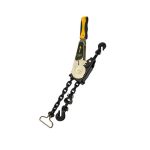



















































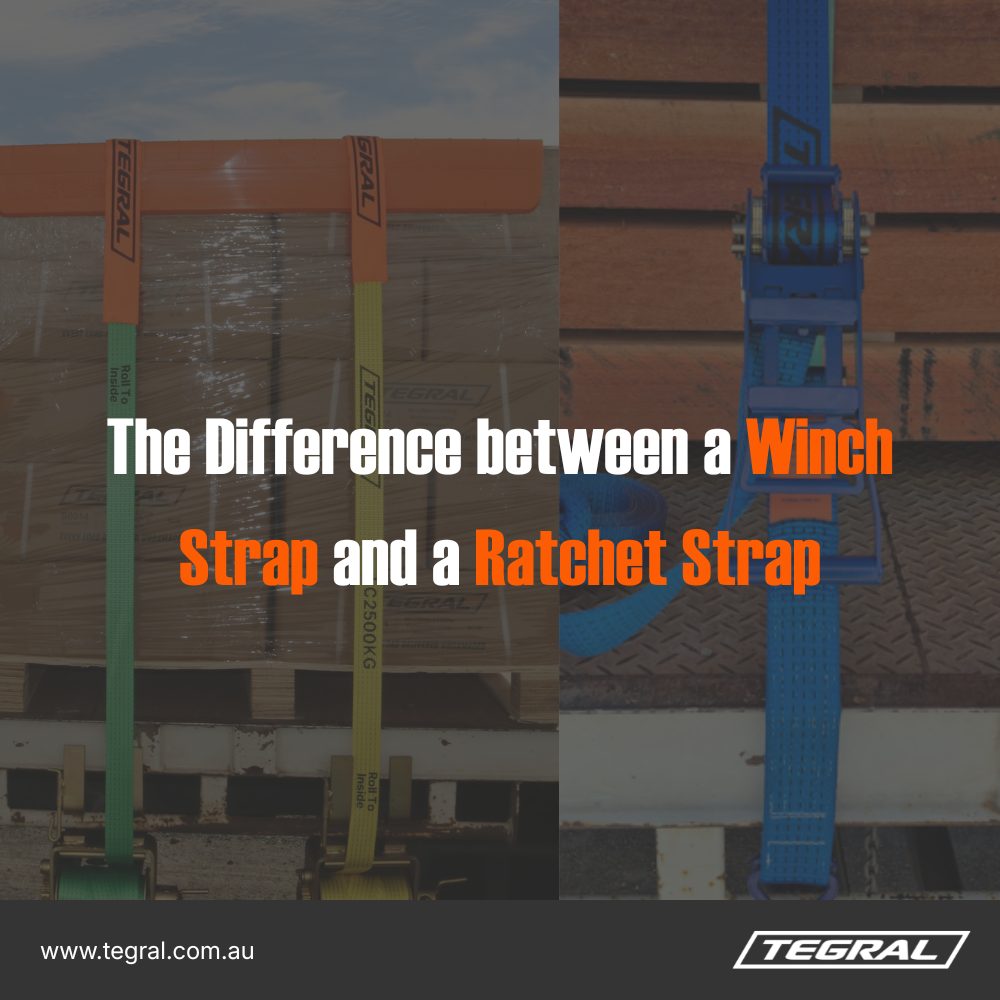
Two of the most commonly used tensioning options in transport are winch straps and ratchet straps. What is the difference between winch straps and ratchet straps? And why use one or the other? We’ll dive into these questions in this blog.
What Is a Winch Strap?
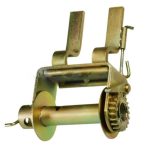
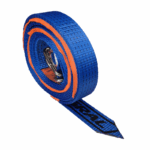
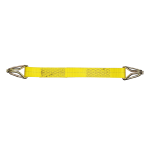
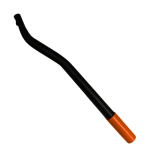
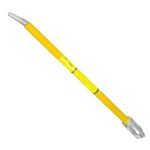
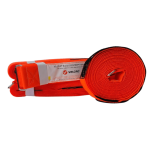
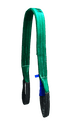
Winch straps are designed specifically for trailers fitted with winches. Instead of a built-in ratcheting mechanism, the strap feeds into a truck-mounted winch, which is tightened using a winch bar. The strap has a folded end so that the strap does not slip out of the winch during transit.
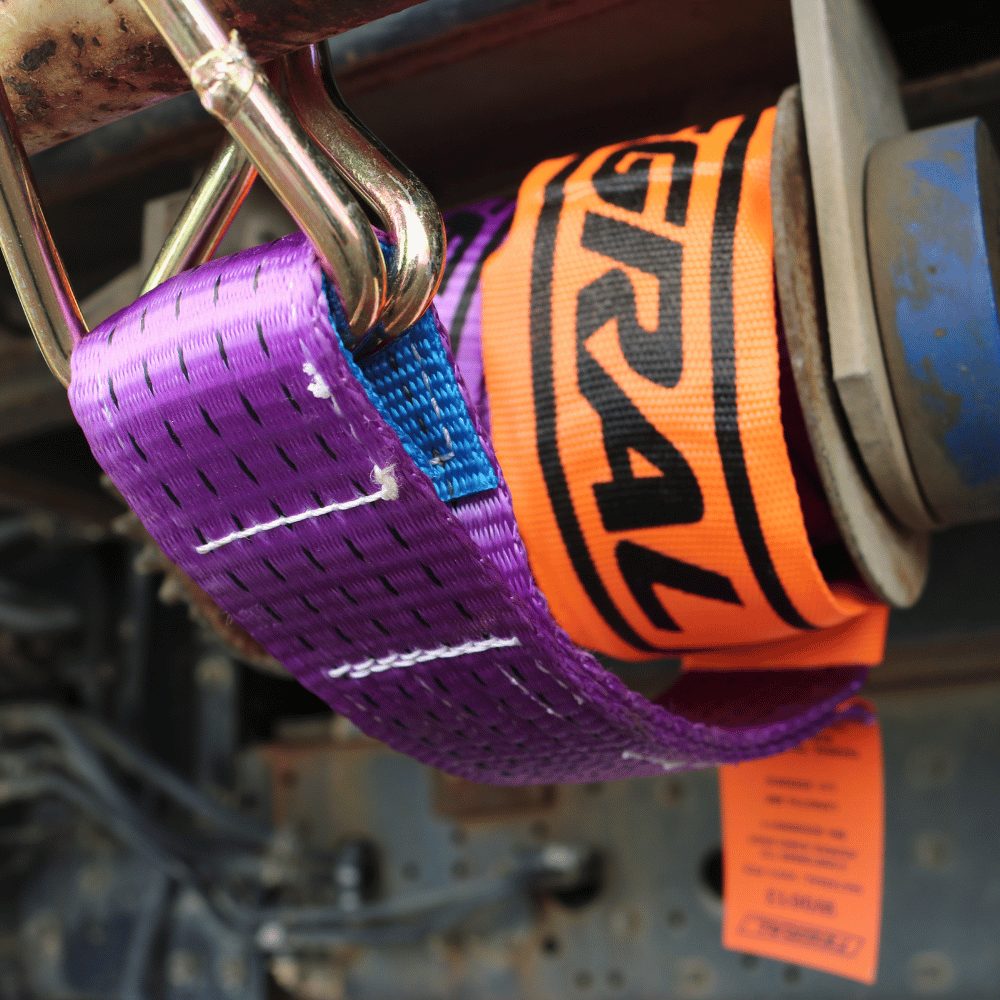
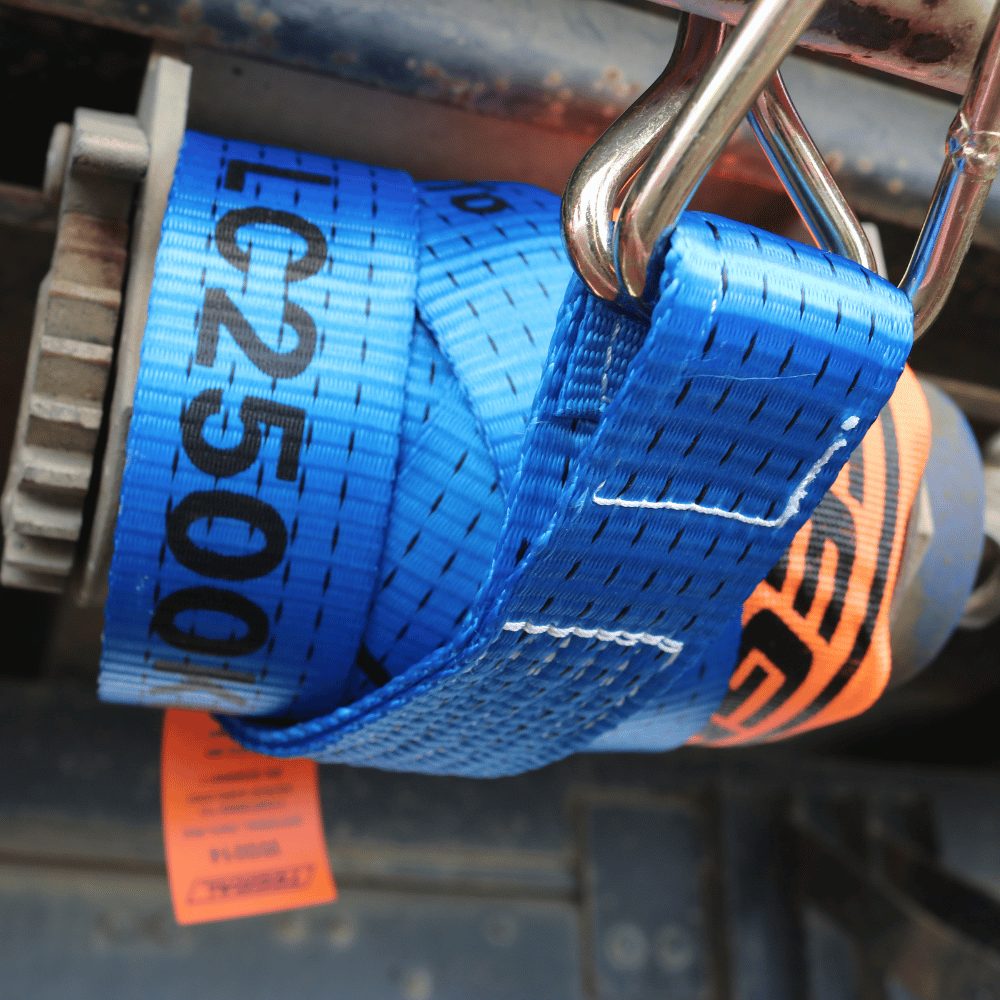
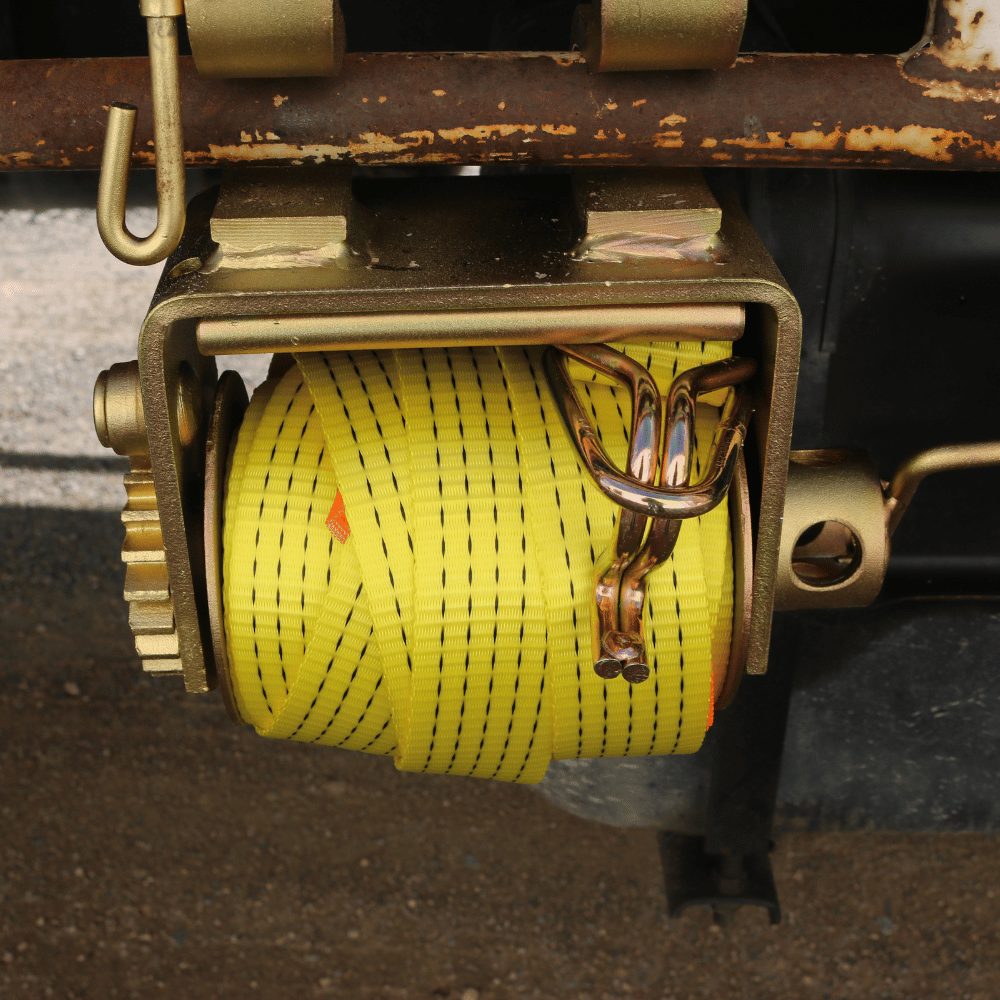
Key characteristics:
- No ratchet attached to the strap
- Designed to work with truck or trailer winches
- Typically longer than ratchet straps
- Ideal for heavy, wide, or awkward loads
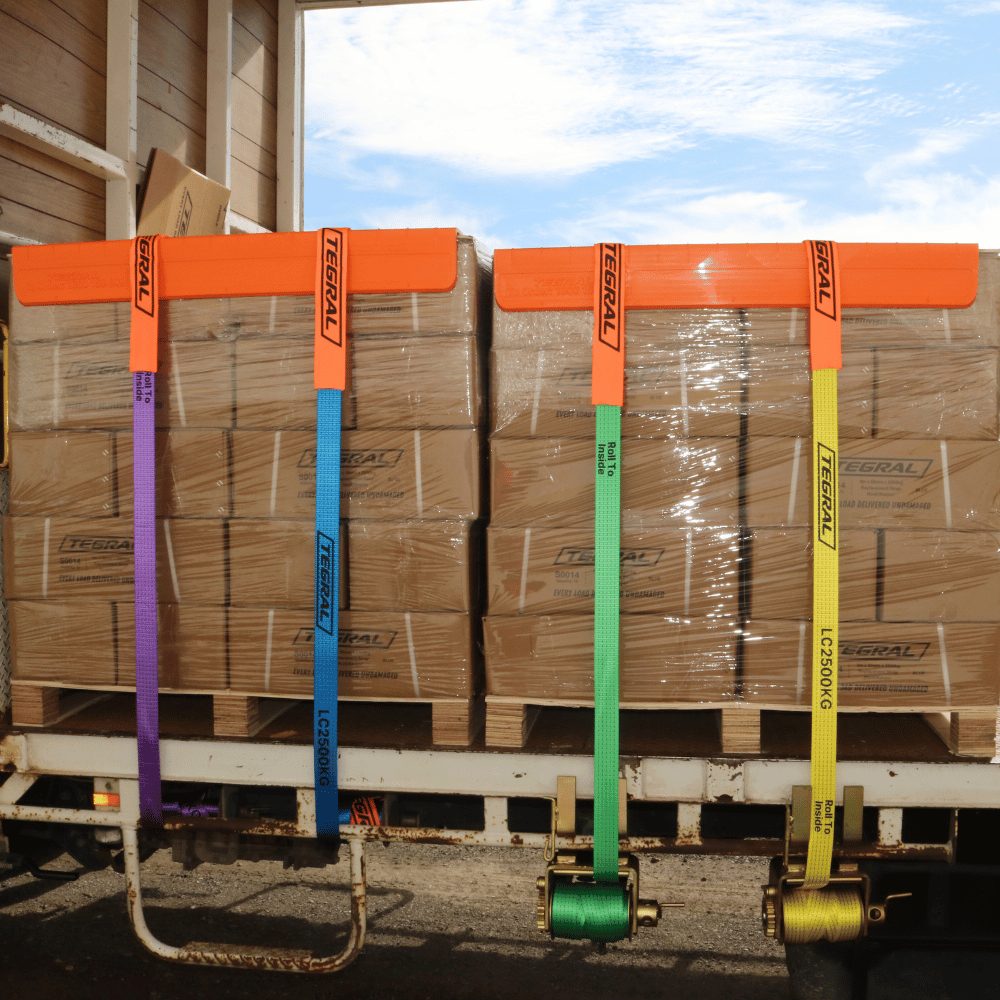
Winch straps are fast to deploy and allow drivers to tension multiple straps quickly along the length of a trailer, a big advantage in high-volume operations.

What Is a Ratchet Strap?
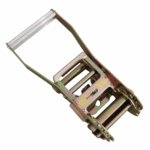
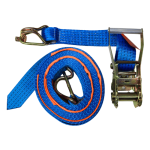
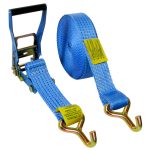
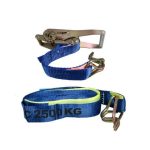
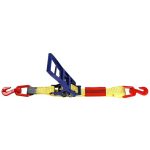
Ratchet straps are self-contained, meaning the ratchet mechanism is built into the strap itself. This makes them extremely versatile and easy to use across a wide range of transport applications. As opposed to the winch strap, ratchet straps do not have a folded end on the replacement strap, so that the strap glides easily through the ratchet.
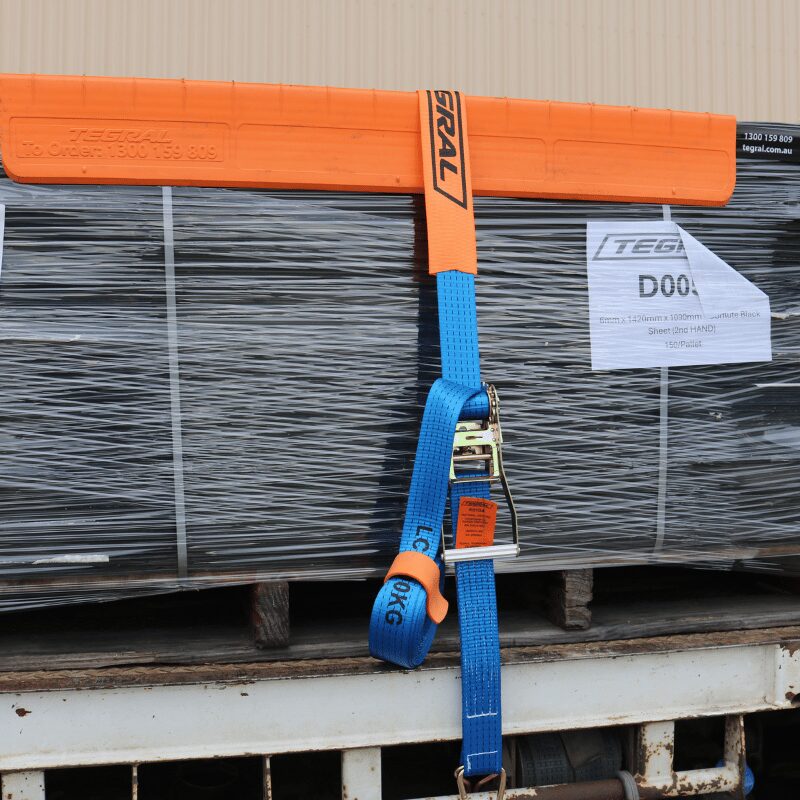
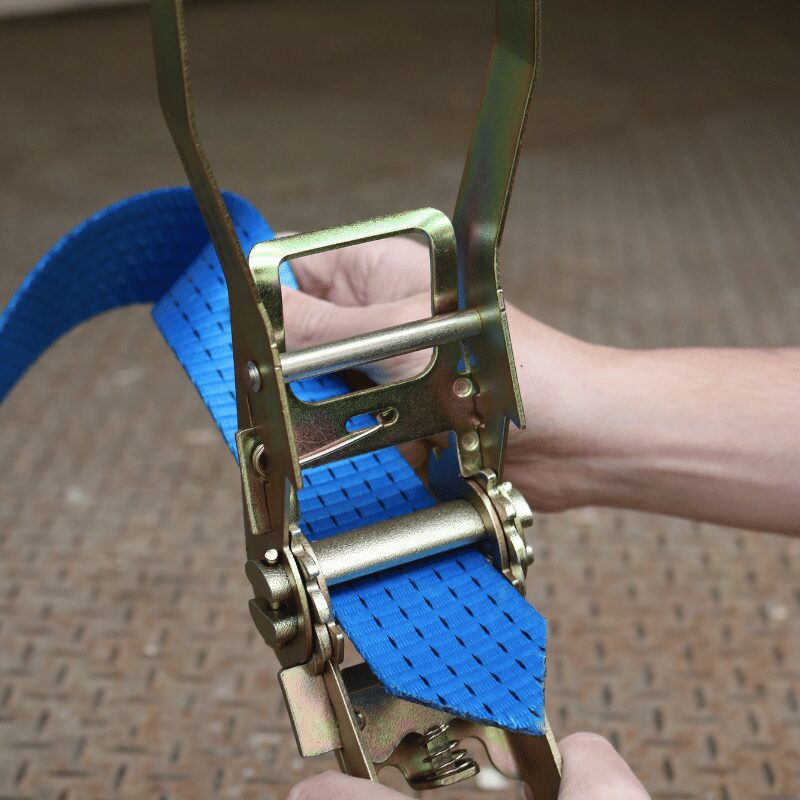
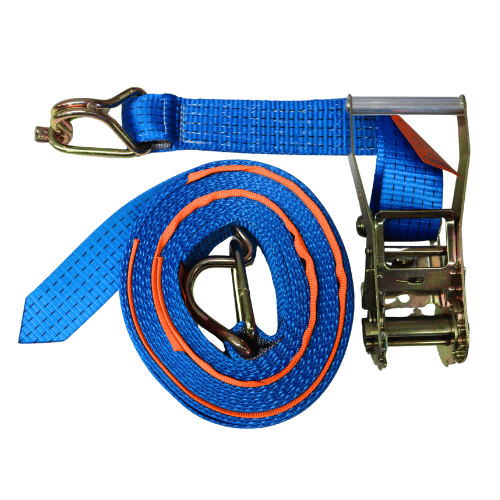
Key characteristics:
- Built-in ratchet tensioner
- Shorter overall length than winch straps
- Easy to tension and release by hand
- Can be used on vehicles without winches
Ratchet straps are ideal when you need precise control over tension or when the vehicle isn’t fitted with winches.
Side-by-Side Comparison
| Feature | Winch Strap | Ratchet Strap |
|---|---|---|
| Tensioning method | Truck-mounted winch | Built-in ratchet |
| Vehicle requirement | Requires winch system | No special hardware |
| Speed for multiple straps | Very fast | Slower for large loads |
| Precision tensioning | Moderate | High |
Which Strap Should You Use?
The short answer: it is a personal preference.
Using the correct strap helps reduce load movement, speeds up loading and unloading, and ensures you’re meeting load restraint best practices.
If you’re ever unsure which option suits your operation, it’s worth assessing:
- Your truck setup
- The type of freight you move most often
- How frequently you need to load and unload
The right strap choice makes a real difference on the road.
Check Out Our YouTube Channel
You May Also Be Interested In
Freight Operators Invited to Help Shape Bruce Highway Upgrades
Load Height Variations: The Hidden Cause of Load Shift (and How Fleets Can Prevent It)
Products

1m x 8mm Maxibinder
$120.00 ex GST
Portable Truck Fall Protection Barrier

Ratchet Strap Thrower
PVC A-Trailer Tarp
$3,200.00 ex GST
PVC Rigid Truck Tarp
Tarp Rope – 3.3m


Hand Pallet Wrap – Black
$19.00 - $29.00$19.00 - $29.00
LDPE Pallet Bags 1900mm x 25um
Ecoflute – Recycled Corflute Truck Boards 4mm x 1420mm x 1090mm
$4.00 – $11.00 ex GST