
























































In March 2026, the Australian Taxation Office (ATO) and the Fair Work Ombudsman (FWO) announced a renewed focus on sham contracting across several industries, including road freight and transport.
With subcontracting widely used throughout the transport sector, this is an area many businesses are now paying closer attention to.
This article breaks down what’s happening, why it matters, and what operators should be aware of.
What is Sham Contracting?
Sham contracting occurs when a business represents an employment relationship as an independent contracting arrangement without a reasonable basis for doing so.
In simple terms, it’s when a worker is treated like an employee but classified as a contractor.
This can sometimes involve situations where:
- A worker performs work under direction and control similar to an employee
- The worker relies on a single business for most or all of their income
- The arrangement avoids obligations like superannuation, leave, or workers’ compensation
Importantly, the classification depends on the actual working relationship, not just what is written in a contract.
Why Regulators Are Increasing Focus
According to the ATO and FWO, recent data and intelligence have revealed concerning patterns of behaviour across multiple industries, including road transport.
The key drivers behind the increased scrutiny include:
Industry integrity
Supporting consistent and compliant practices across sectors like freight and logistics.
Worker protections
Ensuring workers receive entitlements such as super, leave, and workplace protections.
Fair competition
Preventing businesses that avoid obligations from gaining an unfair cost advantage.
Transport Industry Under the Microscope
The road freight sector has been specifically identified as an area of concern.
Regulators have noted:
- A rise in non-compliance with contractor payment reporting (TPAR)
- Increased visibility of contractor payments through data-matching systems
- A growing number of tip-offs relating to contractor arrangements
In 2024–25 alone:
- The ATO received over 800 tip-offs related to road freight, with nearly 25% involving alleged sham contracting
This level of reporting, combined with improved data systems, means contractor arrangements are now more visible than ever.
How the ATO and FWO Are Enforcing This
Regulators are taking a coordinated approach.
Key enforcement tools include:
Data Matching
The ATO uses Taxable Payments Annual Reporting (TPAR) data to track contractor payments across industries.
This data is matched with:
- Tax returns
- ABN records
- Super reporting
- Single Touch Payroll
This allows authorities to identify patterns such as:
- Income not being declared properly
- Contractors working primarily for one business
Tip-Offs and Industry Intelligence
The ATO receives close to 1,000 tip-offs per week across industries, including transport.
These come from:
- Workers
- Competitors
- Customers
This means many investigations are being driven by real-world observations within the industry.
Joint Enforcement Activity
The ATO and FWO are working together through the Shadow Economy Taskforce, sharing intelligence and targeting high-risk areas.
Potential Consequences
Under the Fair Work Act, penalties can apply where sham contracting is found.
Maximum penalties per contravention include:
- $19,800 for individuals
- $99,000 for small businesses
- For larger businesses:
- Up to $495,000, or
- Three times the underpayment amount
Additional risks may include:
- Back payment of superannuation (plus interest and penalties)
- PAYG withholding penalties
- Other compliance and administrative charges
Final Thoughts
The increased focus on sham contracting reflects a broader push toward transparency and compliance across Australian industries.
For the transport sector, where contractor models are common, staying informed and regularly reviewing arrangements can help businesses navigate these changes with confidence.
For More information, go to ATO and Fairwork.
You May Also Be interested In
Have Your Say on Proposed Changes to Heavy Vehicle Charges
Practical Video Resource to Help Drivers Manage Steep Descents
NSW Transport Operators: Claim $1,000 with SafeWork NSW Rebate
How to Prevent Shoulder Injuries in Transport Operations
Check Out Our YouTube Channel
Products

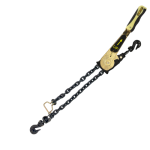
1m x 8mm Maxibinder
$120.00 ex GST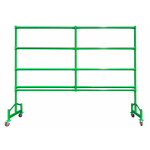
Portable Truck Fall Protection Barrier

Ratchet Strap Thrower
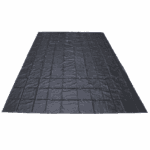
PVC A-Trailer Tarp
$3,200.00 ex GST
PVC Rigid Truck Tarp
Tarp Rope – 3.3m


Hand Pallet Wrap – Black
$19.00 - $29.00$19.00 - $29.00
LDPE Pallet Bags 1900mm x 25um
Ecoflute – Recycled Corflute Truck Boards 4mm x 1420mm x 1090mm