












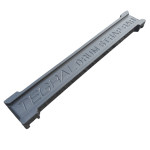

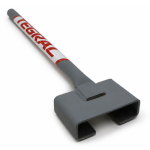
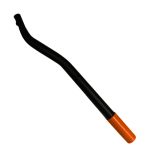
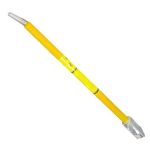





























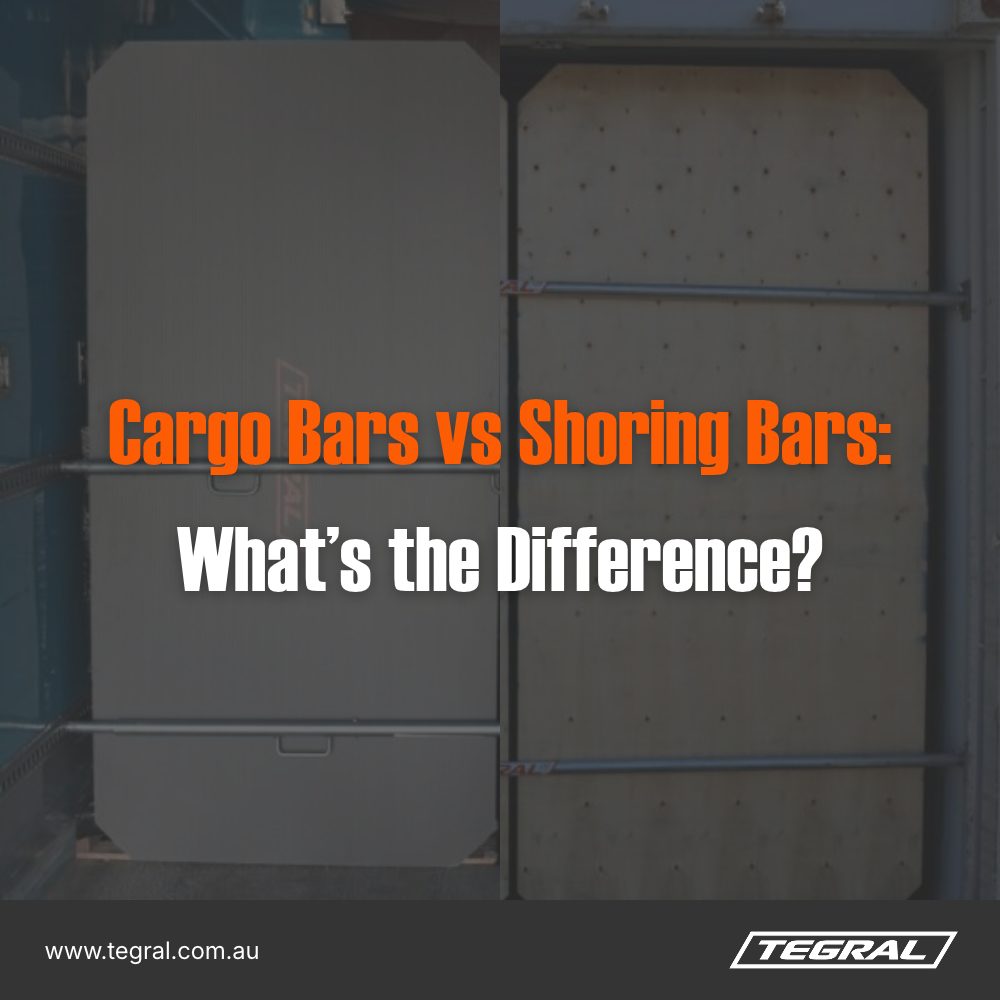
Cargo bars and shoring bars both help control freight movement inside trucks and trailers. They can look similar, and their names are sometimes used interchangeably, which makes choosing the right equipment confusing.
When comparing a cargo bar with rubber feet and an F-track shoring bar, the main difference is how they stay in position. A cargo bar braces against suitable internal surfaces, while an F-track shoring bar engages with fitted track.
That difference affects where each bar can be used and what you need to check before loading.
What is a Cargo Bar?
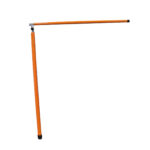
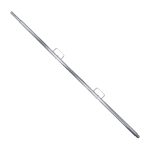
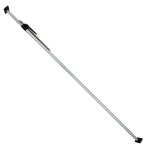
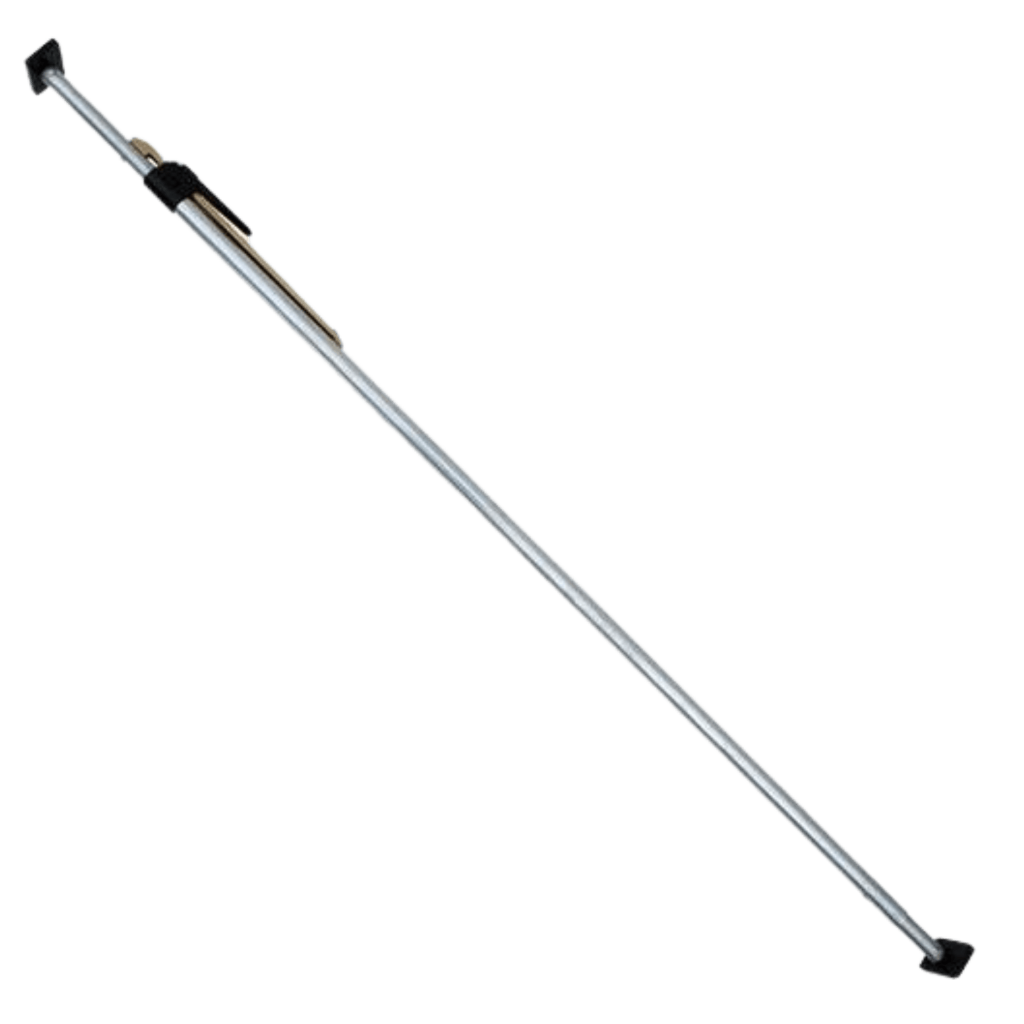
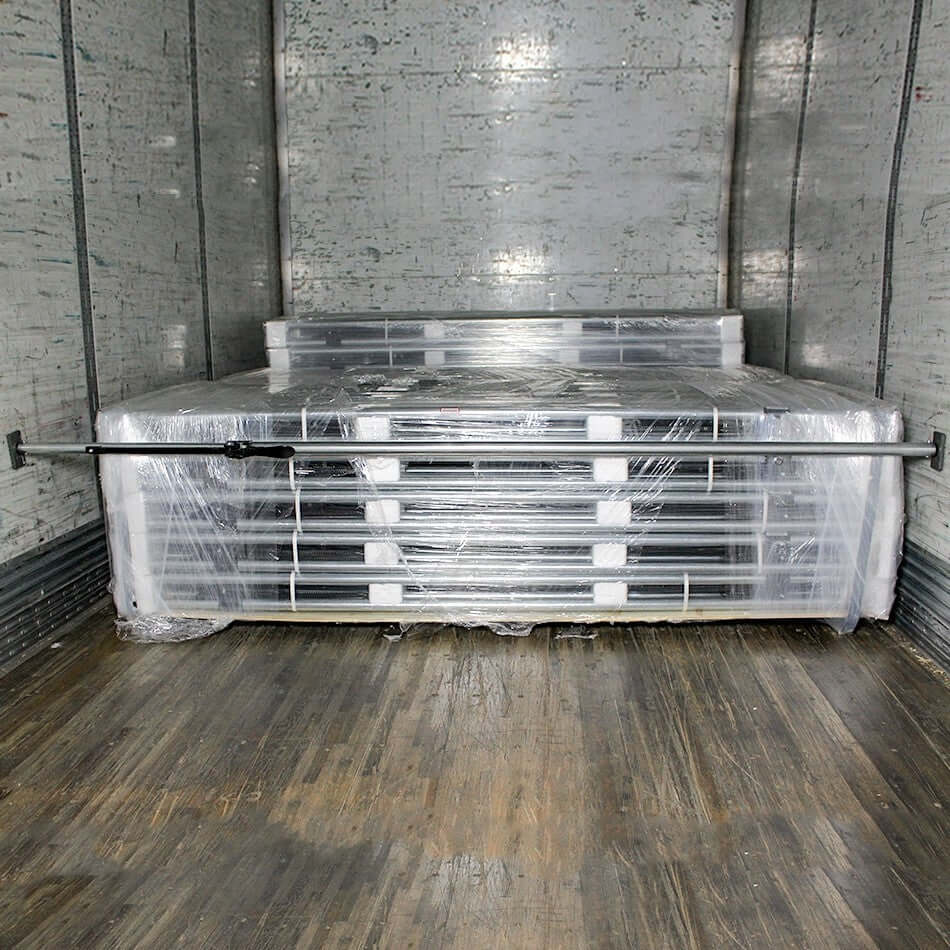
A cargo bar with feet is an adjustable bar that extends between opposing internal surfaces. Its feet press against those surfaces to hold the bar in position, without connecting to a track system.
This makes it an option where compatible track isn’t available. Tegral’s Cargo Bar With Foot, for example, is commonly used in containers or vehicles without E-track or F-track.
Because this style relies on pressure and grip, the supporting surfaces matter. Check that the vehicle body and contact surfaces are suitable for the bar and the intended application. Follow the manufacturer’s instructions for adjustment and use.

What is a Shoring Bar?
Shoring bars are used to help stabilise freight inside enclosed vehicles. They include different designs, so the name alone doesn’t tell you how a particular bar attaches.
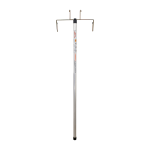
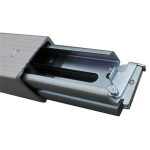
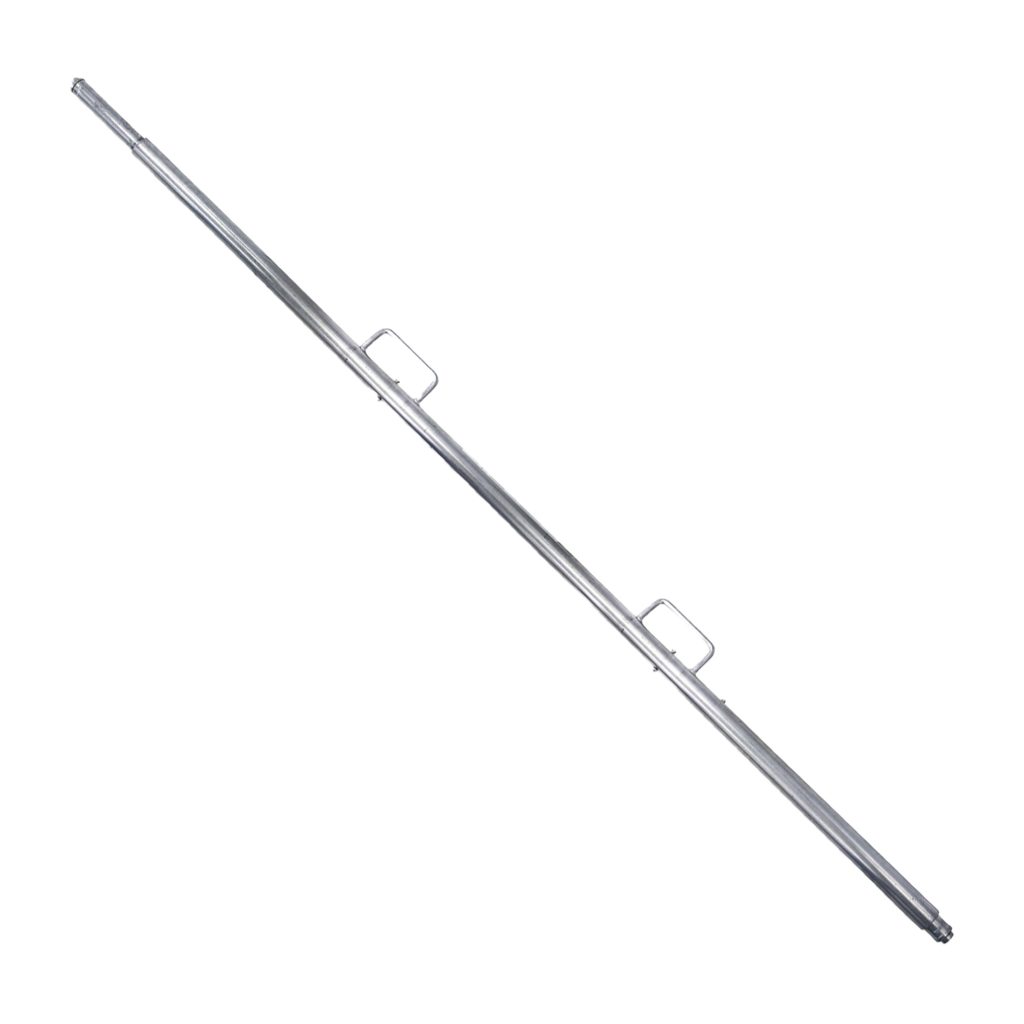
An F-track shoring bar has end fittings designed to engage with compatible F-track. Tegral’s spring-loaded shoring bar, for example, adjusts from 2.2m to 2.6m and suits F-track in pantech truck bodies.
This arrangement provides a connection to the track rather than relying on rubber feet pressing against the vehicle walls. The bar, track and track installation all need to suit the intended task.


Cargo Bars vs F-track Shoring Bars
| Feature | Cargo bar with feet | F-track shoring bar |
|---|---|---|
| How it stays in place | Pressure and grip against suitable surfaces | End fittings engage with compatible track |
| Requires fitted track? | No | Yes |
| Positioning | Within its adjustment range and suitable contact areas | At compatible track positions |
| Main compatibility checks | Internal dimensions, contact surfaces and body suitability | Bar length, end fittings, track and installation |
| Capacity | Check the specific product and application | Check the specific bar and track system |
Neither the product name nor its appearance establishes its restraint capacity. Check the specifications of the actual equipment you’re using.
Does a Shoring Bar Hold More than a Cargo Bar?
You cannot assume that every shoring bar has a higher capacity than every cargo bar.
Different models have different ratings and operating conditions. A track-mounted connection also does not mean a bar can restrain an entire trailer load.
The NHVR advises that shoring bars have limited restraint capacity and that additional restraint may be needed. The number and placement of bars must suit the load; putting one bar behind the final pallet row may overload it.
Which Bar Suits your Truck?
Start with the vehicle and the job the bar needs to perform.
If your vehicle has F-track, check that the shoring bar’s fittings and adjustment range match the installation. Inspect both the bar and track for wear or damage.
If your vehicle has no suitable track, a cargo bar with feet may be worth considering, provided the manufacturer confirms that the supporting surfaces and application are suitable.
If you need to support an upper layer of freight, look for equipment specifically designed and rated for decking. Do not assume a cargo bar or shoring bar is suitable for carrying vertical loads.
Your loading plan should establish how the equipment contributes to restraining the freight, including any other restraints required.
Common Mistakes to Avoid
Correct equipment can still perform poorly when it is installed or positioned incorrectly. The NHVR identifies damaged track, incorrect installation and excessive gaps between bars and freight as potential causes of failure.
Depending on the load, suitable plywood or another load-spreading material may also be needed between the freight and bars. This helps distribute the contact force rather than concentrating it on individual packages.
Find the Right Bar for Your Setup
The choice between a cargo bar and an F-track shoring bar comes down to attachment method, compatibility and the requirements of your load.
Tegral supplies cargo bars, shoring bars and related equipment. Contact the team on 1300 159 809 to discuss your vehicle setup and product requirements.
You May Also Be Interested In
9 Practical Tips for Better Temperature Control During Transport
How to Prevent Container Rain: A Guide to Shipping Container Desiccants
Why E-Track and F-Track Straps Are Rated Lower Than Regular Straps
How to Prevent Shoulder Injuries in Transport Operations
Check Out Our YouTube Channel
Products
100mm x 100mm x 2400mm E-Dunnage Timber
