











































































































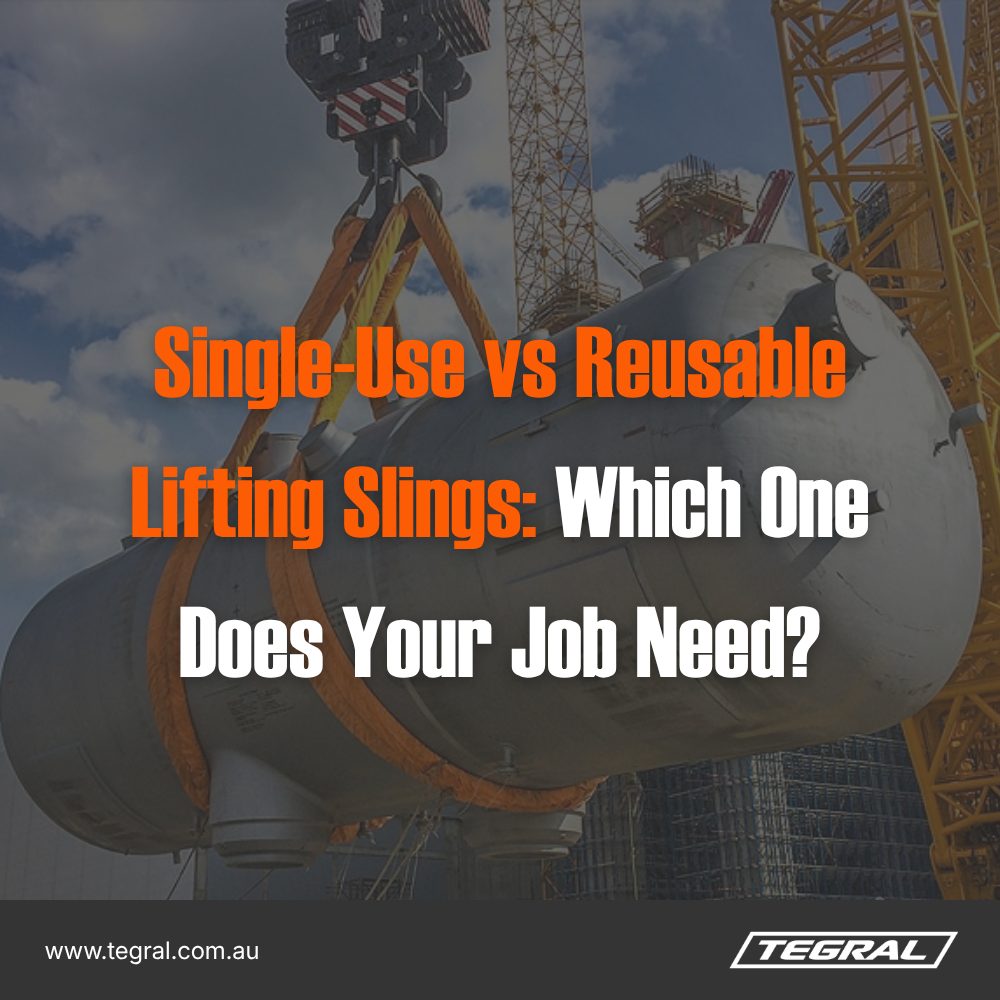
Single-Use vs Reusable Lifting Slings: Which One Does Your Job Need?
If you’re lifting loads on a regular basis, chances are you’ve had to choose between a single-use sling and a reusable one. They look similar at a glance — both are flexible assemblies used to lift loads — but they’re built for very different jobs. Picking the wrong one can …
Read More
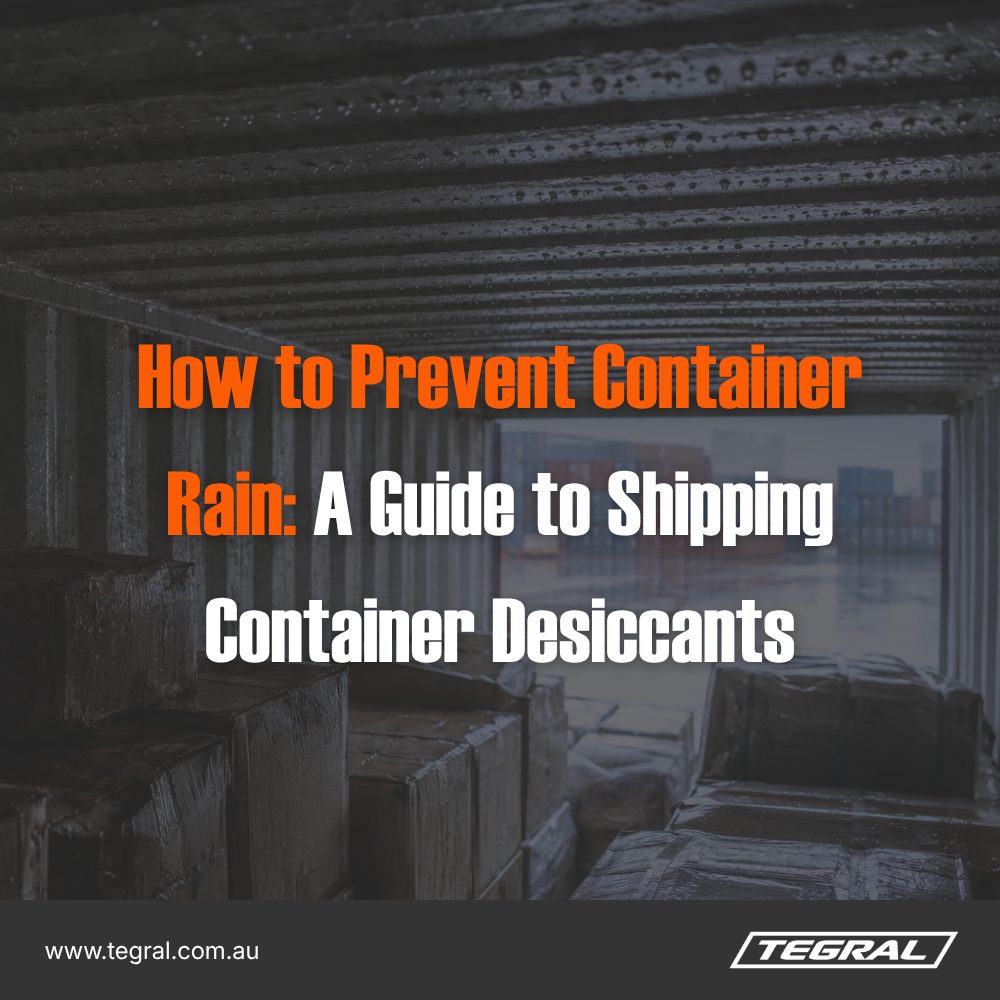
How to Prevent Container Rain: A Guide to Shipping Container Desiccants
If you’ve ever opened a shipping container after weeks at sea to find cargo covered in water droplets, mould, or rust, you’ve met container rain — and you’ve learned the hard way why desiccants belong in every load. What Is Container Rain? Container rain (also called cargo sweat) happens because …
Read More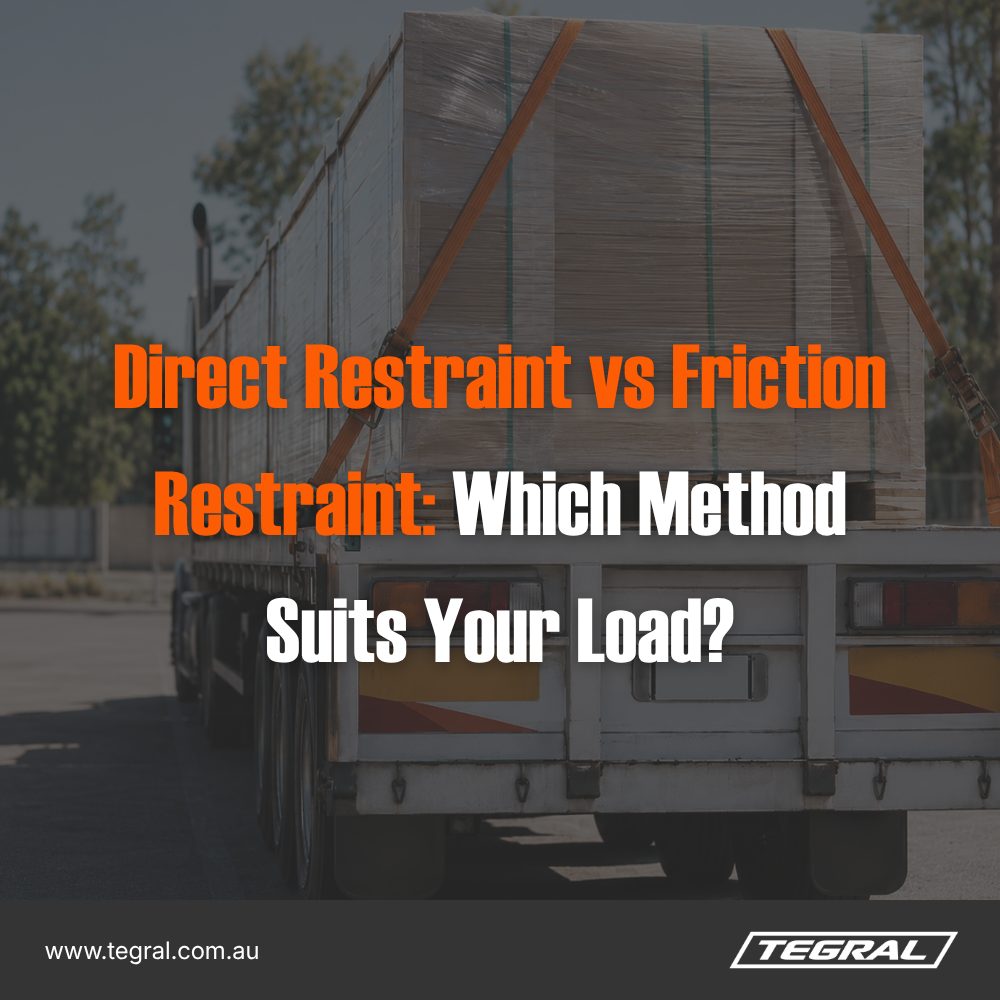
Direct Restraint vs Friction Restraint: Which Method Suits Your Load?
Every load restraint system relies on one of two core methods — or a combination of both — to keep freight secure on a heavy vehicle: direct restraint and friction restraint. Understanding the difference isn’t just a compliance exercise, it’s the foundation of getting your loading plan right the first …
Read More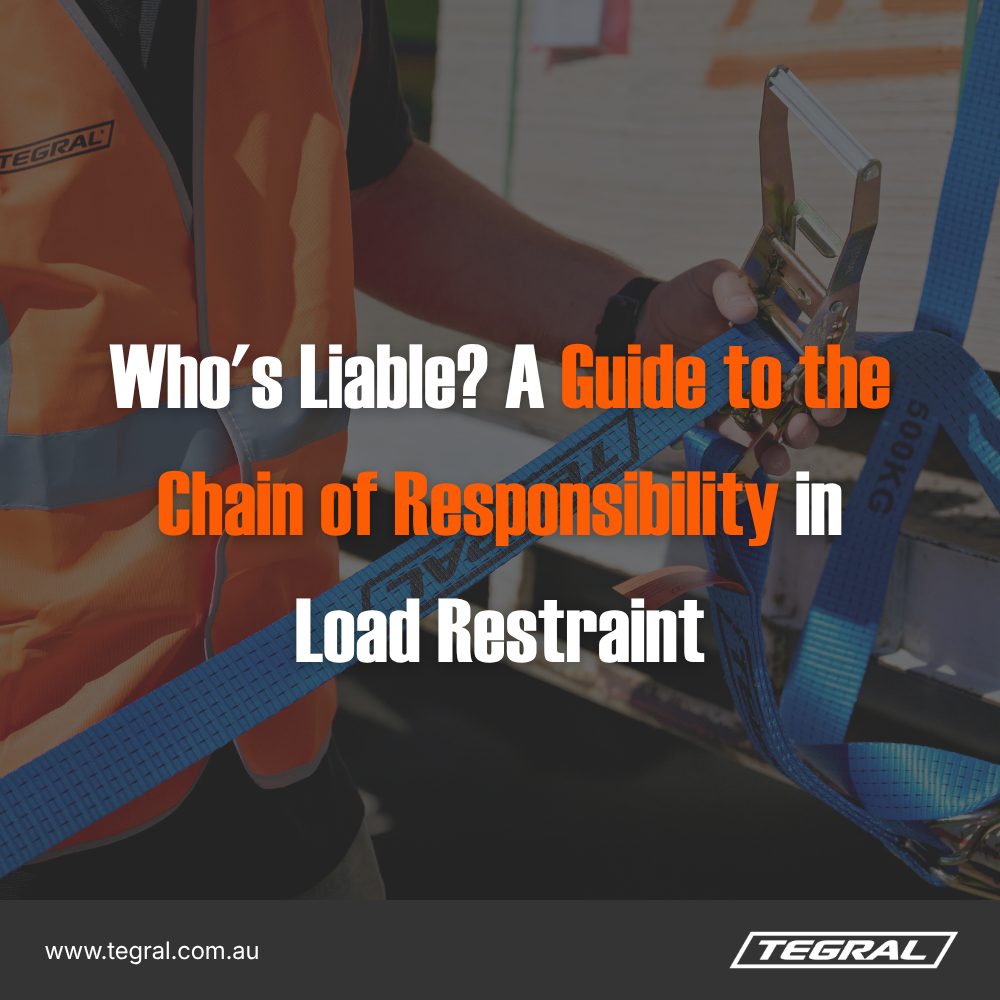
Who’s Liable? A Guide to the Chain of Responsibility in Load Restraint
If you’ve ever assumed that load restraint is “the driver’s job,” it’s time for a rethink. Under Australia’s Heavy Vehicle National Law (HVNL), responsibility for a safely restrained load doesn’t sit with one person — it’s shared across everyone who has a hand in getting that load onto the truck …
Read More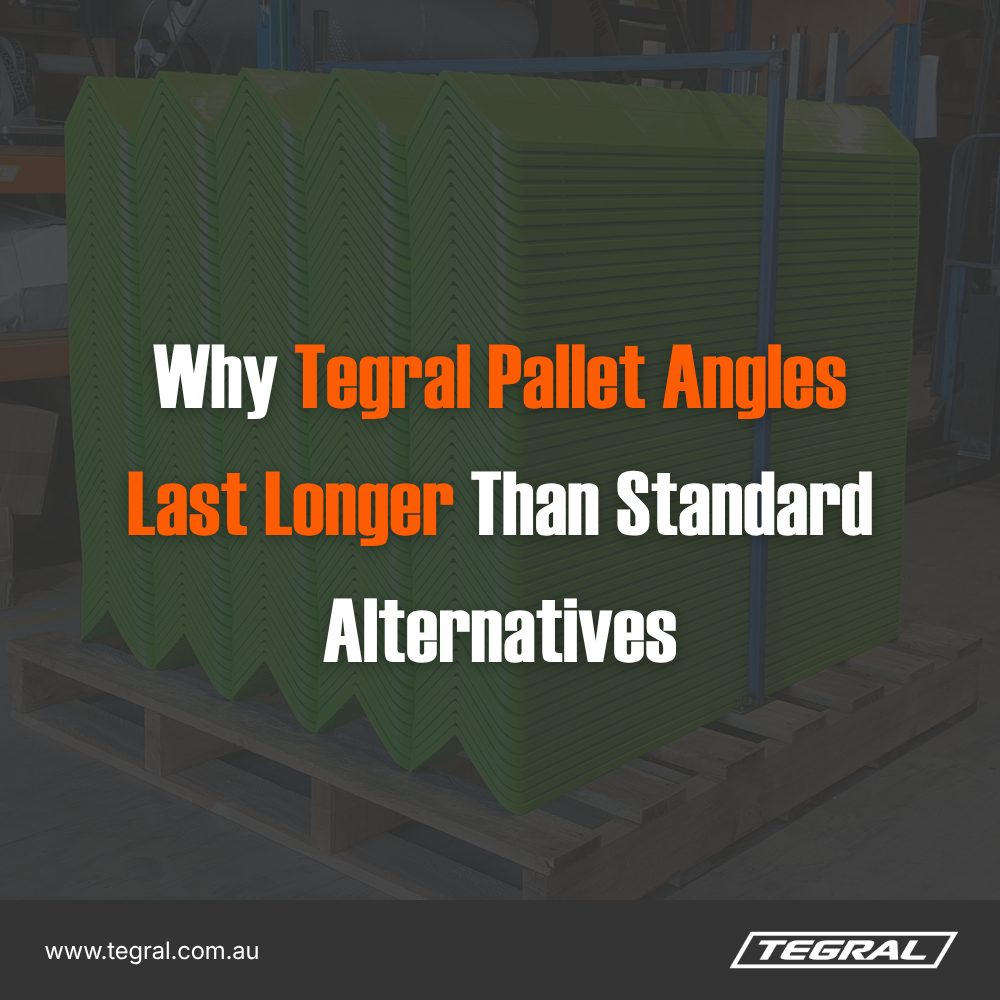
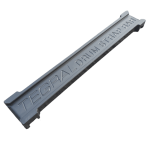
Why Tegral Pallet Angles Last Longer Than Standard Alternatives
In transport, small pieces of equipment can make a big difference. Pallet angles may not be the biggest item in a fleet’s load restraint setup, but they play an important role in protecting freight, protecting straps and helping drivers restrain loads more effectively. The problem is, not all pallet angles …
Read More
Checklist for August 1 HVNL Changes
The updated Heavy Vehicle National Law has come into effect as of 1 August 2026, and the NHVR has confirmed there’s no grace period once it lands. If you run vehicles over 4.5 tonnes, it’s a good time to check you’re up to date. Here’s a quick checklist to work …
Read More
$7.2 Million Safety Upgrade Set for Hume Highway
Safety and maintenance works are set to begin on another section of the Hume Highway, with the NSW Government investing $7.2 million to improve conditions for motorists and freight operators travelling through Berremangra. The works will focus on a key stretch of the northbound carriageway between Bogolara Road and Cobbler …
Read More
Fuel Excise Relief Extended: What It Means for Transport Operators
The Federal Government has announced a one-month extension of its fuel excise and Heavy Vehicle Road User Charge relief measures, providing temporary cost relief for trucking and logistics businesses amid ongoing global fuel market uncertainty. The original relief package was due to end on 30 June 2026. Instead, from 1 …
Read More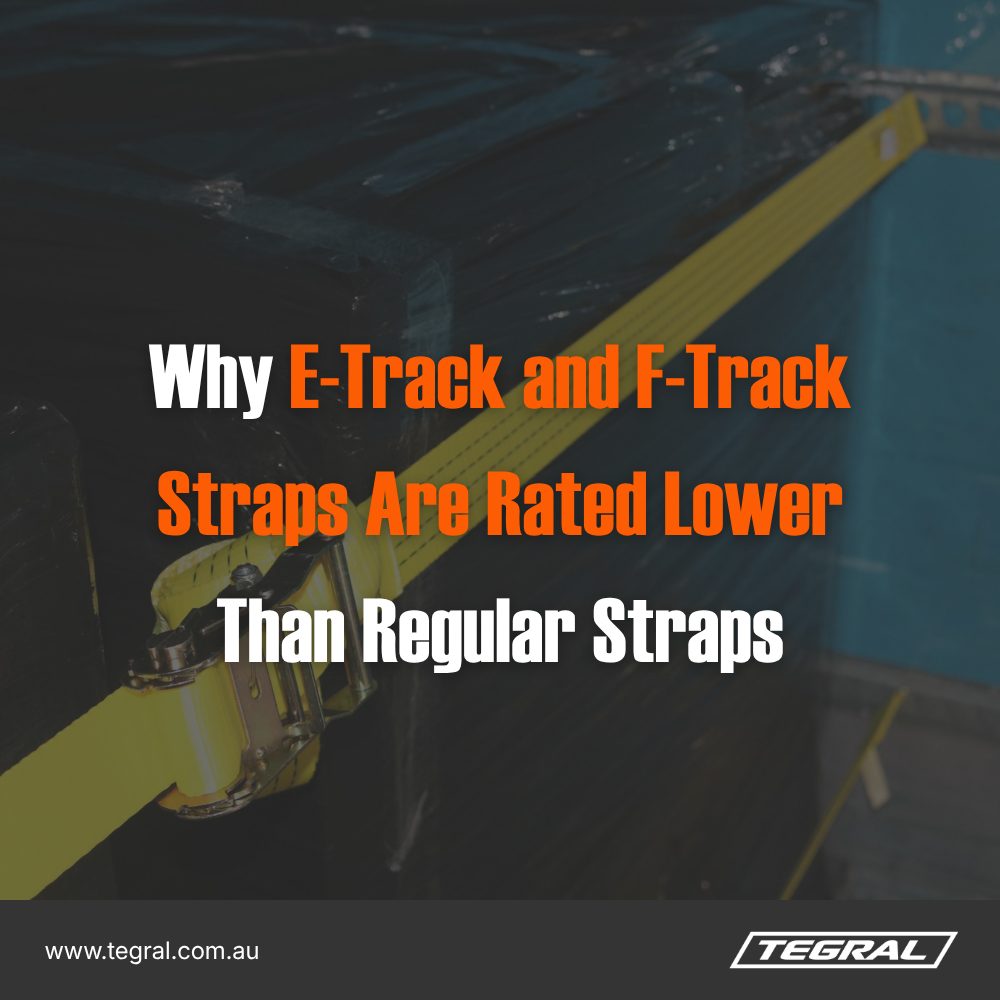
Why E-Track and F-Track Straps Are Rated Lower Than Regular Straps
If you’ve ever bought a set of e-track or f-track straps and noticed the Lashing Capacity is lower than a standard ratchet strap of the same webbing width, you’re not imagining things, and the reason matters a lot for load restraint compliance. The short answer: it’s not just the strap …
Read More
NHVR and NTC Release Statutory Instruments Ahead of HVNL Changes
The National Heavy Vehicle Regulator (NHVR) and National Transport Commission (NTC) have released a series of statutory instruments that support the amended Heavy Vehicle National Law (HVNL), which is due to commence on 1 August 2026. These statutory instruments provide the detailed standards, requirements, and guidance that sit behind the …
Read More
EOFY Fleet Checklist: What to Repair, Replace, or Upgrade
June is here, and for transport managers across Australia, that means one thing: it’s time to take a hard look at your fleet before the financial year wraps up. Whether you’ve got budget left to spend or you’re planning ahead for FY26, the end of financial year is one of …
Read More
How the HVNL Fatigue Reforms Will Impact Heavy Vehicle Operators
The Australian transport industry is preparing for one of the biggest fatigue-management changes in years, with the amended Heavy Vehicle National Law (HVNL) expected to commence in July 2026. The reforms aim to improve road safety while also giving operators more flexibility in how fatigue risks are managed across different …
Read More
Loading Plans: Taking the Guesswork Out of Load Restraint
A well-restrained load doesn’t happen by chance. It happens through planning, consistency, and having clear processes in place before the truck even leaves the yard. The NHVR’s Load Restraint Guide 2025 highlights loading plans as one of the most effective ways businesses can improve load restraint compliance, safety, and operational …
Read More
NHVR Fast-Tracks Higher Mass Limits for Heavy Vehicle Operators
The NHVR is fast-tracking higher mass limits for heavy vehicles, letting operators carry more without extra compliance hoops, and it could arrive as soon as May 2026. Australia’s freight sector has faced no shortage of headwinds in recent years. Supply chain pressures, rising costs, and surging demand have left operators …
Read MoreProducts

Thermal Foil Bubble Wrap Insulation 1.5m x 100m x 10mm

Cargo Beam Straight 40mm x 2440mm

Dangerous Goods Banner (EIP)
$92.25 - $102.50$92.25 - $102.50
Shipping Container Desiccant 1kg

Universal Truck Tarp
$2,100.00 ex GST
Magnetic Red Marker Light

Trade Safety Glasses – Smoke Lens

Wheel Clamp Replacement Strap – 3m x 50mm x 1750kg