



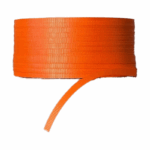
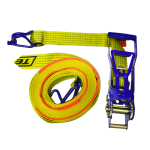
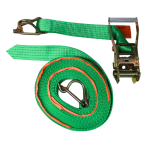
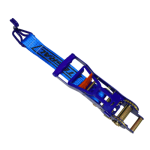


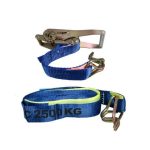
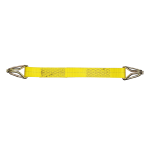










































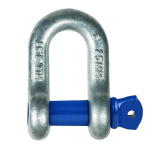

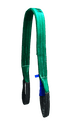
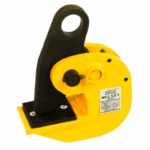
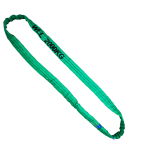






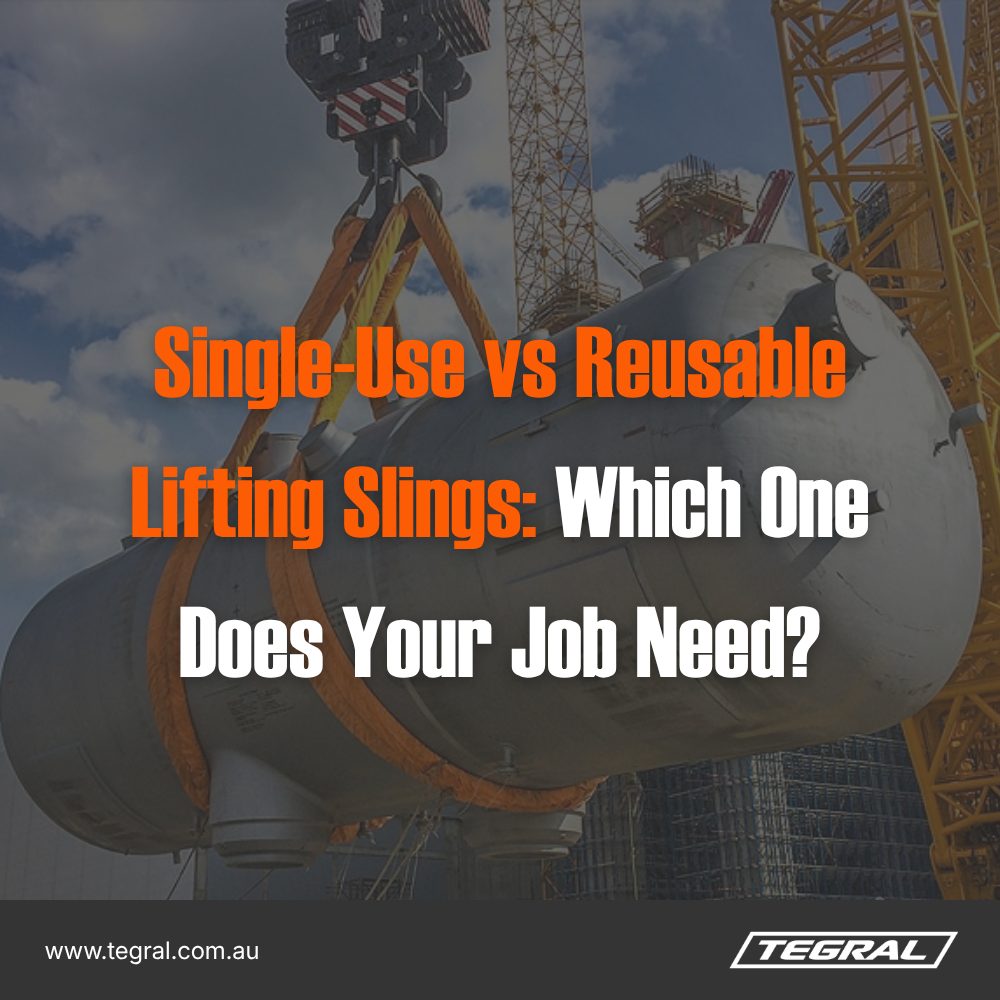
If you’re lifting loads on a regular basis, chances are you’ve had to choose between a single-use sling and a reusable one. They look similar at a glance — both are flexible assemblies used to lift loads — but they’re built for very different jobs. Picking the wrong one can cost you money, or worse, compromise safety.
Here’s a breakdown of the key differences, so you can match the right sling to the right task.
What is a Single-use Lifting Sling?

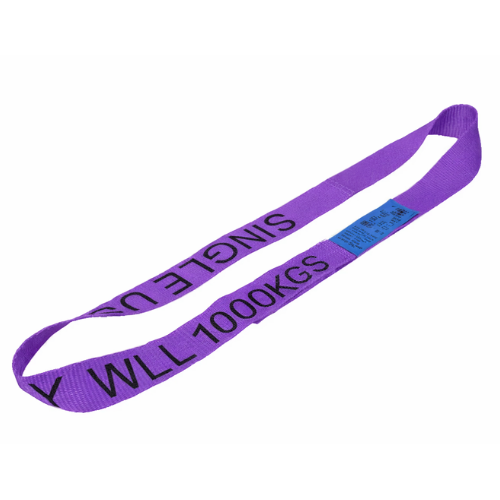
Single-use slings (sometimes called “one-trip” or “disposable” slings) are designed to do exactly one lift, then be discarded. They’re typically made from lighter-duty webbing or synthetic fibre, with simplified stitching and hardware compared to their reusable counterparts.
Common applications:
- Export and shipping loads that are lifted once at origin and once at destination
- Single-use packaging or palletised freight
- Situations where the sling will be left with the cargo (e.g. overseas shipments where return freight isn’t viable)
Key characteristics:
- Lower cost per unit
- Lighter construction, generally lower Working Load Limit (WLL)
- Not designed to be inspected, repaired, or reused after the first lift
- Often used once and left attached to the load or scrapped
What is a Reusable Sling?
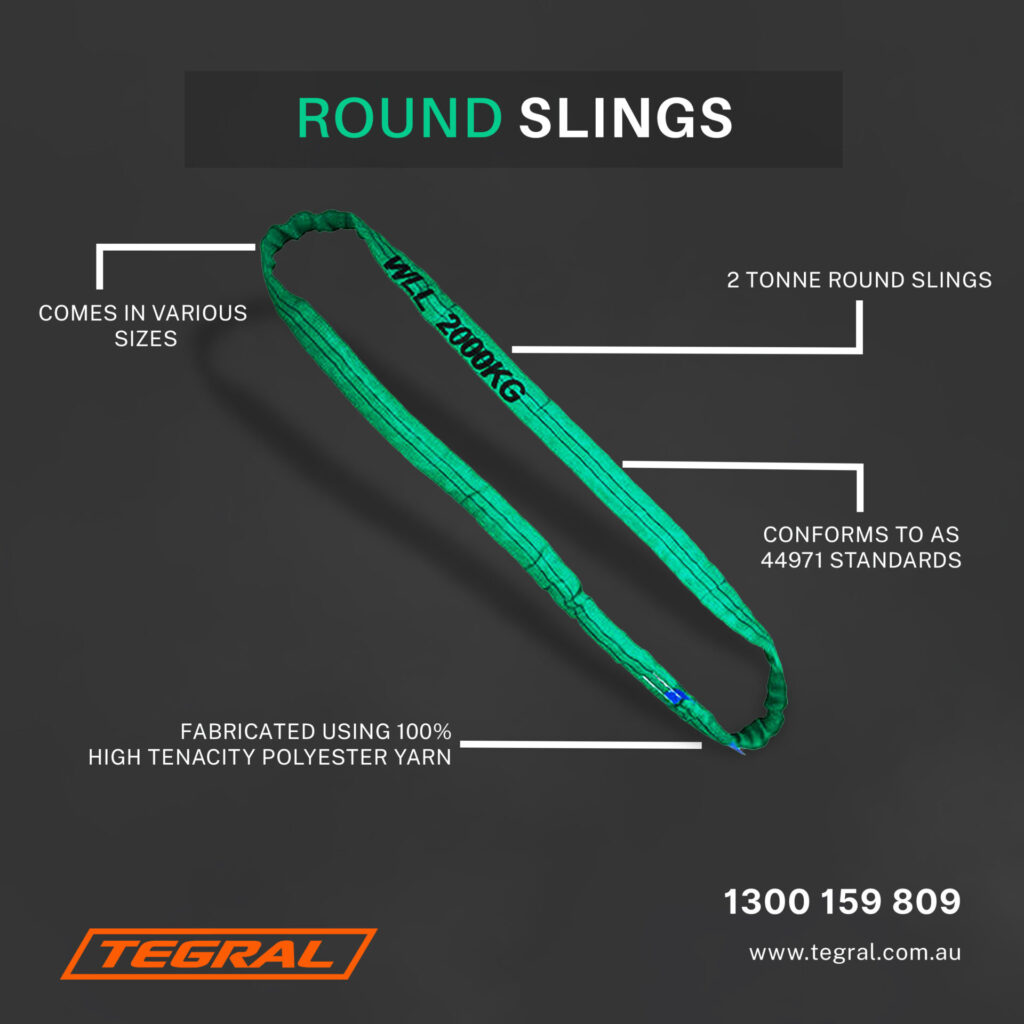
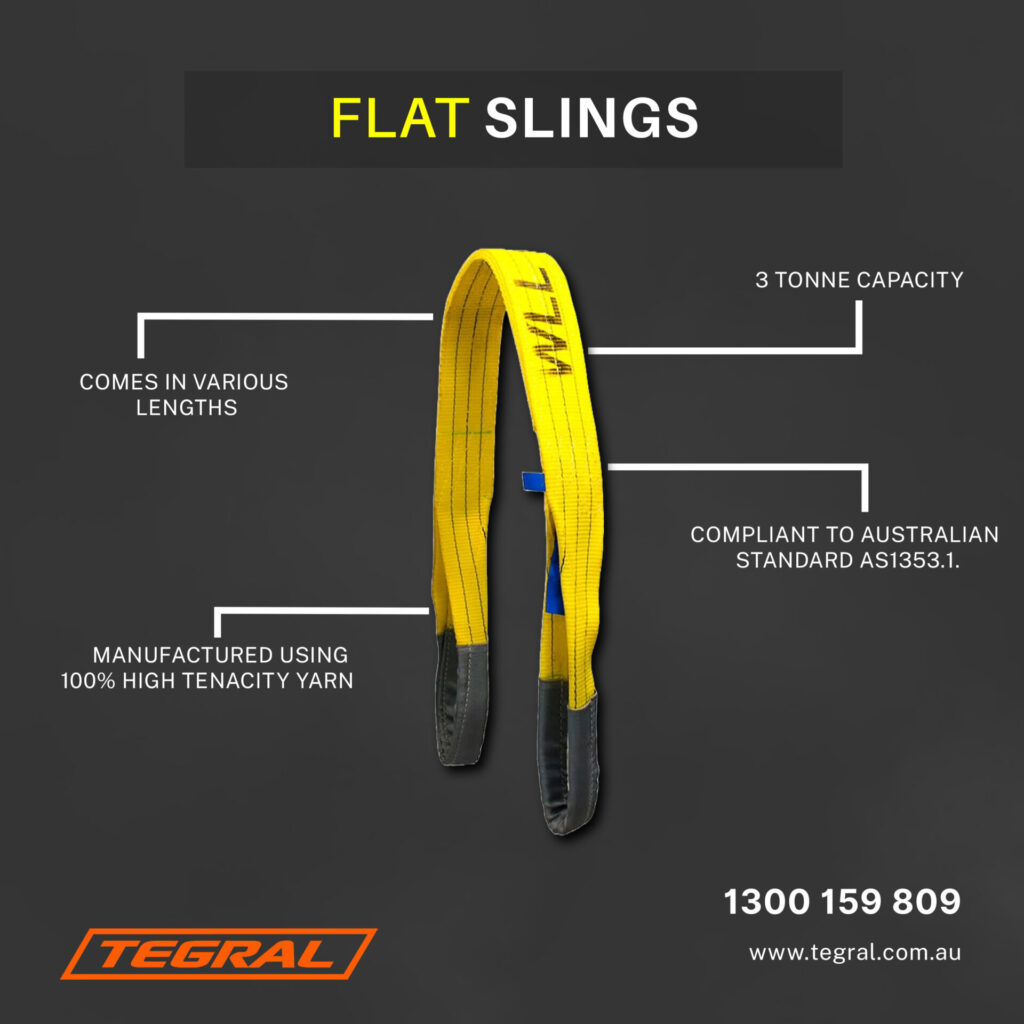
Reusable slings are built for repeated use across many lifts, often over months or years, provided they’re properly maintained and inspected. They’re constructed with heavier-duty materials, reinforced stitching, and protective features like wear sleeves or coatings to withstand ongoing wear and tear.
Common applications:
- Warehouse and yard lifting operations
- Manufacturing and construction sites
- Any operation where the same lifting points, loads, or equipment are used repeatedly
Key characteristics:
- Higher upfront cost, but lower cost-per-lift over time
- Requires regular inspection in line with Australian Standards and manufacturer guidelines
- Must be tagged, traceable, and removed from service once damaged or worn
- Available in a wider range of configurations — flat webbing, roundslings, chain, and wire rope
Side-by-side Comparison
| Factor | Single-Use Sling | Reusable Sling |
|---|---|---|
| Intended lifespan | One lift | Many lifts, subject to inspection |
| Construction | Lighter-duty | Heavy-duty, reinforced |
| Cost per unit | Lower | Higher |
| Cost over time | Higher (if used repeatedly) | Lower |
| Inspection requirements | None — discard after use | Regular, documented inspection |
| Typical use case | Export/one-way freight | Ongoing site or warehouse lifting |
How to Choose the Right One
Ask yourself:
- Will this sling be used more than once? If the load, lifting point, or job is recurring, a reusable sling will almost always work out cheaper and safer over time.
- Is the sling likely to be left with the load? Export shipments or one-way freight movements are prime candidates for single-use slings — there’s no point paying for durability you won’t use.
- What’s the Working Load Limit you need? Reusable slings are generally rated for higher and more variable loads. Always match the WLL to the job, not the other way around.
- Do you have an inspection regime in place? Reusable slings are only safe if they’re actually inspected and retired on schedule. If your operation can’t commit to that process, single-use slings remove the risk of an overlooked, worn sling staying in service.
The Bottom Line
Single-use slings earn their keep in one-way, one-lift scenarios where durability beyond that single job isn’t needed. Reusable slings are the better investment anywhere lifting is a recurring part of the operation — as long as they’re inspected and maintained properly.
Choosing correctly isn’t just about cost. It’s about matching the equipment to how it will actually be used, so your team isn’t over-paying for single-trip freight or under-equipped for daily lifting operations.
Not sure which sling setup suits your operation? Get in touch with the Tegral team — we can help you match the right load restraint and lifting equipment to your specific application.
You May Also Be Interested In
Direct Restraint vs Friction Restraint: Which Method Suits Your Load?
Who’s Liable? A Guide to the Chain of Responsibility in Load Restraint
Why Tegral Pallet Angles Last Longer Than Standard Alternatives
Why E-Track and F-Track Straps Are Rated Lower Than Regular Straps
Check Out Our YouTube Channel
Products
100mm x 100mm x 2400mm E-Dunnage Timber

10L Chain Bucket

Towing Bridle
$56.25 - $71.75$56.25 - $71.75
4 Point Hard Hat Chin Strap – Webbing
$10.00 ex GST