




























































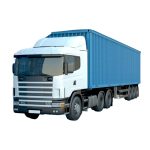




If you’ve ever opened a shipping container after weeks at sea to find cargo covered in water droplets, mould, or rust, you’ve met container rain — and you’ve learned the hard way why desiccants belong in every load.
What Is Container Rain?
Container rain (also called cargo sweat) happens because of a simple physics problem: air holds moisture, and that moisture has to go somewhere when conditions change.
A standard shipping container is essentially a sealed steel box. As it moves through different climates and time zones, the air trapped inside heats up during the day and cools down at night. Warm air holds more water vapour than cold air. So when the temperature drops — often overnight, or when a container moves from a warm port to a cooler one — that excess moisture condenses.
The result is either:
- Container rain — condensation forms on the cold steel roof and walls, then drips onto cargo below.
- Cargo sweat — moisture condenses directly onto the surface of the goods themselves, particularly when the cargo is colder than the surrounding air.
Either way, the outcome is the same: wet cargo, damaged packaging, mould growth, corrosion, and claims.
Why This Matters for Transport Operators
For anyone moving goods internationally (timber, machinery parts, electronics, textiles, food products, packaged goods), a single container of moisture-damaged stock can mean:
- Rejected shipments at the destination port
- Insurance claims and disputes over liability
- Reputational damage with customers who receive spoiled or corroded goods
- Costly delays while damaged cargo is inspected, reworked, or replaced
Given that a container can spend anywhere from a few days to several weeks at sea, crossing multiple climate zones, the risk of condensation is almost guaranteed unless it’s actively managed.
How to Prevent Container Rain: Choosing the Right Desiccant
Desiccants work by absorbing excess moisture from the air inside the container before it has a chance to condense. Common types include:
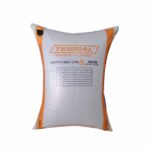
- Clay-based desiccants — a cost-effective option for general cargo, absorbing moisture gradually over the length of a voyage.
- Silica gel — higher absorption capacity, often used for more sensitive or higher-value cargo.
- Calcium chloride desiccants — designed for high-humidity routes, actively pulling large volumes of moisture out of the air.
Check Out Tegral’s Clay Desiccants

How to use Container Desiccants?
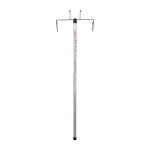
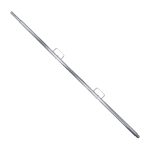
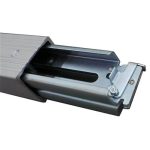
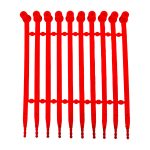
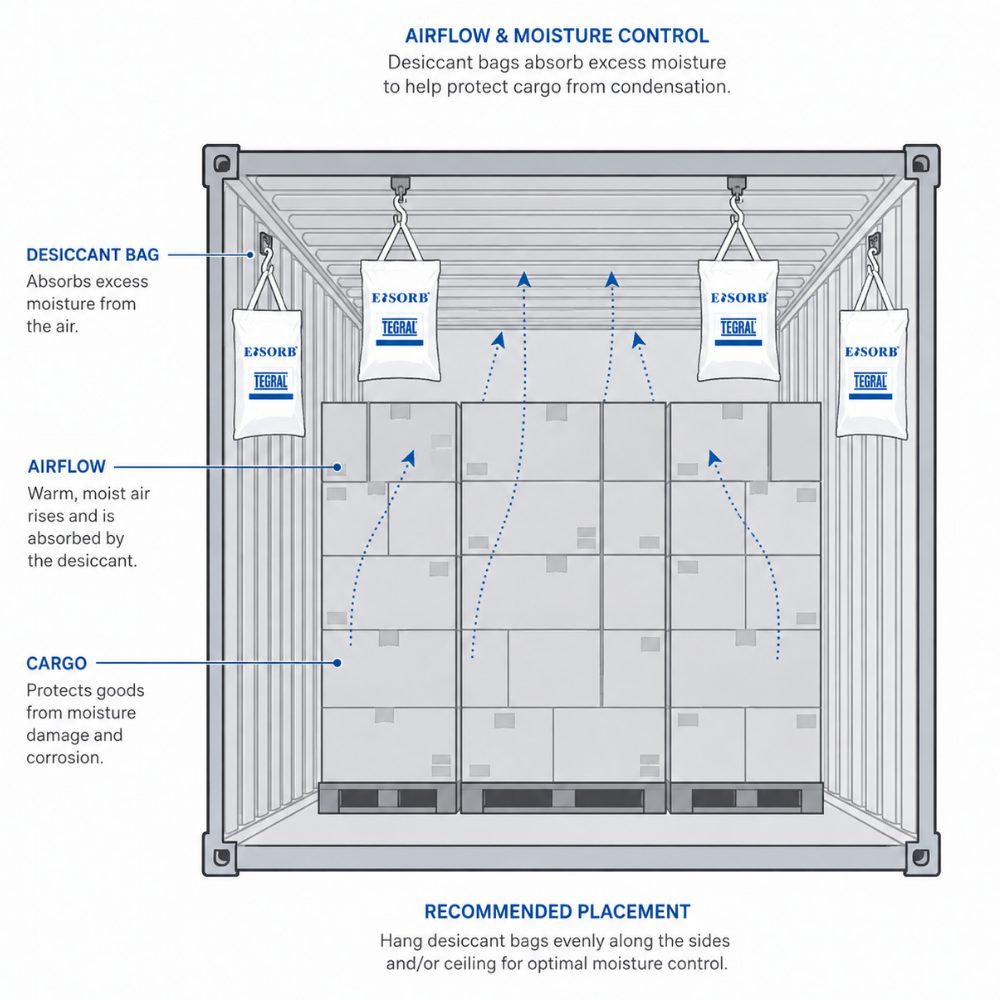
Container Desiccants are typically hung from container walls or ceilings, placed in bags distributed through the load, or fitted as poles that maximise surface area exposure to the air. The right format and quantity depends on the container size, the cargo type, the packaging, and the route’s expected humidity and temperature swings.
Desiccants Are Part of a Bigger Shipping Container Moisture Control Strategy
Desiccants work best as part of a broader approach to cargo protection, which can include:
- Proper ventilation where applicable, to allow moisture to escape rather than build up
- Vapour barrier packaging to isolate sensitive goods from ambient air
- Correct container selection (ventilated vs. sealed) for the cargo type
- Loading practices that avoid trapping pockets of humid air against goods
Skipping desiccants because a shipment “looks fine” at loading is one of the most common — and most expensive — mistakes in export logistics. The moisture problem doesn’t show up until the container is opened, by which point the damage is done and the cargo is often unusable.
The Bottom Line
Container desiccants are a small, low-cost line item that protects against a disproportionately large risk. For any operator shipping cargo internationally — especially across varying climates — they’re not an optional extra. They’re a basic safeguard against condensation damage that can otherwise turn a routine shipment into a costly claim.
If you’re reviewing your container loading and moisture control procedures, it’s worth checking that desiccant selection and placement is matched to your specific cargo, container type, and shipping route — not just applied as a generic afterthought.
You May Also Be Interested In
Who’s Liable? A Guide to the Chain of Responsibility in Load Restraint
Why E-Track and F-Track Straps Are Rated Lower Than Regular Straps
Loading Plans: Taking the Guesswork Out of Load Restraint
How to Prevent Shoulder Injuries in Transport Operations
Check Out Our YouTube Channel
Products
100mm x 100mm x 2400mm E-Dunnage Timber