













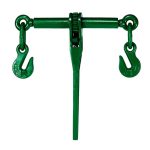

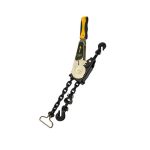







































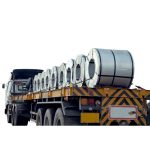
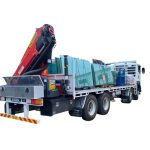
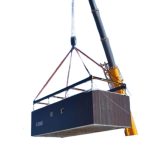
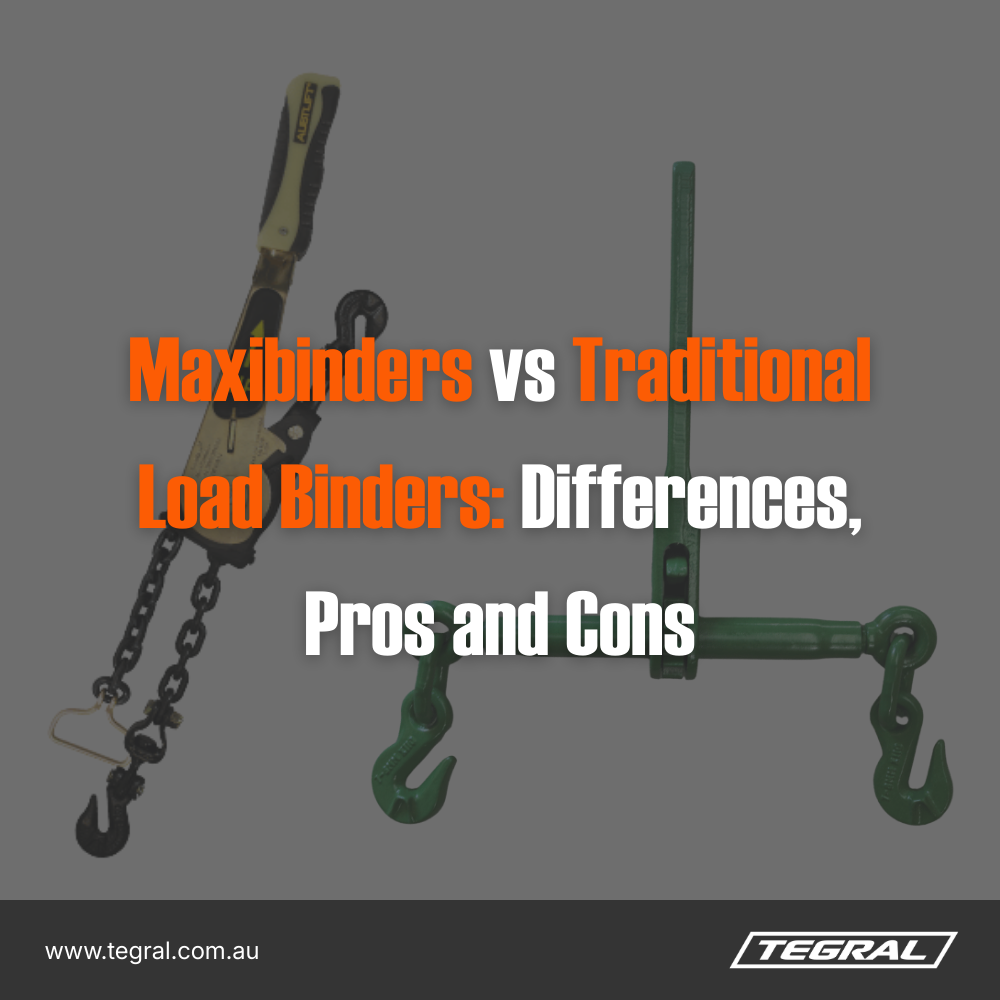
When securing heavy loads such as steel, machinery, timber, and construction materials, chain binders (also known as ‘dogs’) remain one of the most widely used load restraint tools in the transport industry.
Two common types are traditional load binders (lever binders) and maxibinders (ratchet binders). While both perform the same job, tensioning a chain to secure a load, they work in very different ways.
Understanding the differences can help operators choose the best option for their fleet and drivers.
Advantages of Traditional Load Binders
1. Fast to Apply
Experienced drivers can tension a chain very quickly with a lever binder, making them useful when securing multiple chains.
2. Simple Design
Traditional binders have fewer moving parts, which means they are generally robust and reliable.
3. Lower Cost
They are typically cheaper than ratchet-style binders, making them a common choice for fleets needing large quantities.
4. Durable
Because of their simple construction, they tend to withstand harsh environments and heavy use.
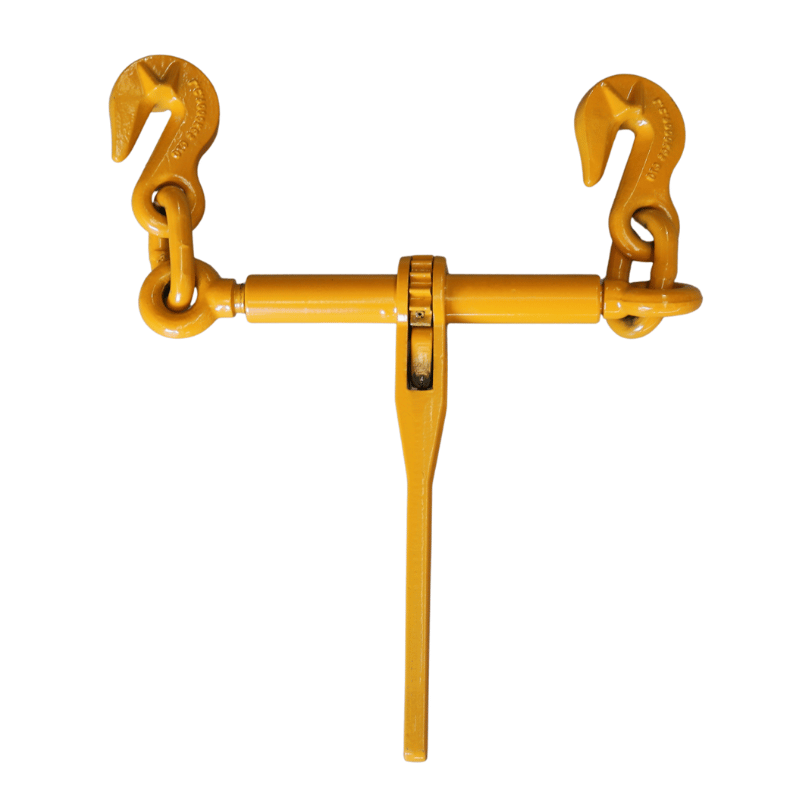
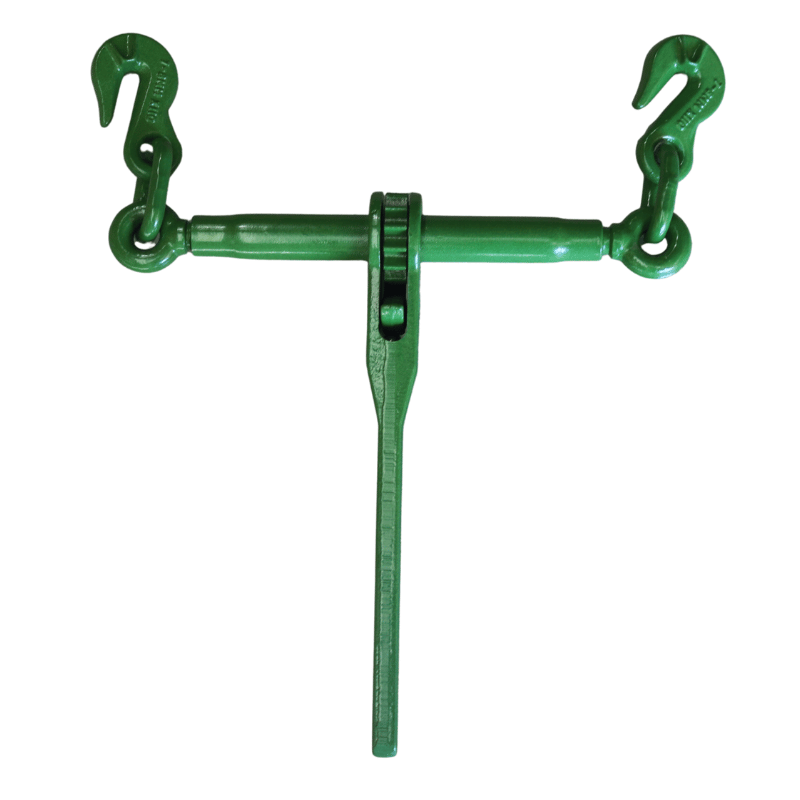
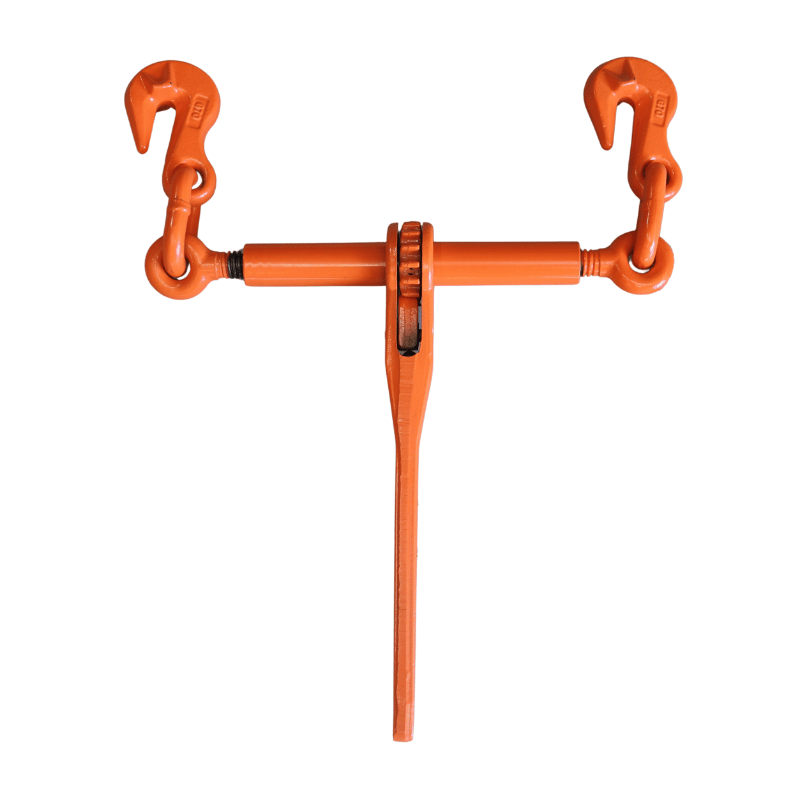
Disadvantages of Traditional Load Binders
1. Higher Risk of Snap-Back
Lever binders can store a lot of tension. If they release unexpectedly, the handle can snap back with significant force.
2. Requires Physical Force
Applying tension often requires considerable effort, particularly when securing heavy loads.
3. Harder to Control Tension
It can be difficult to apply precise or incremental tension compared to ratchet systems.
4. Difficult to Release Under High Load
If the chain is extremely tight, releasing the binder can be challenging and potentially dangerous.
How Maxibinders Work
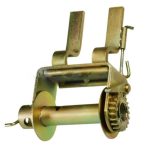
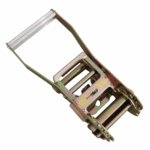
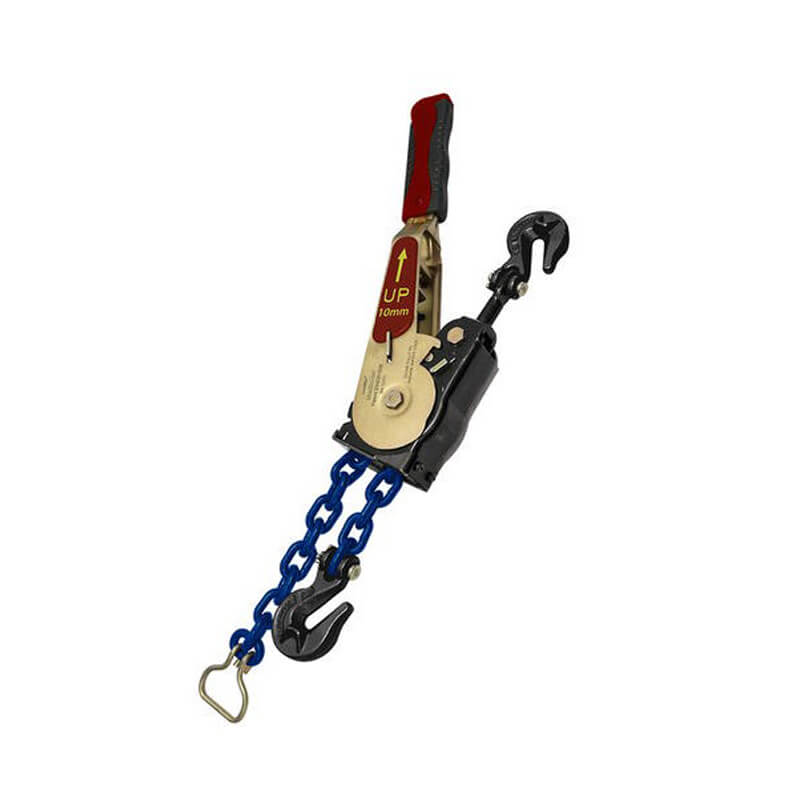
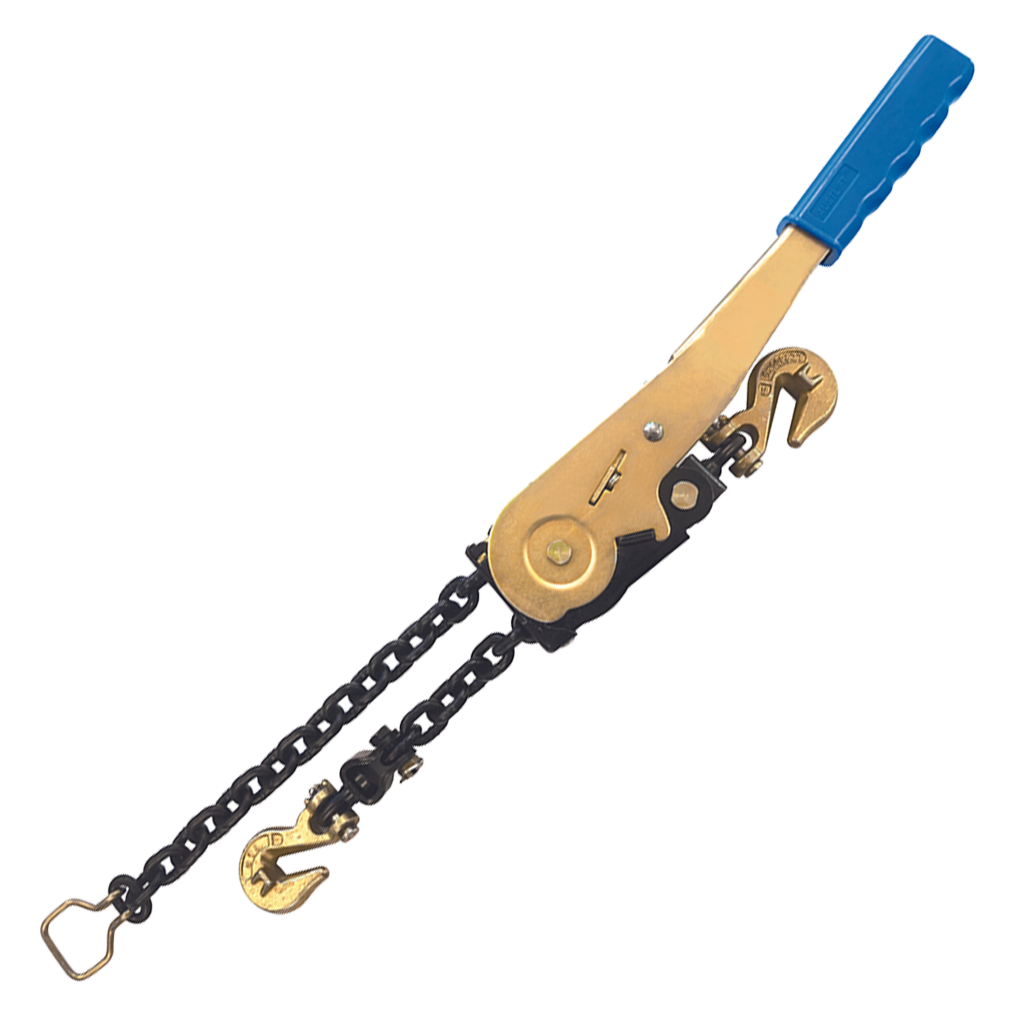
Maxibinders use a ratchet-style mechanism similar to a ratchet strap.
Instead of pulling a lever over centre, the driver tightens the chain by ratcheting the handle, gradually increasing the tension.
This design allows for more controlled tensioning.
Advantages of Maxibinders
1. Easier to Tension
The ratchet mechanism requires less physical effort, reducing strain on drivers.
2. More Controlled Tightening
Drivers can gradually apply tension and make small adjustments to achieve the correct restraint.
3. Safer Release
The ratchet system reduces the risk of sudden release compared to lever binders.
4. Better for Long-Haul Work
Because they require less effort, they can be more comfortable for drivers securing loads regularly.

Disadvantages of Maxibinders
1. Higher Purchase Cost
Maxibinders generally cost more than traditional lever binders and are more costly to replace.
2. Slower to Tighten
Because they use a ratchet motion, they can sometimes take longer to apply than a quick lever action.
3. More Moving Parts
The ratchet mechanism introduces additional components that may require more maintenance.
| Feature | Traditional Load Binder | Maxibinder |
|---|---|---|
| Mechanism | Lever / over-centre | Ratchet |
| Speed | Faster to apply | Slightly slower |
| Effort required | Higher physical force | Lower physical effort |
| Safety | Higher snap-back risk | Controlled tension release |
| Cost | Lower | Higher |
| Precision | Harder to adjust | Easier to fine-tune |
Which One Is Better?
Both types of binders are widely used in the transport industry, and the choice often comes down to driver preference and fleet policy.
Today, maxibinders are becoming the more widely used binder across the transport industry thanks to their ease of use and enhanced safety. The ratchet mechanism allows drivers to tension chains gradually and release them in a controlled way, reducing physical strain and minimising the risk of sudden snap-back. For many fleets, this combination of safety and usability has made maxibinders the preferred choice for securing heavy loads.
You May Also Be Interested In
Practical Video Resource to Help Drivers Manage Steep Descents
How to Prevent Shoulder Injuries in Transport Operations
Where Fleet Managers Lose the Most Time: And How to Get it Back
Check Out Our YouTube Channel
Products
100mm x 100mm x 2400mm E-Dunnage Timber
