























































































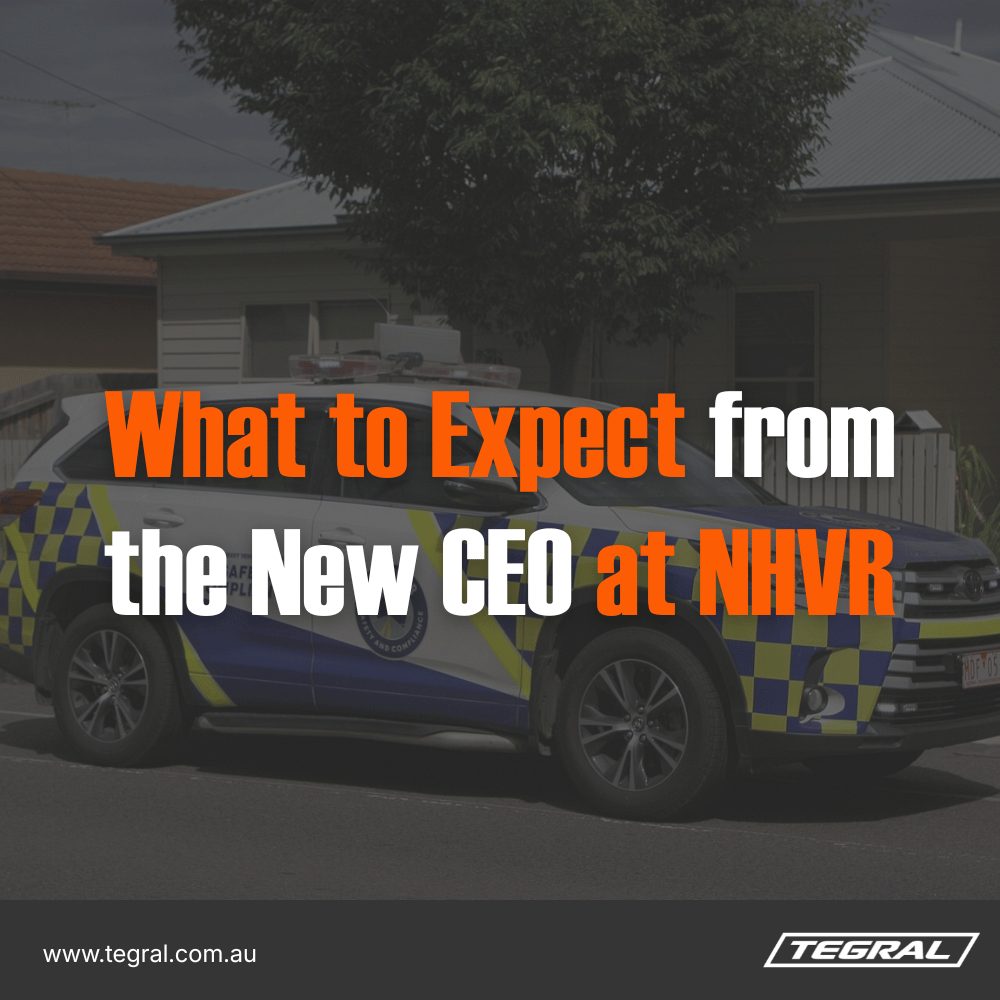
The National Heavy Vehicle Regulator (NHVR) is entering a significant new chapter under its new CEO, Nicole Rosie, who has outlined a clear, systems-focused vision for the future of heavy vehicle regulation in Australia. These insights come from her first industry media interview with Big Rigs.
Just months into the role, Rosie has made it clear she understands the scale and complexity of Australia’s road freight task, particularly as the industry faces increasing pressure to deliver more freight, more efficiently, while meeting higher expectations around safety, sustainability and compliance.
A shift toward whole-of-system thinking
One of the strongest themes from Rosie’s interview is a move away from reactive, roadside-only enforcement and toward whole-of-system regulation. She has emphasised that meaningful safety and productivity gains are more likely to come from addressing issues higher up the supply chain, rather than focusing solely on drivers who often lack control over systemic problems.
Smarter use of data and targeted intervention
Rosie has also signalled a stronger focus on data sharing, intelligence-led regulation and targeted intervention. Rather than defaulting to enforcement, the NHVR under her leadership aims to better identify root causes, whether that be operator practices, supply chain pressures or asset management, and respond proportionately.
Preparing for HVNL reform
With major Heavy Vehicle National Law (HVNL) reforms on the horizon, including an opt-in safety management system and new “fit to drive” provisions, Rosie has described the changes as an opportunity to lift operational excellence across the industry, not add unnecessary red tape.
What this means for industry
For operators, fleet managers and supply-chain stakeholders, the message is clear: expect closer scrutiny of systems, behaviours and accountability, but also a regulator that is more collaborative, nuanced and focused on long-term outcomes, safety, productivity and sustainability.
As Rosie put it in her Big Rigs interview, the goal is not to punish symptoms, but to improve the system as a whole, a direction that could reshape how the NHVR works with industry in the years ahead
You May Also Be Interested In
Load Height Variations: The Hidden Cause of Load Shift (and How Fleets Can Prevent It)
Why UV-Stabilised Load Restraint Gear Matters
Steel Transport: What Gear You Need When Starting Out
Check Out Our YouTube Channel
Products

1m x 8mm Maxibinder
$120.00 ex GST
Portable Truck Fall Protection Barrier

Ratchet Strap Thrower
PVC A-Trailer Tarp
$3,200.00 ex GST
PVC Rigid Truck Tarp

Tarp Rope – 3.3m


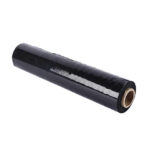
Hand Pallet Wrap – Black
$19.00 - $29.00$19.00 - $29.00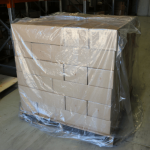
LDPE Pallet Bags 1900mm x 25um
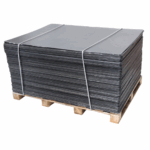
Ecoflute – Recycled Corflute Truck Boards 4mm x 1420mm x 1090mm
$4.00 – $11.00 ex GST