






























































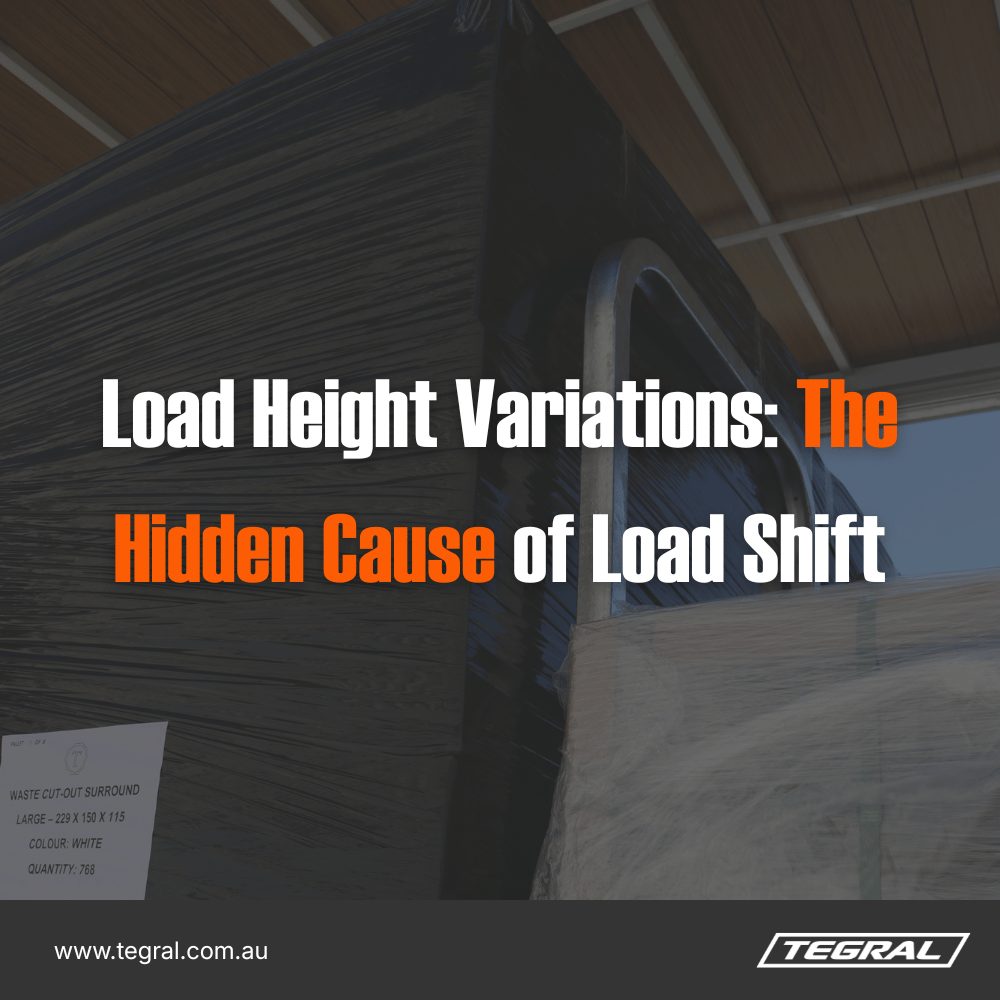
When trucks lose freight stability on the road, the cause is often blamed on “sudden braking” or “a bad strap.”
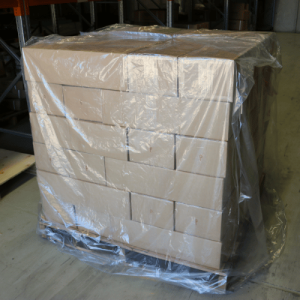
But one of the most common, and least recognised, contributors to load shift is uneven pallet height.
Whether you’re delivering mixed freight to retail stores or running long-haul distribution, height differences between pallets create tipping forces that can overwhelm even a well-strapped load. Understanding why this happens, and how to fix it, can dramatically reduce damage, claims, and downtime.
Why Height Variations Cause Load Instability
1. High pallets have a much higher centre of gravity
A taller pallet behaves like a lever. When the truck corners, brakes, or accelerates, the top of the pallet moves with greater momentum than the base.
Physics shows that side forces of around 0.5g can occur during normal cornering, enough to tip a tall, narrow pallet if it has no stabilisation beside it. The higher the centre of gravity, the more sideways force the pallet generates.
This is why tall pallets placed beside much shorter pallets are at their highest risk of toppling sideways into the gap.
2. Gaps create the perfect space for a pallet to fall into
Even a 50–100 mm gap between pallets is enough for a tall load to lean into during transport. Once the load shifts sideways, two things happen:
- Straps lose tension, reducing restraint
- The pallet gains momentum and can tip fully
Investigations into freight incidents show this pattern repeatedly:
a tall pallet tips because it was loaded beside a shorter pallet with an unfilled gap.
3. Mixed retail loads increase the risk
Store delivery freight, cartons, appliances, bulker bags, beverages, furniture, rarely arrives in uniform heights.
Drivers often load the trailer in drop order, not height order, resulting in:
- A 1.8 m pallet next to a 1.0 m pallet
- A tall loose item sitting beside a half-height cage
- A double-stacked pallet beside a single
These create unequal support walls, which significantly increases tipping potential.
Real-World Evidence of the Risk
Tilt and fall incidents often involve height mismatches
Transport insurers regularly note that the most frequent damage claims involving toppled pallets occur when:
- Pallets were mixed-height
- No blocking or side support was used
- Tall freight was strapped only from above, not stabilised from the side
- The trailer had a partially empty bay or a gap between pallets
Sideways forces during routine driving are stronger than many expect
Telematics and stability sensors on modern fleets have shown typical sideways forces between 0.3g–0.5g just from roundabouts, lane changes, and sudden swerves.
This is enough to push tall freight sideways unless something physically stops it.
Simple Ways Fleets Can Prevent Height-Related Load Shift
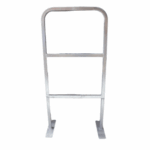
1. Use A-Frame Shorers for height changes
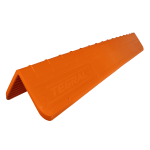
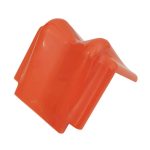
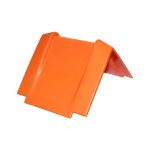
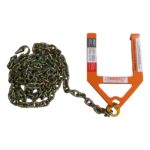
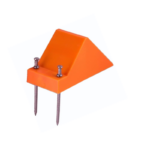
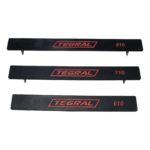
A-Frame Shorers act as a solid side wall for tall pallets that would otherwise be unsupported.
They:
- Prevent tipping into shorter pallets
- Stabilise tall freight during cornering
- Reduce the number of claims from “mixed load collapse”
- Are ideal for delivery runs with multiple pallet heights
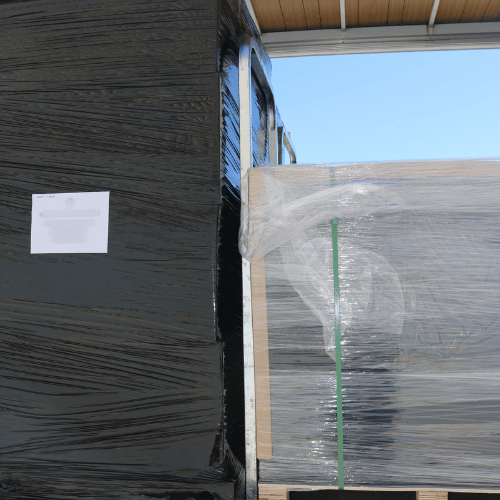
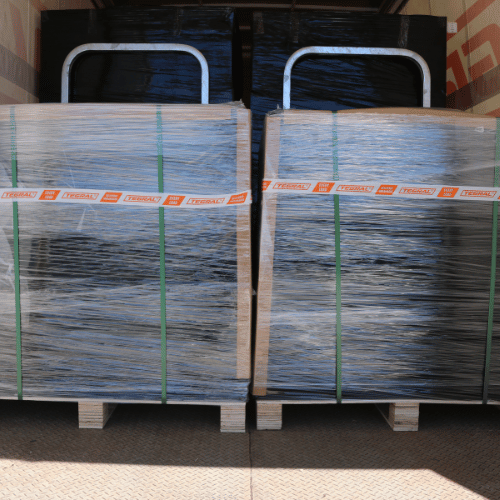
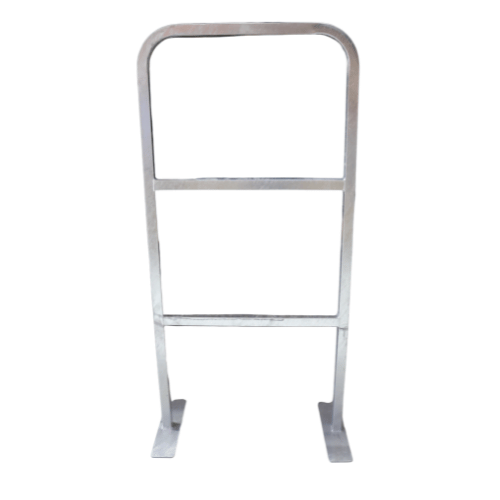
2. Fill the gap — never leave space beside tall freight
You can use:
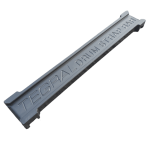
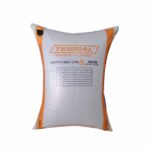
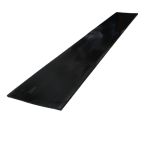
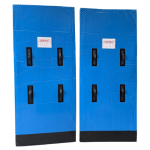
- Pallet Armour
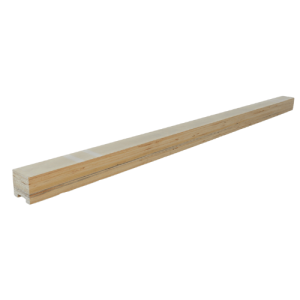
- Dunnage
- Load spacers
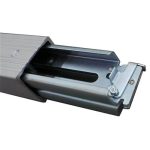
- Shoring bars
- Second pallets or folded cartons
A filled gap dramatically reduces tipping potential.


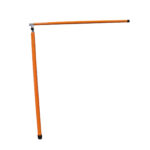
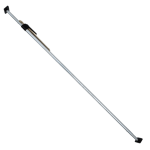
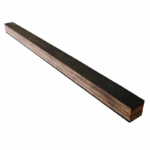
3. Use shoring bars to create rigid blocking
Side-to-side blocking stops tall pallets from leaning during cornering.
Mechanical blocking is one of the most effective forms of load restraint, especially for high centre-of-gravity pallets.
4. Load in height order where possible
If operationally feasible, group similar heights together.
If you must load in drop order, use:
- A-Frame Shorers
- Shoring bars
- Pallet Armour
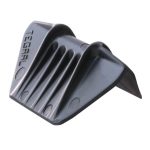
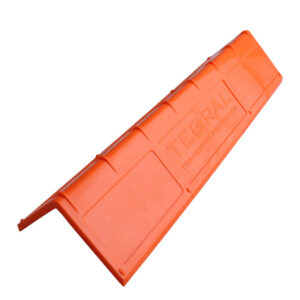
- Angles
- Dunnage
Anything that removes gaps or provides side support.
5. Stabilise tall, flexible, or top-heavy freight
Some freight types need extra care, including:
- Beverage pallets
- Bulker bags
- Whitegoods
- Bagged products
- Stacked cartons
- Foam or lightweight goods
- Half-empty pallets
These are especially vulnerable when placed beside lower pallets.
Why Fixing Height Variations Saves Fleets Money
- Fewer collapsed pallets = fewer damaged goods
- Less risk of injury when unloading
- Less strain on straps and restraint equipment
- Fewer insurance claims
- Faster unloading (no leaning or damaged pallets)
- More stable ride for drivers
- Lower rollover risk for high-CG loads
Fleet managers who actively manage height variation issues often see a significant reduction in freight damage claims.
Height variation is one of the easiest, and most frequently overlooked, causes of load shift.
By stabilising tall pallets, filling gaps, and using proper blocking equipment, fleets can virtually eliminate the risk of a tall pallet toppling onto a shorter one during transport.
If you want, I can also make a social post, email blast, or LinkedIn carousel based on this blog.
You May Also Be Interested In
Why UV-Stabilised Load Restraint Gear Matters
Six New Heavy Vehicle Rest Areas Announced for NSW & WA
Steel Transport: What Gear You Need When Starting Out
Fragile Transport – Glass, Panels and Fragile Freight: Load Restraint Without Damage
Check Out Our You Tube Channel
Products

Ratchet Strap Thrower
PVC A-Trailer Tarp
$3,200.00 ex GST
PVC Rigid Truck Tarp
$2,900.00 ex GST
Tarp Rope – 3.3m


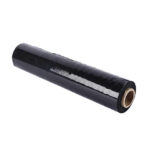
Hand Pallet Wrap – Black
$19.00 - $29.00$19.00 - $29.00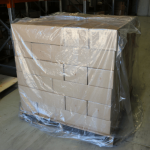
LDPE Pallet Bags 1900mm x 25um
Ecoflute – Recycled Corflute Truck Boards 4mm x 1420mm x 1090mm

Ratchet Buckle 50mm x 2500kg
Original price was: $10.00.$9.00Current price is: $9.00. ex GST
Truck Safety Pole Bracket
$8.65 ex GST