





























































Glass, Panels and Fragile Freight: Load Restraint Without Damage
When you’re hauling glazed panels, sheet glass or other fragile freight, your biggest concern isn’t just “will it stay on the truck?”, it’s “will it arrive unmarked, unscratched and safe to deliver?” In other words, the stakes are double: load restraint for safety and protection for value.
In this article we’ll walk you through what the Load Restraint Guide (LRG) says about fragile freight, and then take a practical look at three critical touchpoints: cushioning & isolation, strap/edge protection, and load layout/containment.
Why the LRG matters for fragile goods
The LRG emphasises that “a well-designed load restraint system will keep the load stable and secure for the entire journey.” (NHVR 2025) What this means for glass and panels is you must consider not only large-scale forces (braking, cornering, etc) but also micro-movement, vibration and contact damage.
In particular, the LRG (and commentary around it) highlight that you must assess:
- the load’s mass, dimensions, centre of gravity and how fragile or crushable it is.
- the friction between the load and deck / interface surfaces. Low friction means more reliance on blocking or padding.
- gaps, internal movement, containment, and edge/face protection. For many fragile loads, the risk of damage from sliding and shifting is as large as the risk of falling off.
In short: for glass/panels you need to think restraint + protection.
Cushioning & Load Isolation: Protecting the goods from inside out
When your load is fragile, you want to minimise direct strap pressure, contact with rough surfaces, and inter-panel contact. Here are some techniques:
- Use friction-matting or dunnage under the panels. The LRG lists friction matting as a key element of restraint systems. For panels, a high-friction pad can prevent shifting and reduce vibration, which in turn lowers risk of edges chipping.
- Insert soft padding or edge protectors between fragile surfaces. When glass sheets are stacked, or panels are placed side by side, even small relative movement can cause scratching or breakage. Padding (foam strips, rubbers, felt) or specialised edge protectors isolate contact points.
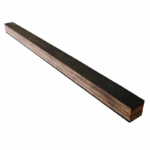
- Isolate the load from the deck, walls or other freight. Avoid direct metal to glass contact. A short timber battens or rubberised strips can create a buffer. That means when the vehicle vibrates or encounters minor bumps, the fragile load absorbs less of the energy.
- Block and support the load firmly. Glass and panels often benefit from being “contained” rather than just strapped down. Use headboards, bulkheads, side-bracing or brackets that prevent tipping or leaning, the LRG refers to “containment, blocking or attaching” as valid methods. National Transport Commission
By doing these things you protect your freight and you reduce the chance of having to over-strap (which can itself damage the load).
Strap Guards & Edge Protection: When restraint meets safeguard
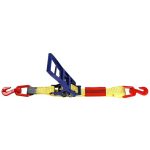
Straps and tie-downs are the backbone of load restraint, but on fragile loads they must be managed carefully:
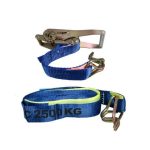
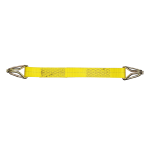
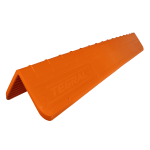
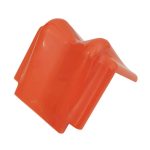
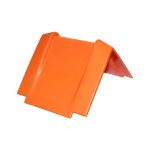
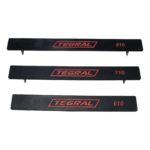
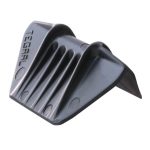
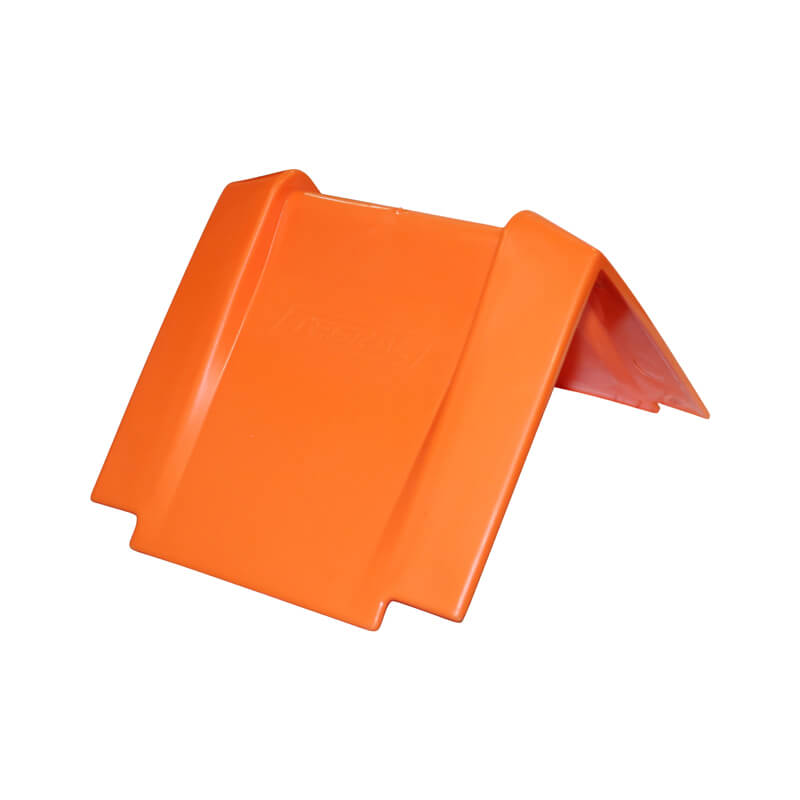
- High-visibility strap guards or corners: When a strap tightens across a panel edge, it can dig in, cause stress points or chafe the surface over time. Using strap guards or plastic edge-protectors ensures the webbing doesn’t bite into the load.
These types of protection devices are easy add-ons that make a big difference for fiberglass, glass panes, coated metals or composite panels.
- Achieve correct tension – not too loose, not too tight: Over-tightening could warp frame members or stress the glass; under-tightening allows movement, vibration and contact. The LRG warns that lashings can lose tension during transit.
- Anchor points and strap angles matter: When straps are crudely angled or anchored poorly, they can pinch the fragile freight. Establish anchor points that route the strap over padded surfaces or through strap guards, and ensure the angle doesn’t expose the load to undue localised pressure.
- Protect edges and faces from incidental contact: Aside from strap pressure, edges of glass or panels can be chipped by other freight, tie-down systems, or even deck irregularities. Use corner protectors, rubber blocks or dedicated beams to shield the freight.
In many ways, the strap system is your “final line” of protection for a fragile load, but if you do the internal cushioning and layout well, the straps do less “work”, and that means less risk of damage.
Load Layout & Containment: The foundation of safe freigh
Even the best straps won’t save a poorly laid-out load. For panels and glass, consider:
- Vertical vs horizontal orientation: Many glass panels are best carried vertically in racks or A-frames, to reduce surface pressure and risk of breakage. Horizontal stacks increase risk of bending or cracking under load.
- Even weight distribution and minimal gaps: Gaps between panels or between the load and trailer walls allow movement. The LRG emphasises that unused space should be filled or blocked. Use foam pads, timber dunnage or fiberglass spacers to fill voids.
- Use rated racks or cradle systems: For larger or heavier glass panels, load support systems with rated holding points provide containment and reduce reliance solely on straps.
- Prevent exposure to movement and vibration: Choose trailers and routes that minimise load vibration (smooth highways, fewer stop/starts). Consider isolators or rubberised deck pads underneath the load.
- Check deck and surfaces are smooth & clean: Dirt, grit or rough decking underneath glass can scratch or damage surfaces in transit.
- Inspection at loading and unloading: One of the best damage-prevention steps is a quick inspection immediately after loading (panels upright? padding intact? straps routed correctly?) and again on arrival. Documenting condition helps trace any damage claims back to transport.
Practical checklist for loading fragile freight
Before the run, walk through this quick checklist:
- Load orientation appropriate for glass/panels.
- Friction mat or deck padding installed under load.
- Edge protectors or strap guards positioned.
- Straps routed over padded surfaces, at correct angles, tensioned appropriately.
- Gaps blocked or filled.
- Load supported by brackets or racks as needed.
- Anchor points rated and accessible.
- Deck cleaned, free of grit.
- Driver or loader briefed on inspection points and stop-enroute check.
Why this matters for your operations
Damage to fragile freight doesn’t simply cost replacement or repair, it erodes client trust, increases downtime, influences insurance claims and even regulator attention. According to commentary on the LRG update, the 2025 version includes more worked examples and clearer layouts to help operators understand how to protect loads, including fragile goods. By adopting cushioning, strap guards and smart layout now, your business can:
- Reduce freight-damage claims.
- Improve client satisfaction and reputation.
- Demonstrate robust restraint systems for audit or compliance purposes.
- Differentiate your service offering for high-value, fragile freight markets (glass, solar panels, architectural panels).
Final word
Transporting glass, panels and other fragile freight demands a bespoke mindset. It’s not just about meeting regulation, it’s about mitigating risk at every step: from selecting the right deck and padding, to choosing the right strap routing and guard, to ensuring your layout prevents micro-movement and vibration damage.
By aligning your processes with the principles in the Load Restraint Guide and layering in cushioning, strap guards and good load layout, you protect both your freight and your reputation. In a competitive freight market, that attention to detail becomes a selling point, not just a cost centre.
You May Also Be Interested In
Trailer Types & Trailer Bodies in Australian Trucking
How to Check If Your Load Restraint Setup Is Compliant
How To Reduce Tampering and Cargo Theft: Plastic Strip Seals
Lashing Capacity vs Working Load Limit: Understanding the Numbers on Your Equipment Tags
Check Out Our Youtube Channel
Products

Ratchet Strap Thrower
PVC A-Trailer Tarp
$3,200.00 ex GST
PVC Rigid Truck Tarp
$2,900.00 ex GST
Tarp Rope – 3.3m

Hand Pallet Wrap – Black
$19.00 - $29.00$19.00 - $29.00
LDPE Pallet Bags 1900mm x 25um
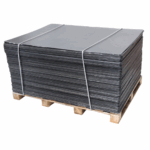
Ecoflute – 4mm Recycled Corflute Boards

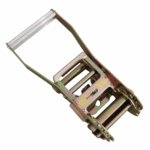
Ratchet Buckle 50mm x 2500kg
Original price was: $10.00.$9.00Current price is: $9.00. ex GST
Truck Safety Pole Bracket
$8.65 ex GST