













































































































Australia has unveiled its National Road Transport Technology Strategy and 2024–27 Action Plan, setting a clear direction for safer, smarter, and more sustainable transport. The initiative focuses on using automation, data, and connectivity to modernise how people and goods move across the country.
Replacing the previous 2020–23 framework, the strategy unites governments and industry under a national vision for connected and automated transport. It aims to ensure new vehicle technologies, infrastructure, and systems can communicate seamlessly across states, improving safety and efficiency.
By 2031, around 93% of new passenger vehicles are expected to feature mobile connectivity, while automated vehicles could account for up to 2% of new sales. The plan includes a national automated vehicle safety law, data-sharing standards, and measures to strengthen cybersecurity and workforce readiness.
Infrastructure and Transport Minister Catherine King said the strategy will help keep Australia’s laws and systems in step with rapid innovation. “As vehicle technology progresses, it’s important we keep our frameworks up to date to keep Australians safe,” she said.
The plan is built on nine guiding principles focused on safety, sustainability, interoperability, and user design. It supports the rollout of Cooperative Intelligent Transport Systems (C-ITS), enabling vehicles and road networks to communicate in real time.
National priorities include creating a consistent regulatory framework, improving data sharing, addressing cybersecurity and accessibility, and assessing future infrastructure and workforce needs.
According to modelling, connected and automated vehicles could add $13 billion to the Australian economy by 2050 through fewer crashes, lower fuel use, and smoother traffic flow.
The strategy also links technology adoption with environmental goals. Smarter systems like adaptive cruise control and predictive traffic management can reduce emissions while improving road efficiency.
With governments, researchers, and industry working together, the National Road Transport Technology Strategy sets the foundation for a connected, automated, and inclusive transport future for Australia.
Products


1050mm Pallet Angle – White
Original price was: $14.35.$10.00Current price is: $10.00. ex GST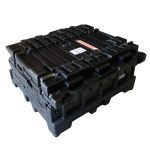
Dangerous Goods Segregation Box – Type II
$3,720.40 ex GST
Mini Container Bolt Seal (Domestic Use)
$0.66 ex GST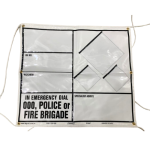
Sub Class Dangerous Goods Banner (EIP)
$120.00 ex GST

1m x 8mm Maxibinder
$120.00 ex GST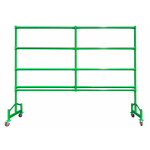
Portable Truck Fall Protection Barrier

Ratchet Strap Thrower
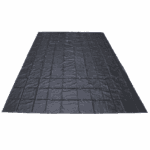
PVC A-Trailer Tarp
$3,200.00 ex GST
PVC Rigid Truck Tarp