



































































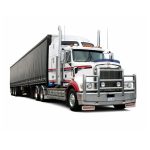
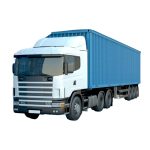


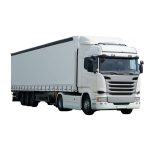

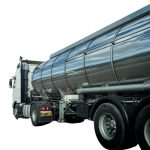
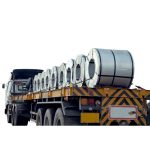
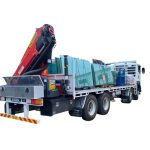
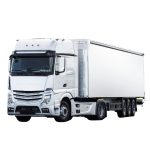


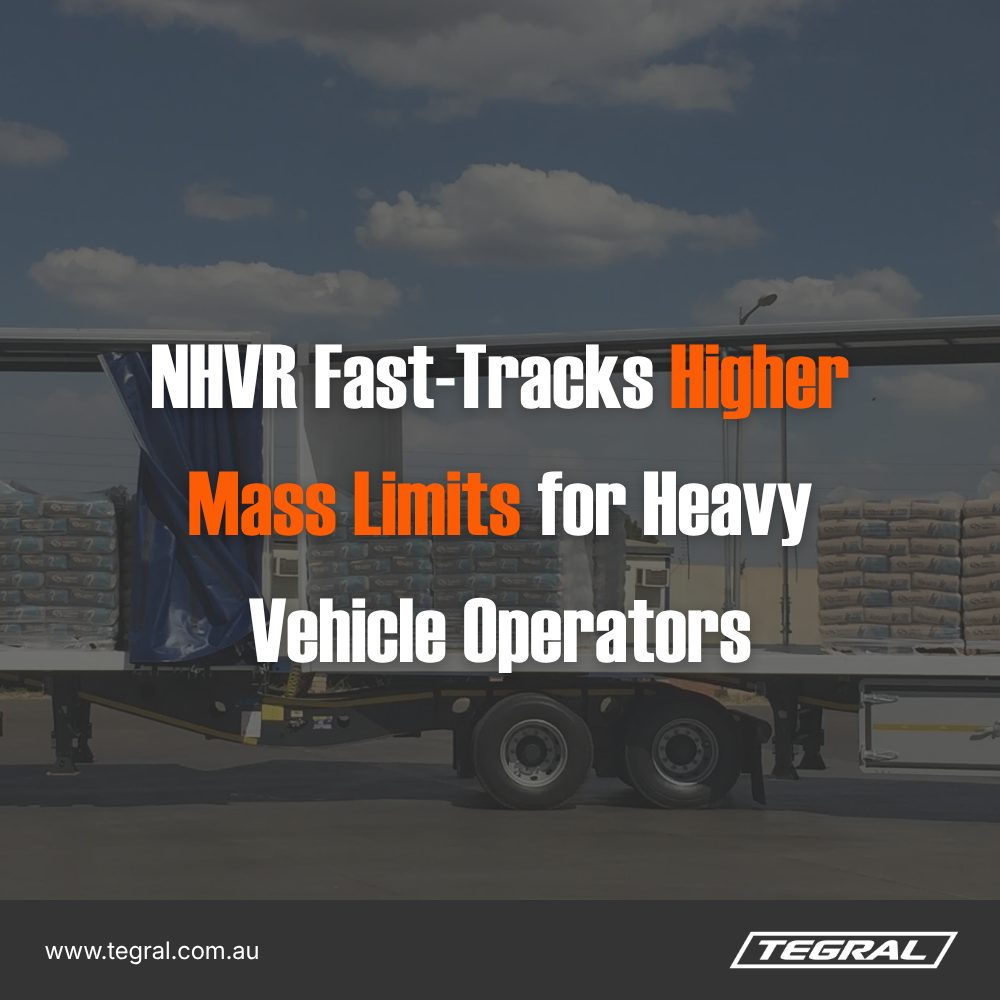
The NHVR is fast-tracking higher mass limits for heavy vehicles, letting operators carry more without extra compliance hoops, and it could arrive as soon as May 2026.
Australia’s freight sector has faced no shortage of headwinds in recent years. Supply chain pressures, rising costs, and surging demand have left operators searching for any efficiency edge they can find. Now, a regulatory change from the National Heavy Vehicle Regulator (NHVR) is set to deliver meaningful relief.
The NHVR is developing a national notice that effectively elevates current Concessional Mass Limits (CML) to the new standard for general access, replacing the existing General Mass Limits (GML) for most operators on the network.
What’s actually changing?
In plain terms: trucks will be permitted to carry more weight without requiring special permits or Mass Management accreditation. The new limits are structured around combination weight:
+1t for combinations below 55 tonnes
+2t for combinations above 55 tonnes
17t new tandem axle limit (dual tyres)
21t new tri-axle limit (dual tyres)
The changes also remove the one-tonne tri-axle mass transfer allowance, and critically, eliminate the requirement to hold Mass Management accreditation to access these limits under general access conditions.
“Simply put, this means many operators will be able to carry more without the need for additional requirements such as holding Mass Management accreditation.” — Steven Miller, NHVR Director of Service Delivery
Why now?
These changes were always on the horizon, they’re tied to upcoming amendments to the Heavy Vehicle National Law (HVNL), expected to commence mid-year. But rather than wait, the NHVR has chosen to bring them forward via a national notice mechanism, responding directly to the acute pressures currently felt across the supply chain.
The notice has been developed collaboratively with state road agencies and local governments, ensuring a coordinated rollout that balances improved productivity with infrastructure protection. Subject to road manager consent, the notice is expected to be available in May 2026.
Who does it apply to?
The changes apply broadly to general access operators. There are, however, two notable carve-outs: bus axle group limits remain unchanged at current CML settings, and operators of PBS (Performance-Based Standards) vehicles must continue to comply with the mass limits specified in their individual PBS Vehicle Approvals.
Operators should also be aware that certain notices and permit-based schemes will still require Mass Management accreditation even after these changes take effect.
What this means in practice
For many fleet operators, this is a straightforward productivity gain. More payload per trip means fewer trips, lower fuel costs per tonne moved, and less administrative overhead managing accreditation compliance. In a freight environment where margins are thin and demand is relentless, those efficiencies matter.
The NHVR has published supporting fact sheets on its website and is continuing to work with local government authorities to manage any infrastructure-specific impacts through local conditions or restrictions where needed.
You May Also Be Interested In
Restraining Precast Concrete Panels and Beams
Zero-Interest Loans Open for Trucking Operators Hit by Fuel Crisis
HVNL Reform 2026: The Complete Guide to What Is Changing and How to Prepare
Check Out Our YouTube Channel
Products
Dangerous Goods Labels – Limited Quantity Classes
$0.75 - $1.00$0.75 - $1.00
Shoring Bar Removal Tool – 370mm
Peaked Curved Angle
$15.00 ex GST
G70 Grab Hook 6mm – Clevis
$4.50 ex GST

Strap Launcher

Round Single Use Sling 1T x 1.5m
$8.50 ex GST
Dangerous Goods Segregation Box – Type II
$3,720.40 ex GST
Mini Container Bolt Seal (Domestic Use)
$0.66 ex GST
Sub Class Dangerous Goods Banner (EIP)
$120.00 ex GST
Portable Truck Fall Protection Barrier